
Some people may think that hoverboards and electric scooters are just trendy riding toys for teens and kids who love outdoor recreation and zipping around the neighborhood. But in reality, these devices act as an economical, healthy, and environmentally friendly mode of transportation, especially in terms of commuting and going around town.
If you’ve been wanting to get your hands on an electric scooter or a hoverboard, check out these amazing Black Friday deals from Amazon. Both the Segway Ninebot Max and the Ninebot S are enjoying discounts at the moment, reaching up to $149 off their retail prices.
Segway Ninebot Max Folding Electric Kick Scooter – $650, was $799
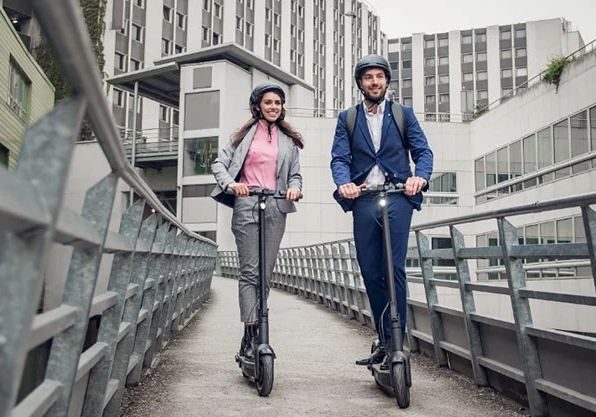
The Segway Max is an ideal alternative for short distance travels or daily commutes. Significant improvements have made it more powerful than ever, including durability upgrades and IP7 water resistance on the core parts. Its mobility capabilities include a maximum speed of 15.5 mph, up to 40 miles of range (the longest on the market), and a 15-degree uphill climbing angle. It also has an electrical and mechanical anti-lock braking system for safety improvement, as well as front and rear wheel shock absorbers equipped with self-healing solid tires for comfort even on speed bumps and rough surfaces.
With a built-in charger, this Segway e-scooter allows you to always be on the go. It also has a one-step folding system for convenient storage and portability. Other superior technology embedded in the device includes Bluetooth, LED display, riding modes, and app connectivity.
Don’t pass up the chance to score the Segway Ninebot Max at a $149 discount. As part of the Black Friday sale, this folding electric kick scooter can be yours for only $650.
Segway Ninebot S Smart Self-Balancing Electric Transporter – $380, was $489
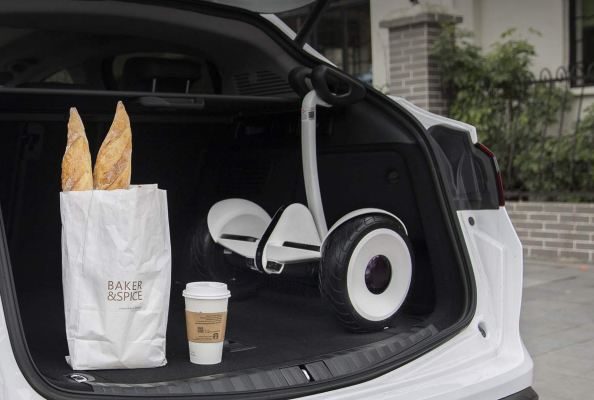
Go places in style with the Segway Ninebot S. Designed for practical transportation and entertainment mobility, it will get you to your destination all while giving you an enjoyable riding experience. A tutorial from the Segway-Ninebot app provides an easy-to-understand step-by-step training, combined with a limited maximum speed of 4.3 mph until you complete the tutorial.
Run by powerful dual 400W motors, the Ninebot S has the capacity to reach a maximum speed of 10 mph. It can also run up to 13.7 miles and climb up to a maximum slope of 15 degrees on a full charge. A smart battery management system will provide real-time reports on the current status, voltage, temperature, and usage, as well as queries and tracking of the battery’s potential faults, resulting in improved riding safety and comfort.
The Segway Ninebot S is built with a durable aircraft-grade magnesium alloy frame, making it light in weight but strong in quality. This also equips the hoverboard with high elasticity, heat dissipation, shock absorption, and corrosion resistance. It has a knee control bar as well for added support but can be quickly detached to fit into small spaces. Other features include anti-skid tires, adjustable LED lights, and intelligent app management.
Normally selling for $489, this Segway self-balancing electric transporter can be yours for only $380. Order now on Amazon while the deal is live.
Looking for more savings? Head over to our curated deals page for other exciting discounts on premium tech, or check out our compilation of Black Friday gaming deals and outdoor gear discounts.


