1. Home
  2. Emerging Tech
  3. News

SpaceX plans ocean landing attempt following February 24 launch

Add as a preferred source on Google

SpaceX will make its next launch attempt and possible ocean landing on February 24 when it is slated to deploy an SES-9 satellite into orbit. The projected launch was announced by Luxembourg-based satellite operator SES, which is using the deployment to expand its satellite network. SES did not provide a window for launch, reports Ars Technica, but the company did confirm February 25 as a backup date if the weather on February 24 is not favorable.

During the mission, the SpaceX rocket is expected to expand all its available fuel, forcing the rocket to attempt another sea-barge landing instead of returning to its Florida landing site. As part of its return flight, the rocket will land on an autonomous drone ship approximately the size of a football field. The enormous ship can remain stable in rough waters, holding its position within three meters despite the weather conditions. Unlike last month’s Pacific landing, SpaceX plans to land the rocket in the waters off the east coast of the United States.

Recommended Videos
Elon Musk joins the Hyperloop frenzy as SpaceX moves forward with its own test track

The company has previously attempted to land on an ocean platform, but has yet to nail the return maneuver. The first two attempts resulted in a fiery mess, with the rockets collapsing and exploding immediately after touchdown. The third and most recent landing in January was a near success, but the landing failed at the end after the Falcon 9’s landing legs did not lock following a beautiful touchdown on the platform. “We stuck the landing, and then we unstuck it,” said SpaceX president and chief operating officer Gwynne Shotwell to attendees of a recent Federal Aviation Administration conference.

Despite these setbacks, the company remains committed to becoming the first company ever to complete a successful sea platform landing. If the firm manages this feat, sea landings would provide the company with greater flexibility when planning upcoming launch missions and landing attempts. Following this month’s launch, SpaceX also hopes to increase the frequency of its launches with the goal of sending rockets into orbit every few weeks for the rest of 2016. The company also plans to re-fly a booster rocket that successfully completed an earlier payload delivery mission.

Kelly Hodgkins
Kelly's been writing online for ten years, working at Gizmodo, TUAW, and BGR among others. Living near the White Mountains of…
Yet another study says AI is bad for elections, and the rabbit hole gets worse
AI may be an election bomb waiting for someone to light the fuse
Voters cast their ballots on Election Day

Another election, another study has concluded that asking an AI chatbot for political guidance is a spectacularly bad idea. Research conducted during Hungary’s 2026 parliamentary election found that ChatGPT and Google Gemini offered not just inaccurate but also inconsistent and unreliable voting advice. The chatbots misclassified voter profiles, overlooked relevant parties, recommended parties absent from the ballot, and sometimes produced materially different answers when given the same information repeatedly.

AI keeps failing the voter test

Read more
Samsung’s humanoid robot ambitions are real, but factories come first
Samsung’s new robotics division has humanoids in its sights, although its immediate business is far more practical factory automation
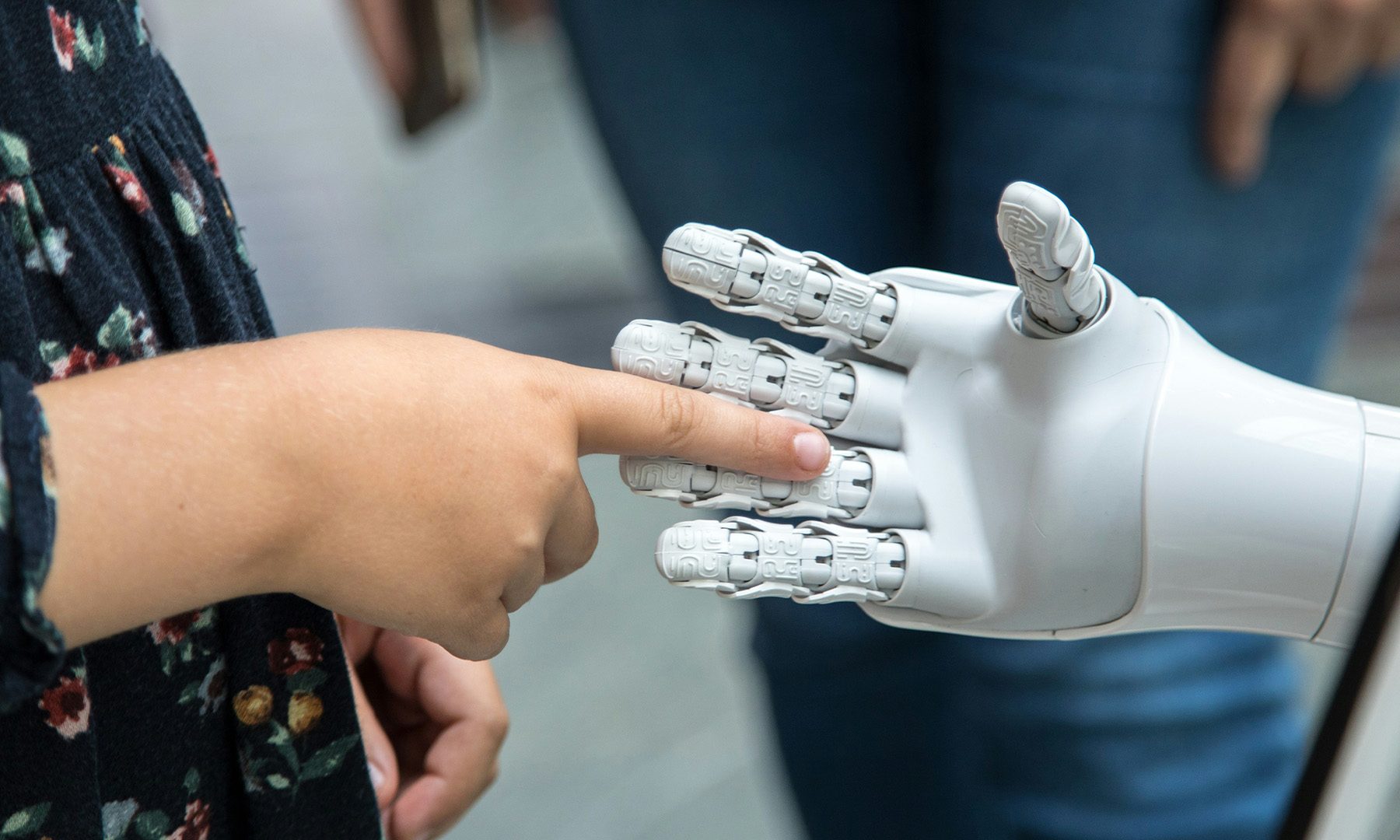
Robot Touch Human Finger

Samsung wants a place in the humanoid race, but its new robotics push begins with machines built for factories rather than homes.

The CEO-led RX robotics division will initially focus on manufacturing robots. Samsung has separately identified humanoids as a priority, although it hasn’t announced a commercial model or explained where one fits into the division’s immediate plans.

Read more
The future of AI may depend on this one behind-the-scenes change
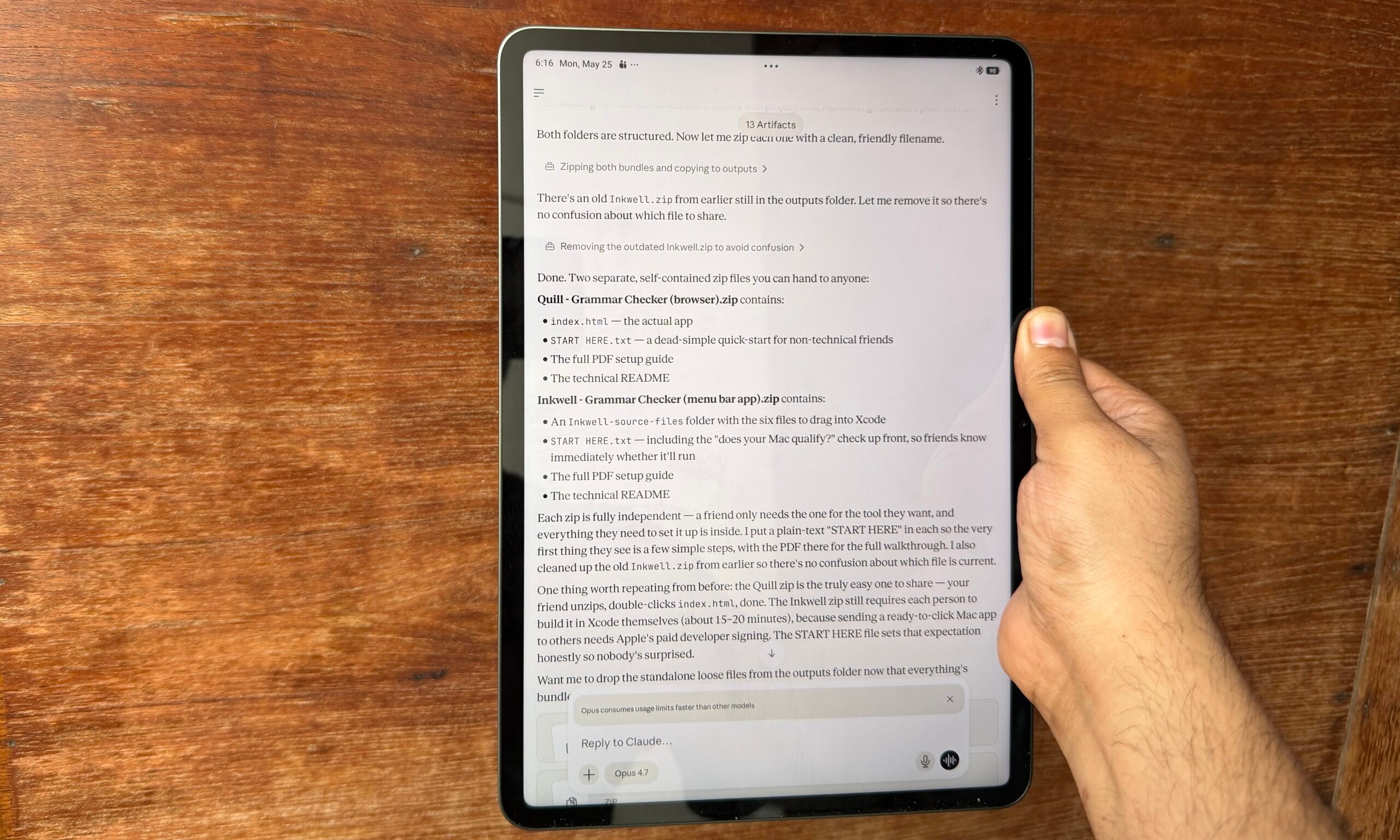
Running Claude on Android.

Whenever a new AI model arrives, it's easy to get caught up in the bells and whistles. We talk about how much smarter it is, how quickly it answers questions, or how realistic its images have become. But here's the thing: none of that matters much if the AI can't reliably work with the apps and services people use every day.

That's why an upcoming update to the Model Context Protocol (MCP) caught my attention. It isn't a new chatbot or a fancy AI model. In fact, most people will never even know it's happening. But it could quietly make the AI ecosystem a lot healthier. If you've never heard of MCP before, don't worry. Think of it as a shared language that lets AI assistants safely talk to apps like Gmail, Slack, calendars, databases, and countless other services. Instead of every company inventing its own way to make those connections, MCP gives everyone a common rulebook.

Read more