1. Home
  2. Emerging Tech
  3. News

SpaceX’s Dragon capsule for astronauts blazes through crucial hover test

Add as a preferred source on Google

With every test, with every launch, with every landing – and with every unfortunate fiery explosion – SpaceX is edging toward its dream of creating a space transportation system that drastically reduces the cost of missions and one day could even take it to Mars.

While all the recent attention has been on SpaceX’s Falcon 9 rocket and its landing technology, engineers have also been working hard on developing the latest version of its Dragon capsule.

Recommended Videos

The spacecraft, which is currently used to take supplies to the International Space Station, always returns to Earth with a splash, dropping into the ocean with its descent slowed by parachutes.

But SpaceX wants it to land on hard ground using thrusters, like it’s been trying with varying degrees of success with its Falcon 9 rocket. While such landings for the capsule would of course eliminate the need for salvage teams to head out to sea, it’s also crucially important if SpaceX has any hope of achieving its long-term aim of missions to Mars, a place where, the last time we looked, no oceans were sloshing around.

Offering a glimpse into its work, the space company this week released a video (above) of a recent test of the SuperDraco thrusters designed to bring the Dragon 2 capsule – the version designed for manned missions – gently back to the ground “with the accuracy of a helicopter.”

As the footage shows, the thrusters all fire up together to raise the spacecraft for a five-second hover, “generating approximately 33,000 lbs of thrust before returning the vehicle to its resting position,” SpaceX said in comments accompanying the video.

The tests, which are taking place at a SpaceX facility in McGregor, Texas, allow engineers to refine the spacecraft’s landing software and systems, NASA said. The first Dragon flights taking astronauts to the International Space Station could take place as early as next year, though for the time being the return trips to Earth are likely to still involve parachute landings in the sea.

Trevor Mogg
Contributing Editor
Not so many moons ago, Trevor moved from one tea-loving island nation that drives on the left (Britain) to another (Japan)…
Yet another study says AI is bad for elections, and the rabbit hole gets worse
AI may be an election bomb waiting for someone to light the fuse
Voters cast their ballots on Election Day

Another election, another study has concluded that asking an AI chatbot for political guidance is a spectacularly bad idea. Research conducted during Hungary’s 2026 parliamentary election found that ChatGPT and Google Gemini offered not just inaccurate but also inconsistent and unreliable voting advice. The chatbots misclassified voter profiles, overlooked relevant parties, recommended parties absent from the ballot, and sometimes produced materially different answers when given the same information repeatedly.

AI keeps failing the voter test

Read more
Samsung’s humanoid robot ambitions are real, but factories come first
Samsung’s new robotics division has humanoids in its sights, although its immediate business is far more practical factory automation
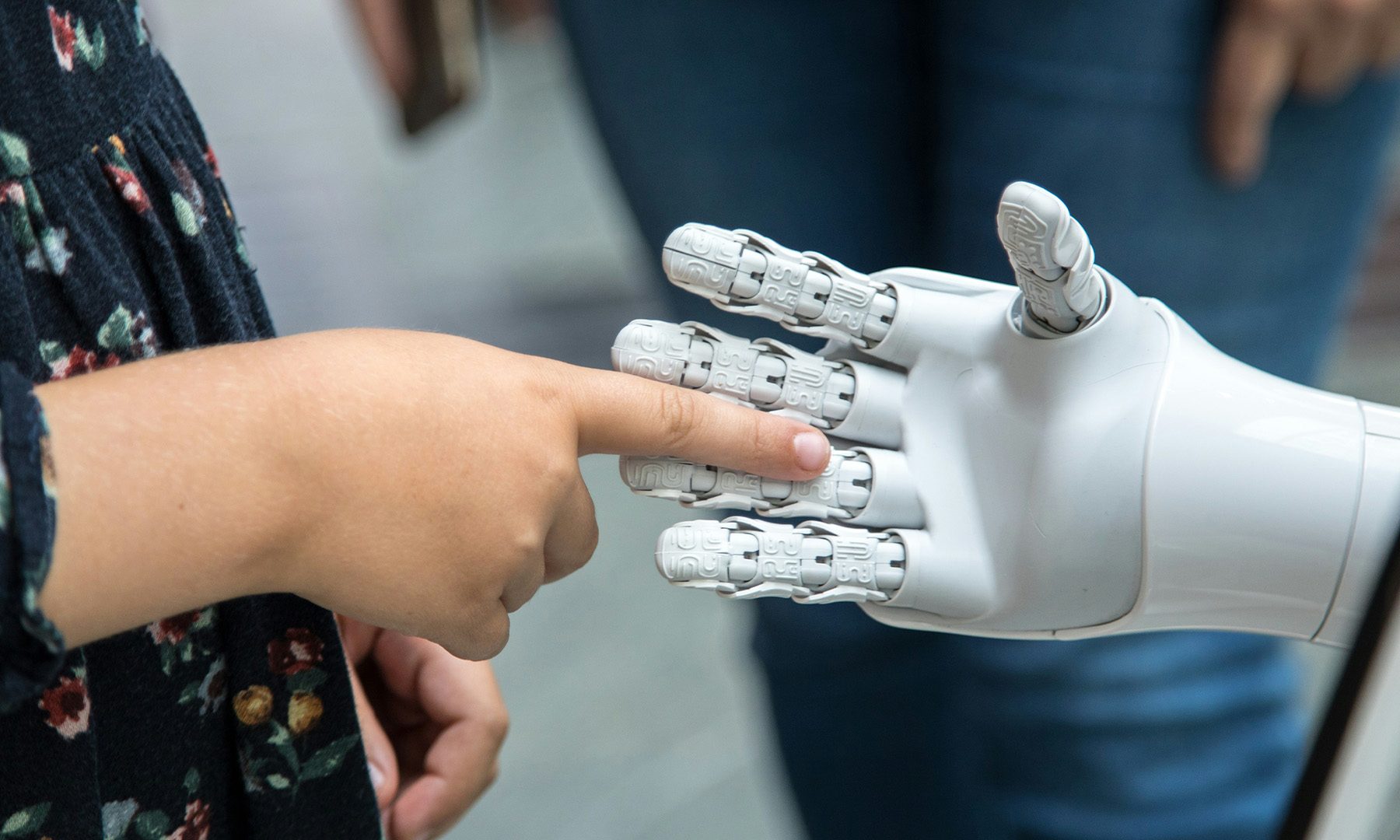
Robot Touch Human Finger

Samsung wants a place in the humanoid race, but its new robotics push begins with machines built for factories rather than homes.

The CEO-led RX robotics division will initially focus on manufacturing robots. Samsung has separately identified humanoids as a priority, although it hasn’t announced a commercial model or explained where one fits into the division’s immediate plans.

Read more
The future of AI may depend on this one behind-the-scenes change
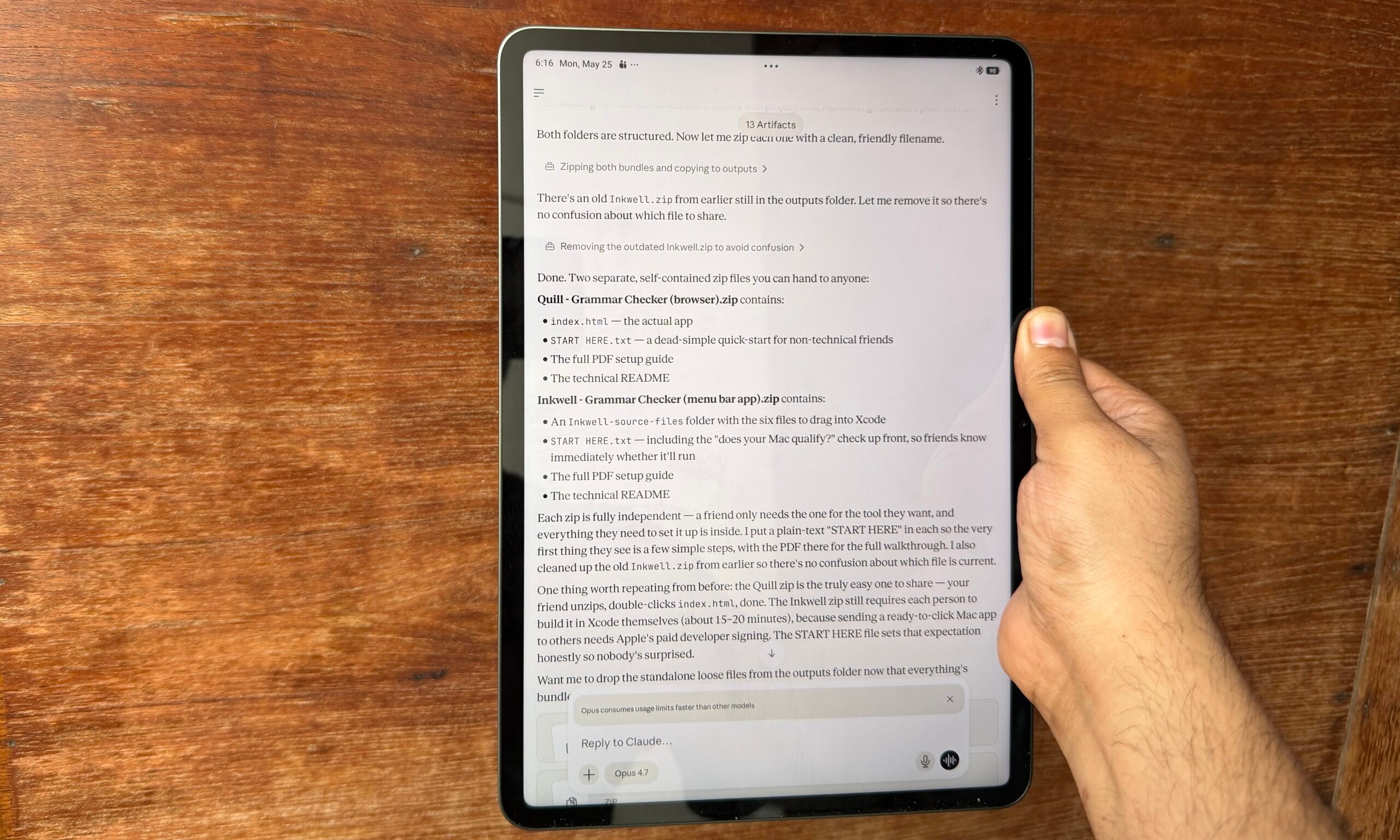
Running Claude on Android.

Whenever a new AI model arrives, it's easy to get caught up in the bells and whistles. We talk about how much smarter it is, how quickly it answers questions, or how realistic its images have become. But here's the thing: none of that matters much if the AI can't reliably work with the apps and services people use every day.

That's why an upcoming update to the Model Context Protocol (MCP) caught my attention. It isn't a new chatbot or a fancy AI model. In fact, most people will never even know it's happening. But it could quietly make the AI ecosystem a lot healthier. If you've never heard of MCP before, don't worry. Think of it as a shared language that lets AI assistants safely talk to apps like Gmail, Slack, calendars, databases, and countless other services. Instead of every company inventing its own way to make those connections, MCP gives everyone a common rulebook.

Read more