1. Home
  2. Emerging Tech
  3. News

It’s ‘harder to land on a ship,’ SpaceX CEO says after rocket explodes on touchdown

Add as a preferred source on Google

“Definitely harder to land on a ship.” So said SpaceX CEO Elon Musk after his Falcon 9 rocket crashed and burned in the company’s third attempt at landing it on a giant barge floating in the sea.

After successfully deploying NASA’s Jason-3 ocean-monitoring satellite on Sunday following a smooth launch from California’s Vandenberg Air Force Base, all eyes were on whether SpaceX could repeat last month’s flawless Falcon 9 touchdown on land.

Recommended Videos

The private space company broadcast the launch live on its YouTube channel, but as the Falcon 9 descended upon the barge floating 200 miles off the California coast, the video feed cut out. Minutes later, SpaceX reported that its rocket – an older version of the one used last month – had experienced a “hard landing,” which most observers took to mean only one thing.

Initially the company said the touchdown had been so hard it broke one of the Falcon 9’s four landing legs, causing the 69-meter-tall rocket to topple over and explode. However, Musk later clarified events, explaining the leg had failed to deploy in the seconds prior to landing, meaning that however gentle the touchdown, it was almost certain to come crashing down.

“Touchdown speed was ok but a leg lockout didn’t latch, so it tipped over after landing,” Musk tweeted.

In another message, he quipped that “at least the bits were bigger this time,” suggesting the landing was more controlled than last year’s two sea-landing efforts that also ended in sizable explosions following heavy landings on the barge’s deck.

Despite the setback, Musk said he felt “optimistic” about a future attempt at landing a SpaceX rocket in this way. Certainly, if today’s failed effort is confirmed to have been the result of a technical problem with one of the landing legs rather than an issue related to the challenge of coming down on a relatively unstable floating barge, then SpaceX should have a decent chance of nailing such a landing next time around.

The Falcon 9 project is part of SpaceX’s ambition to create a reusable rocket system to take space travel into a new era of affordability and efficiency. Having achieved the touchdown on land at the end of 2015, the team is confident of reaching its ultimate goal.


Trevor Mogg
Contributing Editor
Not so many moons ago, Trevor moved from one tea-loving island nation that drives on the left (Britain) to another (Japan)…
Yet another study says AI is bad for elections, and the rabbit hole gets worse
AI may be an election bomb waiting for someone to light the fuse
Voters cast their ballots on Election Day

Another election, another study has concluded that asking an AI chatbot for political guidance is a spectacularly bad idea. Research conducted during Hungary’s 2026 parliamentary election found that ChatGPT and Google Gemini offered not just inaccurate but also inconsistent and unreliable voting advice. The chatbots misclassified voter profiles, overlooked relevant parties, recommended parties absent from the ballot, and sometimes produced materially different answers when given the same information repeatedly.

AI keeps failing the voter test

Read more
Samsung’s humanoid robot ambitions are real, but factories come first
Samsung’s new robotics division has humanoids in its sights, although its immediate business is far more practical factory automation
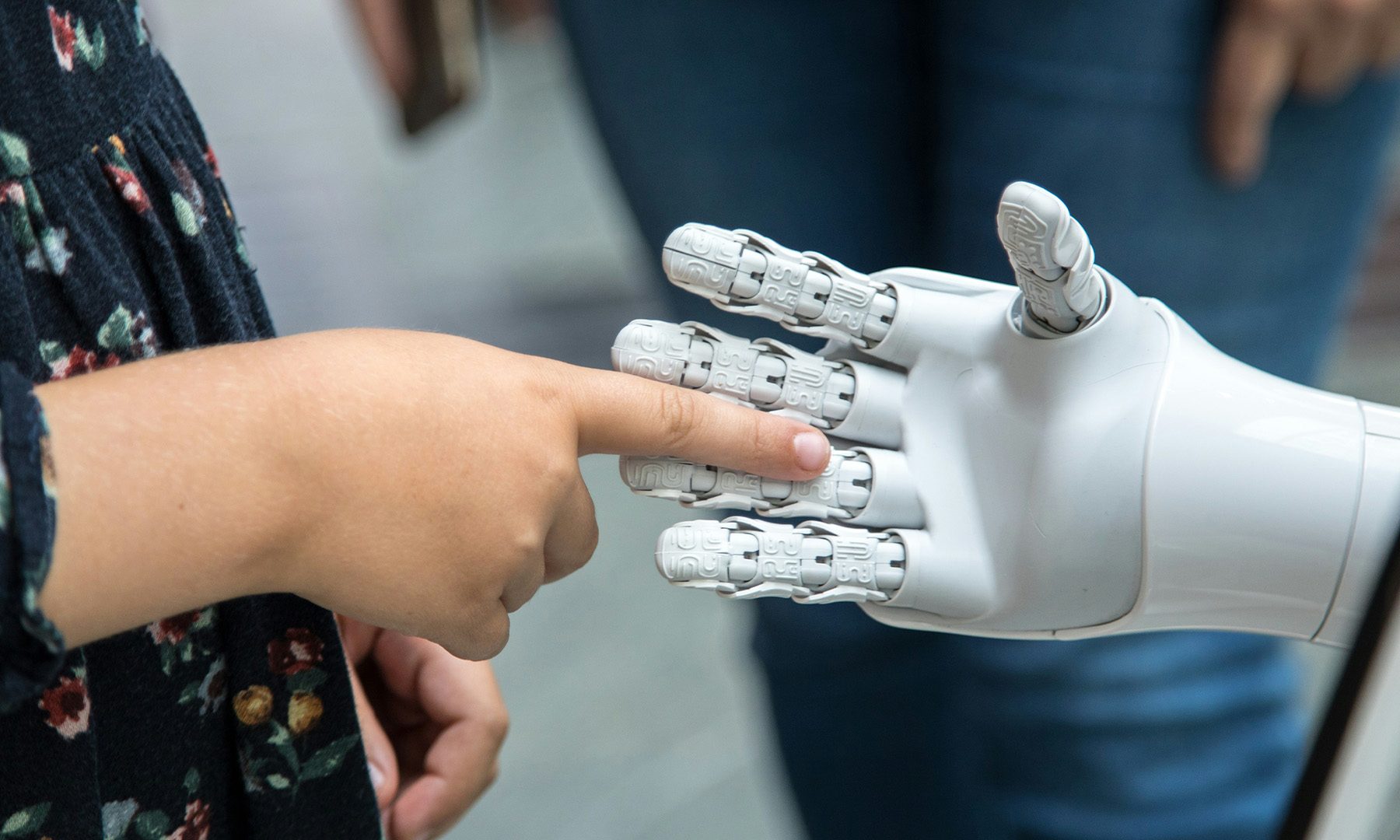
Robot Touch Human Finger

Samsung wants a place in the humanoid race, but its new robotics push begins with machines built for factories rather than homes.

The CEO-led RX robotics division will initially focus on manufacturing robots. Samsung has separately identified humanoids as a priority, although it hasn’t announced a commercial model or explained where one fits into the division’s immediate plans.

Read more
The future of AI may depend on this one behind-the-scenes change
Running Claude on Android.

Whenever a new AI model arrives, it's easy to get caught up in the bells and whistles. We talk about how much smarter it is, how quickly it answers questions, or how realistic its images have become. But here's the thing: none of that matters much if the AI can't reliably work with the apps and services people use every day.

That's why an upcoming update to the Model Context Protocol (MCP) caught my attention. It isn't a new chatbot or a fancy AI model. In fact, most people will never even know it's happening. But it could quietly make the AI ecosystem a lot healthier. If you've never heard of MCP before, don't worry. Think of it as a shared language that lets AI assistants safely talk to apps like Gmail, Slack, calendars, databases, and countless other services. Instead of every company inventing its own way to make those connections, MCP gives everyone a common rulebook.

Read more