1. Home
  2. Emerging Tech
  3. News

Swiss Post to test robots to deliver parcels, maybe even chocolate?

Add as a preferred source on Google

Press 1 for drone delivery, 2 for delivery by robot. Switzerland’s postal service is already testing mail delivery by drones. Starting in September, Swiss Post will begin trials with Starship Technologies‘ self-driving robots. The machines will be used to deliver parcels within a 5km (3.1 mile) radius, according to CNN Money.

The 6-wheel delivery robots will be hauling dummy packages during the first few months of the test, according to Claudia Pletscher, Swiss Post head of development programs and innovation. There is no plan to use the robots exclusively for ground deliveries. “We don’t believe in substituting the human being part,” said Pletscher.

Recommended Videos

The first objective is to measure pedestrian and customer reactions to the five robots in the initial testing. If the feedback is positive, then Swiss Post will decide about further deployment and use with real packages.

Customers will control the delivery system, which starts when placing an order. A customer that selects robot delivery also specifies a delivery time. For example, you might order a prescription from work, but want it delivered when you’re at home.

The robot is programmed to avoid or stop for pedestrians, animals, and vehicles en route. An onboard GPS location system guides the robot to its destination and allows the dispatch center to track its progress. When it shows up at a customer’s door, a preselected passcode unlocks the parcel compartment on the robot’s top surface.

The metallic mailman can operate day and night. LED lights alert pedestrians to its presence and forward motion lighting not only lets others see it moving, but also illuminates the space a short distance ahead so the robot’s cameras can detect obstacles.

Starship Technologies’ delivery robots are also being tested in Great Britain and Germany. Testing will start in Washington, D.C. later this fall.

The current Starship Technologies robot isn’t appropriate for all delivery sizes and types, but it could be perfect for automated delivery of prescriptions, late night cheesecake, or even an anniversary card you forgot to buy while you were out.


Bruce Brown
Bruce Brown Contributing Editor   As a Contributing Editor to the Auto teams at Digital Trends and TheManual.com, Bruce…
Yet another study says AI is bad for elections, and the rabbit hole gets worse
AI may be an election bomb waiting for someone to light the fuse
Voters cast their ballots on Election Day

Another election, another study has concluded that asking an AI chatbot for political guidance is a spectacularly bad idea. Research conducted during Hungary’s 2026 parliamentary election found that ChatGPT and Google Gemini offered not just inaccurate but also inconsistent and unreliable voting advice. The chatbots misclassified voter profiles, overlooked relevant parties, recommended parties absent from the ballot, and sometimes produced materially different answers when given the same information repeatedly.

AI keeps failing the voter test

Read more
Samsung’s humanoid robot ambitions are real, but factories come first
Samsung’s new robotics division has humanoids in its sights, although its immediate business is far more practical factory automation
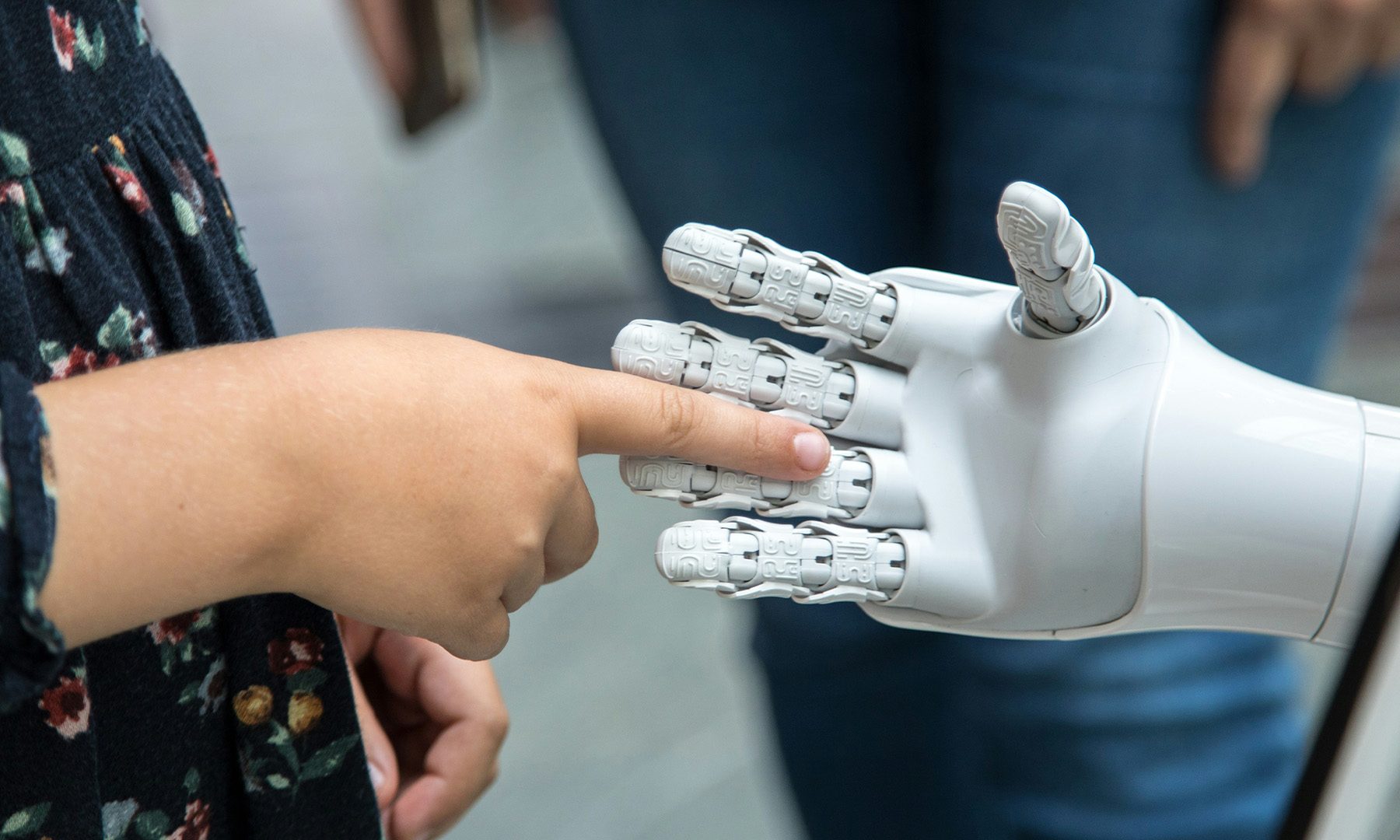
Robot Touch Human Finger

Samsung wants a place in the humanoid race, but its new robotics push begins with machines built for factories rather than homes.

The CEO-led RX robotics division will initially focus on manufacturing robots. Samsung has separately identified humanoids as a priority, although it hasn’t announced a commercial model or explained where one fits into the division’s immediate plans.

Read more
The future of AI may depend on this one behind-the-scenes change
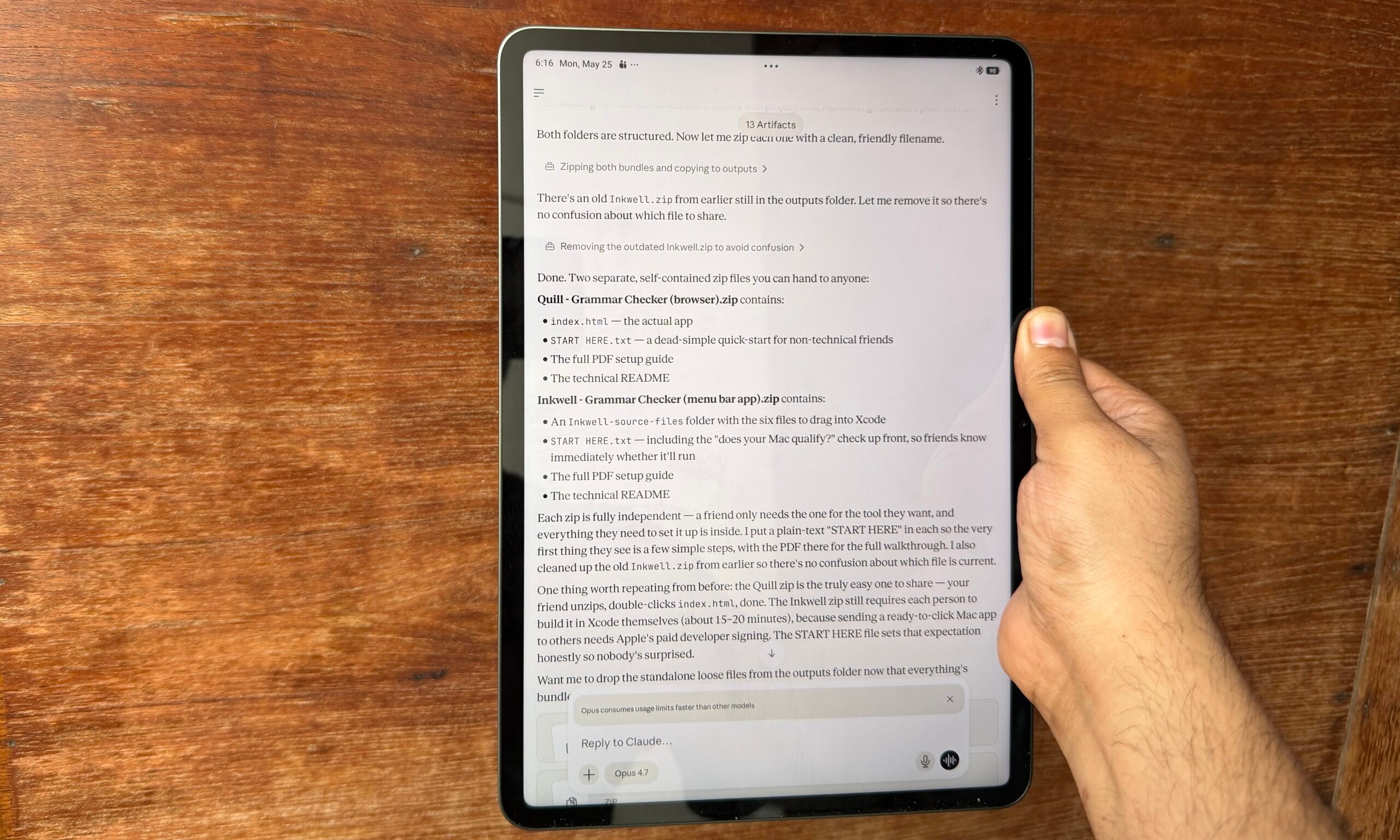
Running Claude on Android.

Whenever a new AI model arrives, it's easy to get caught up in the bells and whistles. We talk about how much smarter it is, how quickly it answers questions, or how realistic its images have become. But here's the thing: none of that matters much if the AI can't reliably work with the apps and services people use every day.

That's why an upcoming update to the Model Context Protocol (MCP) caught my attention. It isn't a new chatbot or a fancy AI model. In fact, most people will never even know it's happening. But it could quietly make the AI ecosystem a lot healthier. If you've never heard of MCP before, don't worry. Think of it as a shared language that lets AI assistants safely talk to apps like Gmail, Slack, calendars, databases, and countless other services. Instead of every company inventing its own way to make those connections, MCP gives everyone a common rulebook.

Read more