  1. Home
  2. Emerging Tech
  3. News

It’s a bird, it’s a plane! It’s a drone interrupting a monk’s sunbathing session on a wind turbine!

Add as a preferred source on Google

Ever at odds are our hopes for great technological innovation and our desires for privacy. Let’s face it — in the 21st century, anonymity is a difficult thing to truly achieve, and stealing away for some peace and quiet sometimes requires fairly drastic measures.

And for one Benedictine monk, Brother Joseph Byron, even the most seemingly secluded hiding spots from the world are no longer safe, thanks to drone technology. Despite climbing to the top of a 200-foot wind turbine in Rhode Island, the monk found his sunbathing session interrupted by a drone, which captured footage of him and his now not-so-secret happy place.

Dropping the Beat with Lil Jon | Bud Light #UpForWhatever

The drone pilot, Kevin Miller, was taking a vacation himself in the union’s smallest state, and thought he would take home footage of a giant wind turbine as a souvenir. But after flying the device to the top of the structure, he found a bit more than he bargained for — a monk sitting on top, attempting to take a nap. According to the Providence Journal, Brother Byron has frequented the turbine since it was first built in 2006 (you can climb up inside the turbine’s tower). “It is not scary; it is peaceful and the views of the bay are spectacular,” Byron told the Journal. “I am not afraid of heights.”

Recommended Videos

But what is a bit frightening is the apparent lack of solitude that has accosted 21st century America. “It was a little annoying,” Byron said. “It seems you cannot go anywhere to get away anymore.” As a result of this encounter, the monk says that he’s going to take a break from his formerly favorite relaxation spot.

Drone pilot Miller, on the other hand, was amused by the interaction, telling the Daily Mirror, “The guy must have been napping because he did not notice the drone for 5-10 seconds. At that point I decided to take a closer look by moving closer to say hi. Once I got closer I moved the drone side to side to say hello and he motioned back to the drone. It was a cool interaction between us.” Guess the two haven’t actually exchanged opinions quite yet on the incident.

So the next time you think you’re alone with your thoughts, be sure to look up. Is it a bird? Is it a plane? Or is it a drone coming to interrupt your meditation?

Lulu Chang
Fascinated by the effects of technology on human interaction, Lulu believes that if her parents can use your new app…
Robots can now ‘see’ touch thanks to a new color-changing tactile sensor
Researchers have developed a color-changing tactile sensor that turns pressure into visible information.
Robot Touch Human Finger

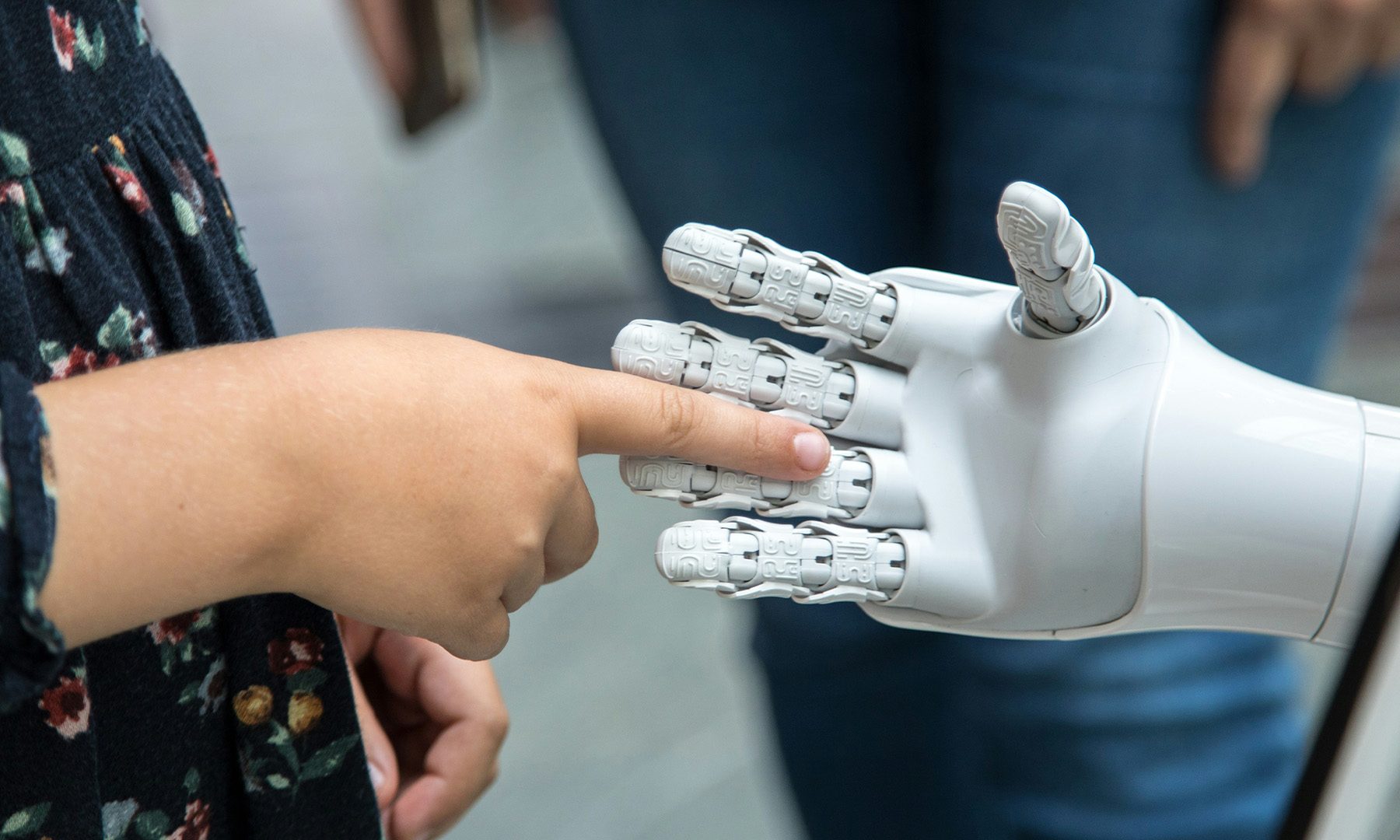
Most robots are pretty good at seeing, but touching? That's been a much tougher problem. While humans instinctively know how hard they're gripping a coffee mug or pressing a button, robots have traditionally relied on complex arrays of tiny sensors to estimate the same thing. Now, researchers at Queen Mary University of London believe they've found a much simpler solution: make touch visible.

A sensor that turns touch into color

Read more
Chrome is getting better at understanding the breaks and punctations you never say out loud
Voice typing in Chrome is about to feel much more natural
Google Chrome on Android Featured

Google is quietly making voice dictation in Chrome feel a lot more natural. With the latest Chrome 151 Beta, the company is introducing a new capability that allows the browser's speech recognition engine to automatically infer punctuation based on the way people speak, eliminating the need to explicitly say commands like "comma" or "full stop."

The update may sound minor at first glance, but it addresses one of the biggest frustrations with voice typing: speaking naturally often produces text that lacks punctuation unless users consciously dictate every punctuation mark. By teaching Chrome to understand pauses, rhythm, and speech patterns, Google is taking another step toward making conversations with computers feel more human.

Read more
Horror films play music to warn about danger. These headphones use the same trick to save you from robots
Spherephones replaces factory alarms with music that tells you what is coming and from where.
spherephones-georgia-tech

The ear has always processed what is coming before the eye does. In horror movies, the music always tells you something bad is coming. Now researchers at Georgia Tech are using the same idea in real life to keep factory workers safe around robots.

They have built a wearable headset called Spherephones that converts nearby robot movement into spatial music, giving you a warning before a machine gets too close. It helps the user stay aware without breaking their attention.

Read more