1. Home
  2. Emerging Tech
  3. Web
  4. Legacy Archives

World’s first inflatable concert hall debuts in Japan’s disaster area

Add as a preferred source on Google

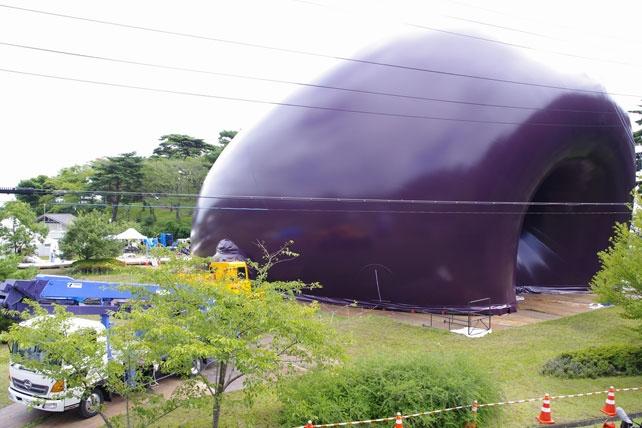
The world’s first inflatable concert hall is all set to debut this weekend, hosting a number of special events in northeastern Japan, the region devastated by 2011’s quake and tsunami.

The extraordinary purple and red structure, which can hold around 500 people, was the idea of Lucerne Festival’s artistic and executive director Michael Haefliger, who worked with British artist and sculptor Anish Kapoor and Japanese architect Arata Isozaki to make it a reality.

Recommended Videos

Comprising a coated polyester material, Ark Nova, which is 18 meters high and 35 meters wide, can be quickly deflated, allowing for easy transportation to other locations.

ark nova 4
Image used with permission by copyright holder

“The images of 11 March, 2011 have left their mark on all of us,” Haefliger told the Telegraph. “Since we at Lucerne Festival have maintained a very close relationship to Japan for many years, I felt a strong desire to make a contribution to overcoming the consequences of the catastrophe, within the scope of what we have to offer.”

The blow-up concert hall will host its first events this weekend in the town of Matsushima, Miyagi Prefecture, with concerts by the Sendai Philharmonic Orchestra, traditional kabuki performances and musical workshops for local children all planned.

Concert-goers will sit on bench seats made from cedar trees that following the tsunami had to be cleared from around nearby Zuiganji Temple. The wood was also used to make acoustic reflectors for inside the hall.

Kapoor said he was “honored” to have been asked to help create Ark Nova.

“The structure defines a space for community and for music in which color and form enclose,” the artist and sculptor said, adding, “I hope that the devastation can be overcome by creativity. Music can give solace and bring community together and in so doing can help us to see we are not alone.”

[Images: Anish Kapoor]

From this….

ark nova 1
Image used with permission by copyright holder

….to this.ark nova 2

Trevor Mogg
Contributing Editor
Not so many moons ago, Trevor moved from one tea-loving island nation that drives on the left (Britain) to another (Japan)…
Yet another study says AI is bad for elections, and the rabbit hole gets worse
AI may be an election bomb waiting for someone to light the fuse
Voters cast their ballots on Election Day

Another election, another study has concluded that asking an AI chatbot for political guidance is a spectacularly bad idea. Research conducted during Hungary’s 2026 parliamentary election found that ChatGPT and Google Gemini offered not just inaccurate but also inconsistent and unreliable voting advice. The chatbots misclassified voter profiles, overlooked relevant parties, recommended parties absent from the ballot, and sometimes produced materially different answers when given the same information repeatedly.

AI keeps failing the voter test

Read more
Samsung’s humanoid robot ambitions are real, but factories come first
Samsung’s new robotics division has humanoids in its sights, although its immediate business is far more practical factory automation
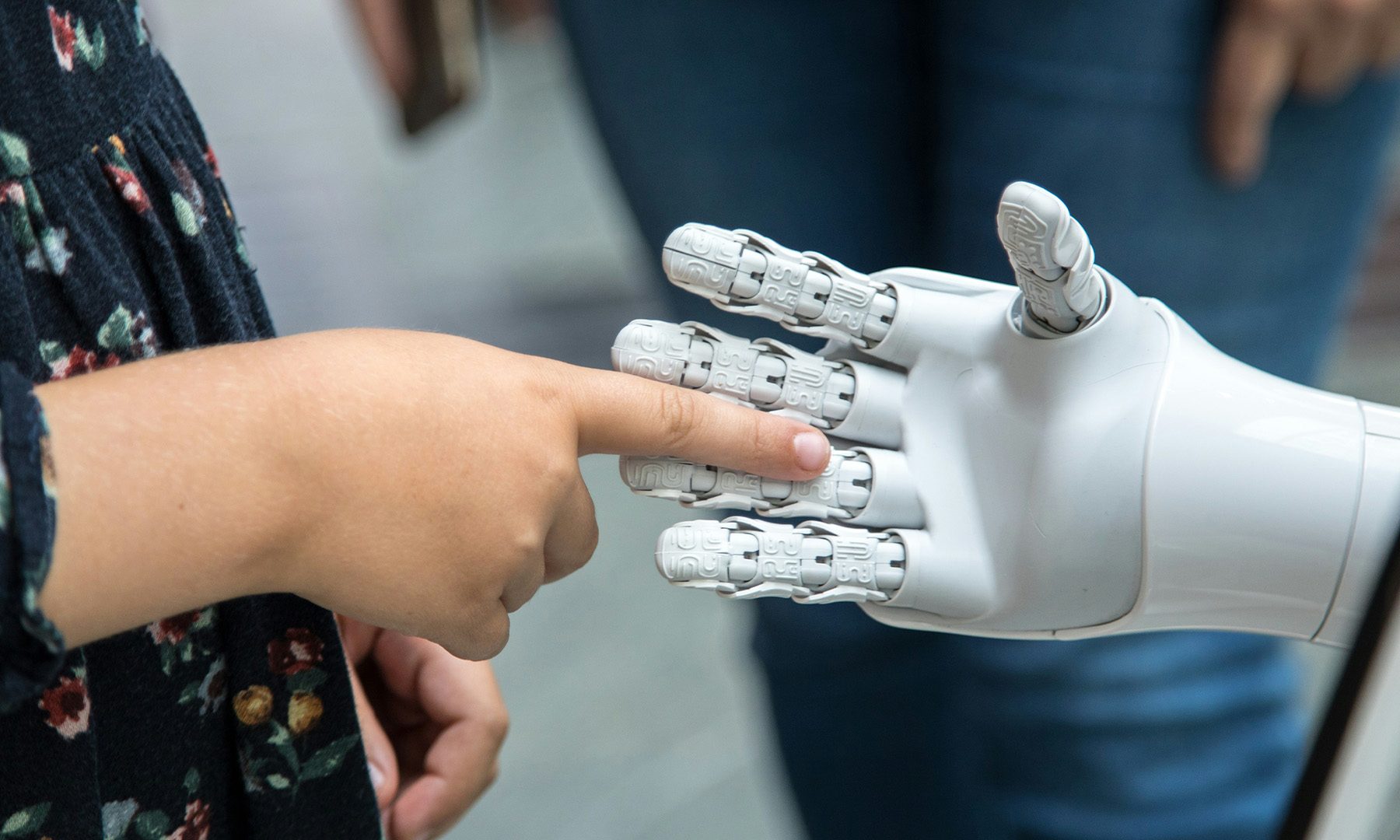
Robot Touch Human Finger

Samsung wants a place in the humanoid race, but its new robotics push begins with machines built for factories rather than homes.

The CEO-led RX robotics division will initially focus on manufacturing robots. Samsung has separately identified humanoids as a priority, although it hasn’t announced a commercial model or explained where one fits into the division’s immediate plans.

Read more
The future of AI may depend on this one behind-the-scenes change
Running Claude on Android.

Whenever a new AI model arrives, it's easy to get caught up in the bells and whistles. We talk about how much smarter it is, how quickly it answers questions, or how realistic its images have become. But here's the thing: none of that matters much if the AI can't reliably work with the apps and services people use every day.

That's why an upcoming update to the Model Context Protocol (MCP) caught my attention. It isn't a new chatbot or a fancy AI model. In fact, most people will never even know it's happening. But it could quietly make the AI ecosystem a lot healthier. If you've never heard of MCP before, don't worry. Think of it as a shared language that lets AI assistants safely talk to apps like Gmail, Slack, calendars, databases, and countless other services. Instead of every company inventing its own way to make those connections, MCP gives everyone a common rulebook.

Read more