1. Home
  2. Emerging Tech
  3. Legacy Archives

Amazon Kindle Gets Better Screen, Wi-Fi Only Edition

Add as a preferred source on Google

Amazon.com has unveiled a new version of its 6-inch EInk-based Kindle ereader, featuring a smaller body, a 15 percent brighter screen, improved screen contrast, and better performance with faster page turns. But if that weren’t enough, Amazon is also firing back in the price wars in the ereader market, announcing a WiFi-only version of the Kindle that will sell for just $139.
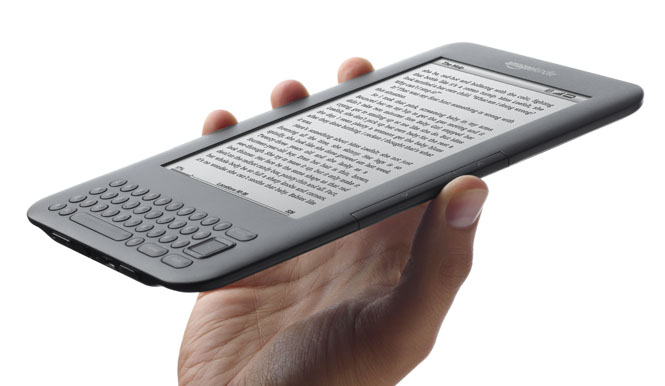
Image used with permission by copyright holder

“Readers are going to do a double take when they see Kindle’s bright new screen and feel how remarkably light the smaller 8.7 ounce design feels in one hand.” “If you don’t need the convenience of 3G wireless, we have an incredible new price point,” said Amazon founder and CEO Jeff Bezos, in a statement. “At this price point, many people are going to buy multiple units for the home and family.”

Recommended Videos

The new Kindles are available both the traditional white and a new graphite case option; Amazon says the new Kindles offer 50 percent better contrast to make text and images sharper—and that no other ereader screen has a comparable level of contrast. The new Kindles have faster page turns and new hand-build custom fonts with proprietary font hinting to enhance the paper-like look of the ereader pages; Amazon has also doubled the Kindle’s onboard storage to 4 GB (about 3GB available for user content), and says the device gets up to one month of use on a single battery charge…with wireless off.

Amazon will be offering two versions of the new Kindle: the Kindle 3G follows the traditional Kindle model, offering both Wi-Fi and global 3G connectivity (no contract requires) that enables users to tap into the Amazon Kindle store, while the Kindle Wi-Fi offers the same Kindle experience without 3G service. The main difference is, of course, price: the Kindle 3G retains the Kindle’s current $189 price tag, while the Kindle Wi-Fi omits the 3G radio (and gets slightly lighter in the process) and sports a $139 price tag. Of course, both units are members of the Kindle application ecosystem: users can sync their titles, notes, bookmarks and reading locations across apps for PCs, Macs, and a variety of mobile platforms.

The new $139 Kindle Wi-Fi is sure to ramp up pricing competition in the ereader market, where Amazon has seen the Kindle undercut by Wi-Fi only devices from other makers. Amazon has never said how many Kindle units it has sold, but continues to tout the device as the top-selling item on the Amazon.com site and the most-gifted item in the company’s history.

Both units may be pre-ordered now; Amazon says they’ll begin shipping August 27.
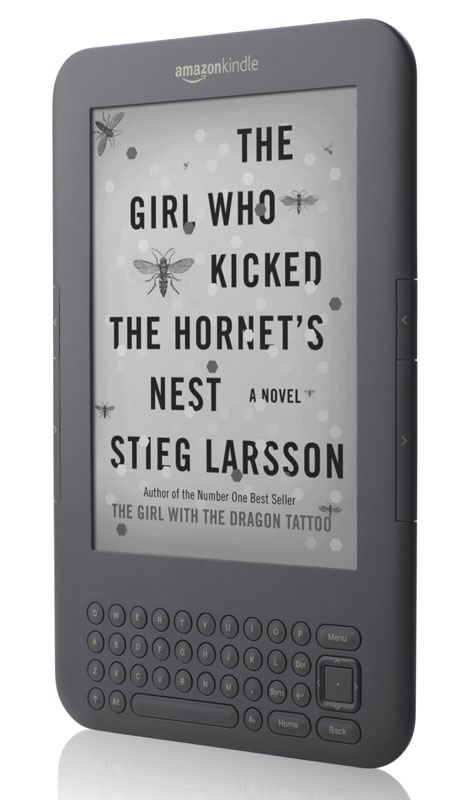
Image used with permission by copyright holder
Geoff Duncan
Former Contributor
Geoff Duncan writes, programs, edits, plays music, and delights in making software misbehave. He's probably the only member…
Claude Code can now browse the web without opening Chrome
The desktop app now includes an in-app browser that can read websites, click links, and interact with web apps.
Claude Code Featured

Developers spend a surprising amount of time bouncing between their code editor, browser tabs, API documentation, GitHub issues, and design files. Anthropic thinks Claude Code should simply do all of that without constantly asking users to switch windows. The company has announced a new in-app browser for Claude Code on desktop, allowing its AI coding assistant to open websites, read documentation, inspect designs, and interact with web pages directly from within the application.

A browser built into Claude Code

Read more
Apple is suing OpenAI over theft of trade secrets in blockbuster lawsuit
The lawsuit claims OpenAI recruited Apple employees and obtained confidential information about unreleased products.
Apple store Apple Building Apple Logo

For the past two years, Apple and OpenAI have been presented as close AI partners. ChatGPT powers key Apple Intelligence features, Siri can hand complex queries over to OpenAI, and together the two companies helped bring generative AI to millions of Apple devices. Now, that partnership has taken a dramatic turn.

What is Apple accusing OpenAI of?

Read more
Home robots can already walk. The hard part is stopping them from crushing your glassware
1X’s NEO uses tactile sensing and force control to handle fragile objects, aiming at the kind of household work humanoids still struggle to do.
Baby, Person, Electronics

A robot can look convincing while walking across a stage and still be useless in a kitchen. Picking up a wet glass demands precision, quick corrections, and enough restraint to avoid squeezing too hard. 1X is tackling that problem with new tendon-driven hands for NEO, its humanoid home robot.

1X says each hand has 25 degrees of freedom, with 22 across the fingers and palm and another three in the wrist. Its joints can yield when pushed instead of staying rigid, giving NEO a better chance of handling household objects without treating every collision like a wrestling match.

Read more