Sucker Punch’s upcoming Ghost of Yotei promises yet another authentic dive into Japan’s rich history and culture. The first game, Ghost of Tsushima, was the PS4’s swansong thanks to its breathtaking visuals, novel approach to open world design, satisfying combat, and respect for history. That game is certainly worth experiencing first if you haven’t played it yet, but it won’t help prepare you for Ghost of Yotei beyond getting familiar with how the game is played.
This sequel takes place in a different time, location, and with a new protagonist. We don’t know everything about the plot, of course, but I have been able to pull together all the important historical and cultural details that Sucker Punch has highlighted as being focal points in the game. Let’s take a dive into the history and culture Ghost of Yotei aims to explore when it comes out on October 2.
Welcome to Ezo
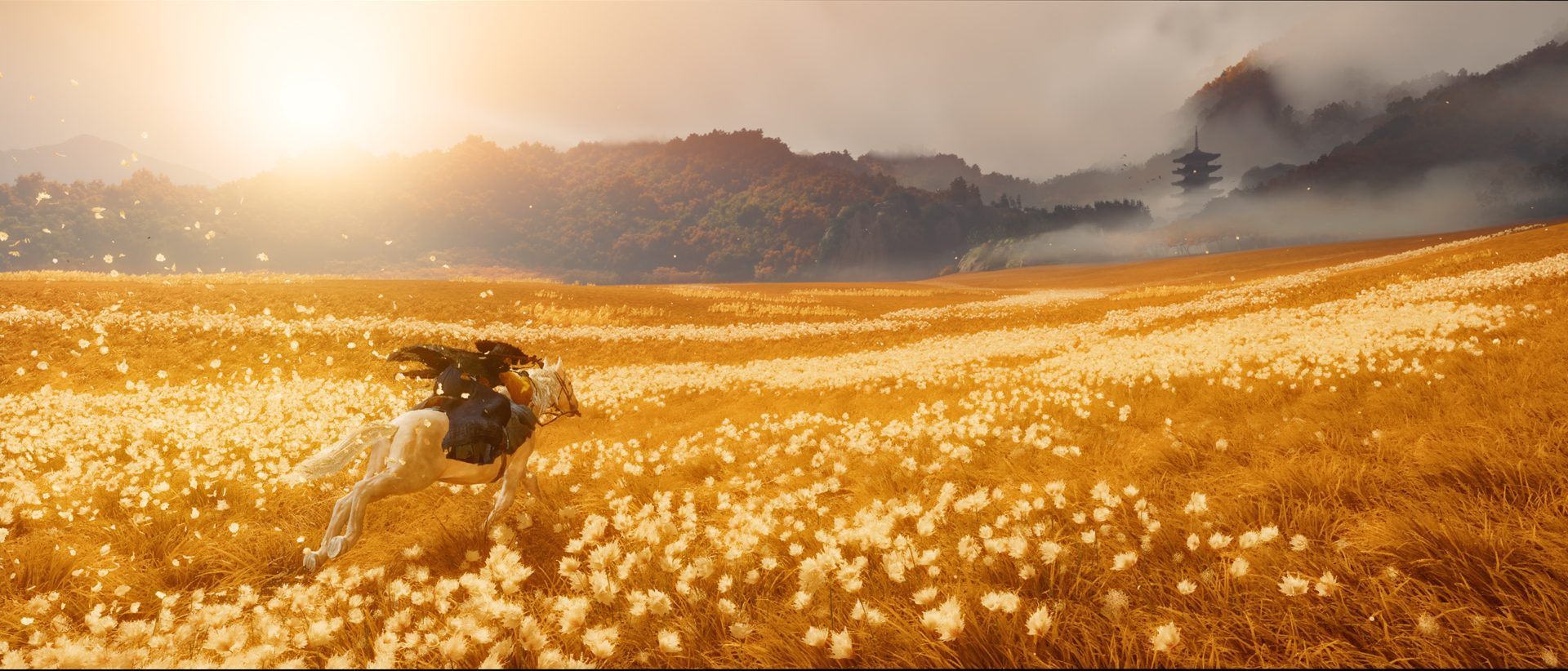
One of the first details we learned about Ghost of Yotei was that it was jumping around 300 years into the future from where Ghost of Tsushima ended. A lot of us theorized that a sequel would opt to focus on one of the following Mongol invasions, but we’re going way past that to the year 1603.
This is right at the start of the Edo Period in a region called Ezo, which would later be known as Hokkaido. This area was just beyond the reach of the Tokugawa shogunate, which had just claimed power over Japan in the Battle of Sekigahara in 1600, as well as any major samurai clans. This made it an ideal place for ronin and other outlaws to flee to in order to escape the Shogun’s rule. In many ways, it bears similarities to the Wild West — there were no official rulers, and the land was populated by a mix of outlaws, settlers, and the indigenous people called Ainu.
Our new protagonist, Atsu, is an Ainu herself. It is important to draw a distinction between the Ainu and the Japanese. They were their own distinct culture, with their own language, tradition, and history in Ezo that the Japanese are attempting to colonize. The main colonizing force in this era was the Matsumae clan.
The Matsumae clan is likely involved

The only antagonistic force we know about for sure in Ghost of Yotei is the gang known as the Yotei Six. This group, to my knowledge, all appear to be fictional antagonists. However, many online who have read up on the history of this region suspect that the Matsumae clan will play a role in the story, even if it is small.
Historically, the Matsumae clan was the main force pushing into Ezo and causing conflict with the native Ainu. They were “given” Ezo by Toyotomi Hideyoshi in 1590 and tasked with defending it from the Ainu, who were viewed as barbaric. As expected, tensions and relations between the two groups were not exactly peaceful, with many revolts and bloody encounters.
Eventually, the Ainu were forcibly assimilated by the Japanese and forced off their land, to abandon their traditions, and placed into Japanese schools where they were unable to speak their own language.
This could be a main focus, or used as the backdrop for Atsu’s more personal revenge quest, but the time and location heavily suggest that the Matsumae clan will be involved to some extent. Atsu being Ainu herself could put her in conflict with this clan as well.
Sucker Punch went to great lengths to make sure it accurately and respectfully represented the Ainu culture in Ghost of Yotei. To that end, it would be remiss to shy away from the colonization and cultural genocide the people endured.
On the topic of clans, we also know the name of the leader of the Yotei Six is Lord Saito. This would imply a rival clan in the area, but that’s not historically accurate from what I see. Sucker Punch could certainly insert a fictional clan into this period to add multiple factions, but from what I’ve been able to find about the Saito clan is that it was wiped out by Oda Nobunaga in 1567.
Onryo of Yotei

A term we’ve been seeing a lot in the marketing for Ghost of Yotei is Onryo. The easy translation of this term would be “ghost,” but that leaves out a lot of nuance.
Atsu is often referred to as an Onryo in marketing material, which more literally translates as “vengeful spirit,” or some variation thereof. These spirits are unique in that they are believed to be able to cause direct harm in our world, even to the point of murder, in their pursuit of revenge. Onryo are the result of some wrongdoing done when the person was alive, typically women, who come back to enact revenge.
However, it is believed that Onryo can cause harm to more than just the individual(s) who caused them harm in life. One story about an Onyro named Hirotsugu supposedly caused earthquakes, fires, drought, and famine.
Atsu is called an Onryo for good reason; her family was murdered, and she is out to avenge them by killing the Yotei Six. However, based on how Ghost of Tsushima handled its folklore and spiritual elements, I doubt that she is literally a spirit. That said, the concept of the Onryo is very fitting for her.
The wolf
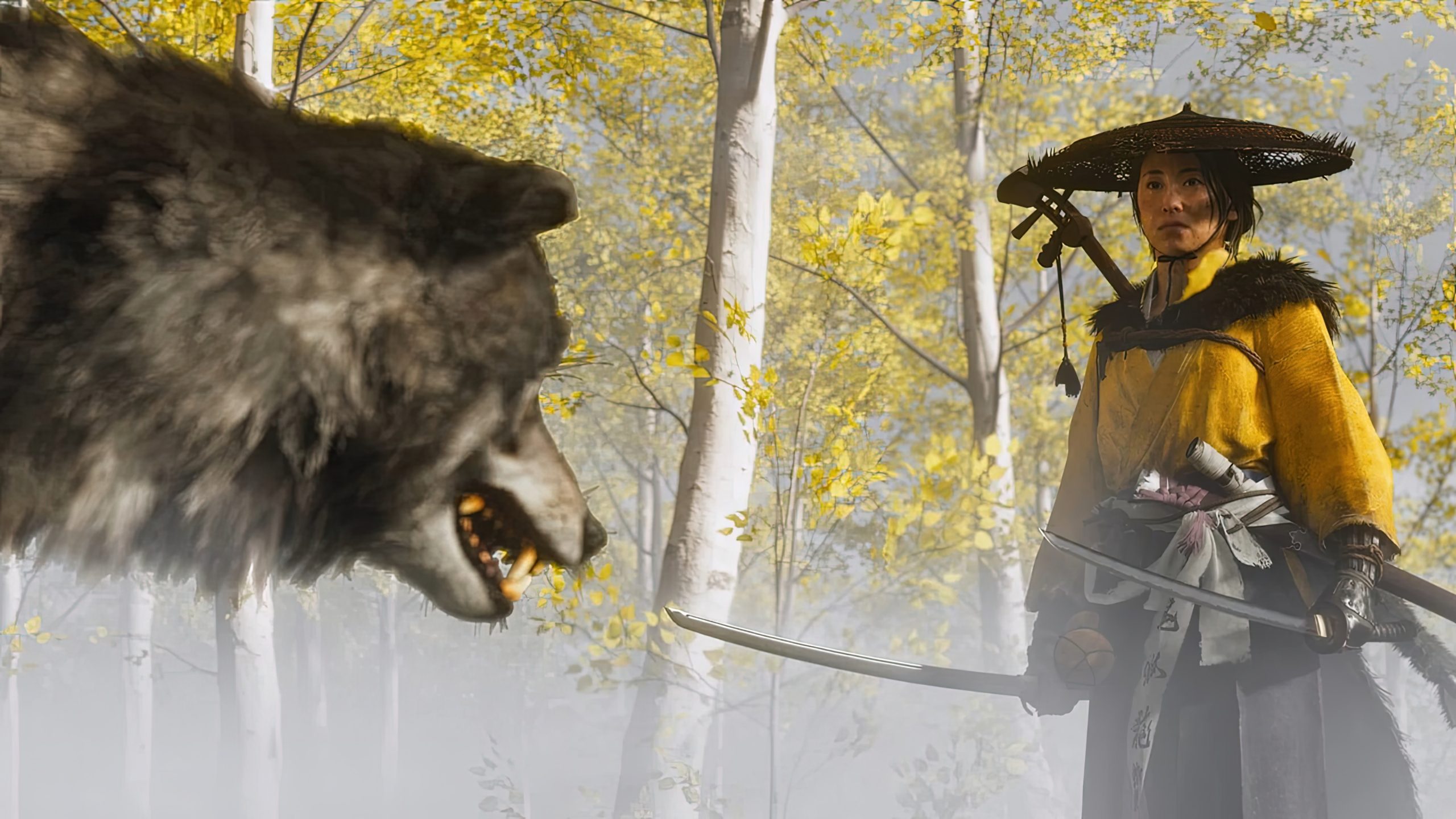
We know that Atsu will, at times, be able to fight alongside and forge a bond of some kind with a wolf. Early on, some theorized that this wolf would somehow be tied to Jin, but that is a bit of a stretch to me. I don’t know if the wolf will be more than just a new gameplay element, but the wolf itself does have a lot of cultural significance in Japan.
The Japanese name for wolf is Okami (like the game), and they are typically associated with mountains. This game is centered on or around Mount Yotei, so that tracks so far. Okami can be both benevolent and malevolent, at some points helping lost travelers home or attacking ones it deemed evil. They can symbolize protection and loyalty.
There are, of course, lots of connections to be made with Atsu being a “lone wolf” of sorts.
I don’t know how much of this will end up being relevant to the game, but it never hurts to be overprepared for the biggest PS5 game of the year. Or, if you’re not so interested in this particular game, check out my list of all upcoming video games to find something more to your liking.