WARNING: Proceed at your own risk if you’re reading this with no previous knowledge of The Stanley Parable. Danger everywhere.
I played The Stanley Parable for three hours before I realized that pushing a button without being prompted to do so could actually make things happen. It was delightful.
The Stanley Parable is a game that challenges you to ponder your actions even as you blindly follow the direction of an unseen narrator who is every bit as cunning and diabolical as the most malevolent virtual puppeteer you can dream up. Except when he’s not.
No, that’s not right. Well it is, but it’s hardly a full picture of what’s been wrought here. To be honest, I can’t give you a written impression of The Stanley Parable. It’s a game– no, an interactive toy– no, game. Yes. Game. Totally. It’s a game filled with contradictions and endings leading to beginnings and ideas that fold in on themselves before cycling you back to the same starting point, to run through the same maze, to reach the same end. Only it’s also rarely the same. Except when it is.
Get all that?
To be honest, I can’t give you a written impression of The Stanley Parable. It’s a game that exists to sha–
No. Wait wait wait. Stop. I settled on describing The Stanley Parable as a “game” up in that earlier paragraph, but it’s really not that at all. There’s an element of play in your repeat looks at poor Stanley’s meaningless existence, but there’s no risk, no reward, no escalating challenge, nothing that relies on the skill, strength, or luck of the operator. Toss “game” out. This is “surrealist interactive fiction.” Yes. I like that. It’s a bit pretentious, but also apt.
Anyway.
To be honest, I can’t give you a written impression of The Stanley Parable. It’s a work of surrealist interactive fiction (better!) that exists to shatter narrative expectations. The feat of programming mastery that creators Davey Wreden and William Pugh were able to accomplish is breathtaking. They’ve built a virtual space brimming with endless possibility, and seemingly possessed of a self-awareness that reads and even anticipates your every move. It’s all an illusion, of course, and one that becomes more transparent over time. Except sometimes even the failing illusion is intentional too, another mechanism designed to keep you ensnared. It’s dizzying, but also frequently funny in the sort of way that causes anyone in close proximity to turn around and stare at your mad hysterics.
To be honest, I can’t give you a written impression of The Stanley Parable. It’s a work of surrealist interactive fiction tha– this all seems familiar, doesn’t it? That’s sort of the point. In reality, The Stanley Parable plays you. It’s a brilliantly constructed illusion that encourages you to search for just one more ending in the same way that the Civilization series drives you to always click for one more turn. The sense of mystery is all-consuming, as is the desire to see what’s through the next door, around the next corner. Even when it’s the same door or corridor you’ve passed through dozens of times. You never once know what’s coming next, even when all evidence suggests that you should. It might be a changed hallway or room, or it might be the dreaded Adventure Line springing up to mock your progress.
And I haven’t even mentioned the Confusion Ending.
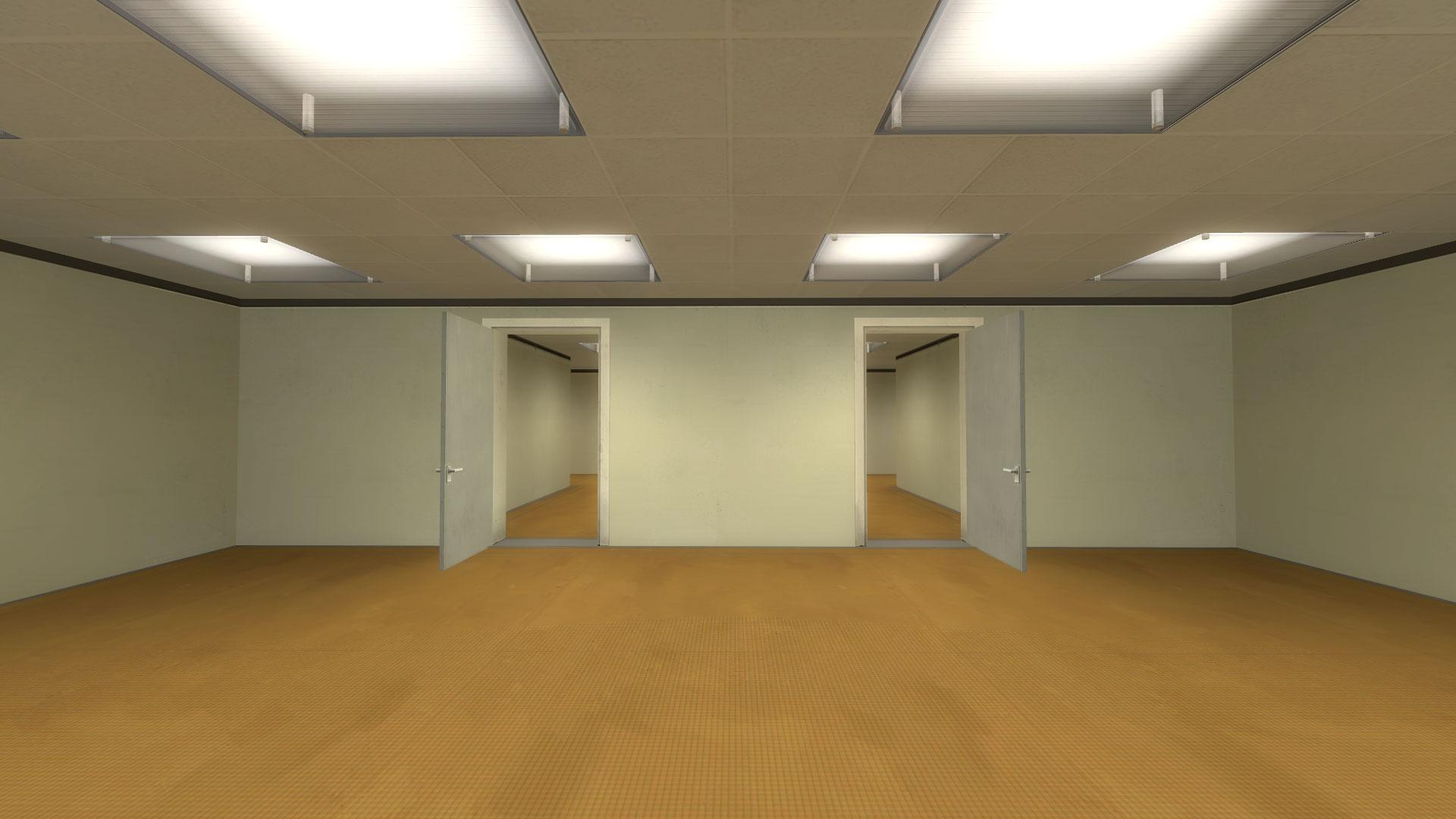
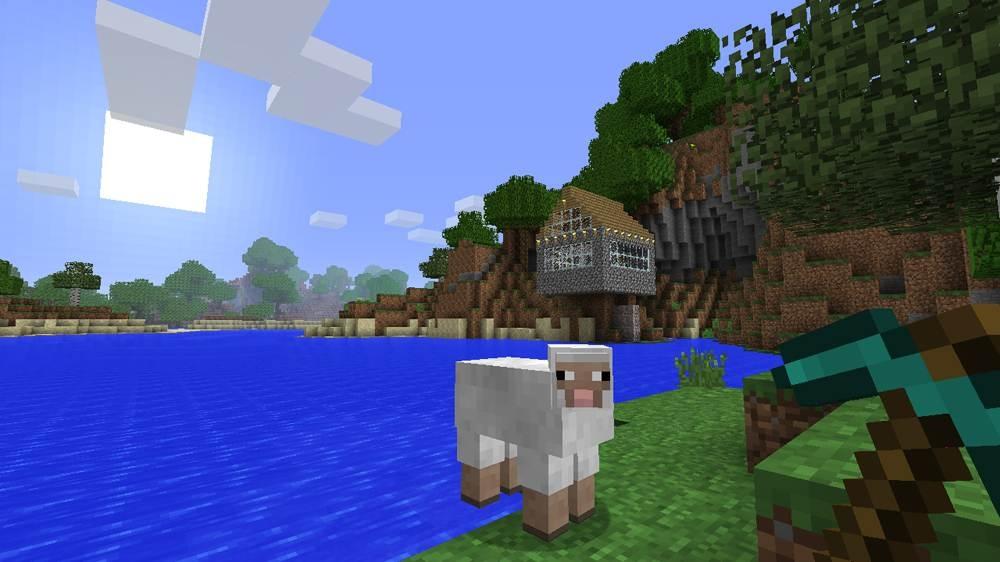
The dry, humorless Explanation for The Stanley Parable is as follows: an interactive first-person experience that actively ponders the meaning of choice and consequence. There is no success just as there is no failure. There is only Stanley, your window into this odd little world and the avatar charged with tugging on its many threads. Some lead to freedom. Others to certain doom. Still others to prescient whiteboards. Or, in one instance, to Minecraft.
No joke.
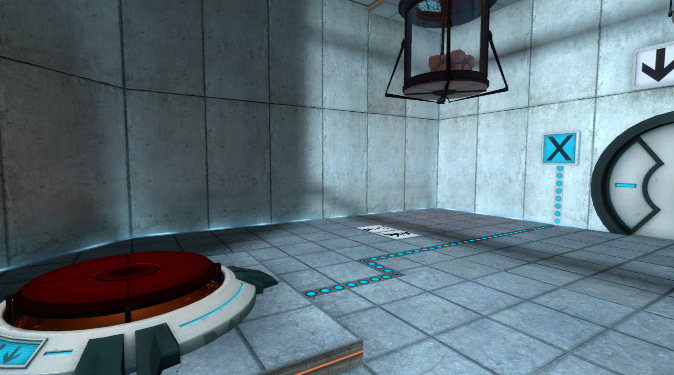
Through it all, there’s Kevan Brighting, the voice of your narrator. He ranges from charming to pathetic to villainous to tragic to frustrated to resigned to [insert emotion here]. He’s your comrade, but also your unforgiving overseer. Brighting’s lyrical, Brit-accented reading is magical, a blended performance of GLaDOSian proportions that is at once referential to (and reverential of) Portal‘s villainess while also operating with the freedom of a much broader emotional scope.
His performance is helped along by a brilliant script that explores toilet bowl ponderings alongside hipster-pleasing profundity. It’s a literary achievement, a Choose-Your-Own-Adventure built for intellectuals with low-leaning brows. Individual passages sometimes hammer a bit too hard on the philosophical twaddle, but make no mistake: this is an Important Work.
But then, you know all of this. Right? You’re not reading without having first played The Stanley Parable. That would be silly. I warned you at the start of this whole endeavor. “Danger everywhere,” remember? At best, none of what you’ve read made any sense at all. At worst, you’ve spoiled the thrill of discovering one of gaming’s most unique and thought-provoking experiences. But take heart: even that is a salvageable situation. Therein lies the brilliance of The Stanley Parable. As well as you think you might know it, it always creeps in again to surprise you.