1. Home
  2. Gaming
  3. News

Why PlayStation 6 and Xbox Might Arrive After 2028

AI-driven RAM demand is squeezing component supplies and could delay the next console generation

Add as a preferred source on Google
Dualsense PS5 controller in hand
Yan Krukau / Pexels

Sony and Microsoft’s next-generation gaming consoles, widely expected to arrive around 2027 or 2028, may not hit store shelves when many gamers had hoped. According to a recent report by Insider Gaming, massive price increases and tight supplies for RAM are forcing both companies to debate whether they should delay their next consoles’ launches until memory availability improves.

DRAM and other memory components have seen sharp price spikes this year, driven largely by rising demand from artificial intelligence infrastructure and data centers that outbid consumer device makers for limited chip production capacity. That has made securing memory for gaming consoles more expensive and uncertain, potentially pushing up production costs for the PlayStation 6 and the next Xbox beyond what Sony and Microsoft would prefer at launch.

Memory Market Squeeze Hitting Hardware Plans

Originally, both platforms were pegged to follow the traditional seven-to-eight-year console cycle, with the PS6 and its Xbox counterpart expected somewhere in the 2027–28 window. Now, that rhythm may shift as RAM producers build out capacity and prices potentially ease.

Recommended Videos

This isn’t just about timing. Launching next-generation consoles in a high-cost environment can have knock-on effects on game development timetables and recommended retail prices, potentially resulting in pricier hardware for consumers. What’s more, is that it could also mean that the current PlayStation 5 and Xbox Series X/S generation, already seeing multiple price increases, remains relevant and in production longer than initially planned.

For gamers, this scenario has a mix of good and bad implications. On one hand, it may delay the hardware-driven leap in performance and features you’d see with a new console generation. On the other hand, it might give developers more time to extract value and creativity from the current generation, which still has thousands of titles and ongoing services fueling engagement. With memory costs climbing and broader market pressures reshaping hardware investment decisions, a delay — or at least a reconsideration of how and when to launch — seems more plausible than it did a year ago.

Varun Mirchandani
Varun is an experienced technology journalist and editor with over eight years in consumer tech media. His work spans…
This gaming mouse has a Noctua fan inside, and it finally has a launch date
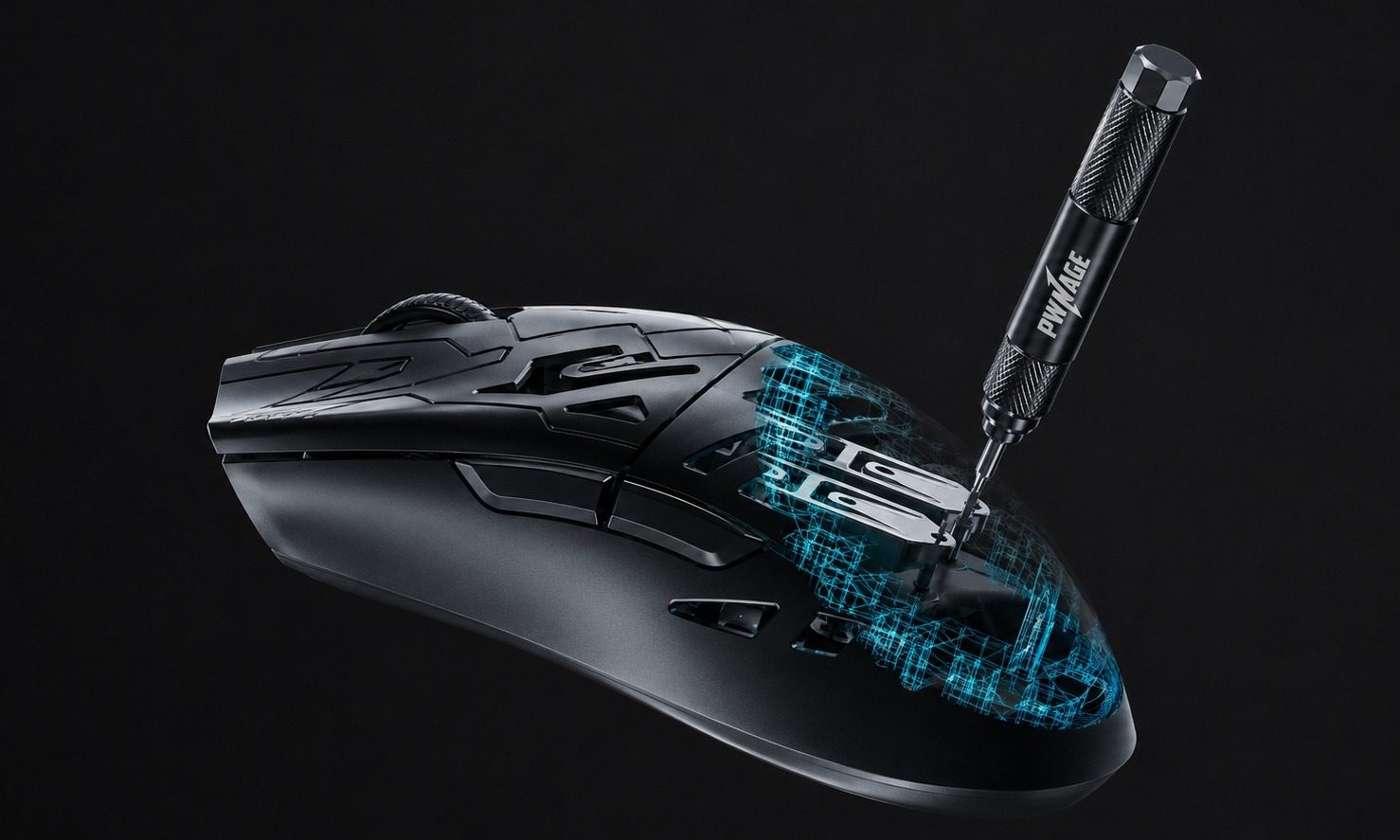
Pulsar’s Noctua-cooled gaming mouse finally launches on July 21
Pulsar Feinmann F01 Noctua Edition mouse in hand

More than a year after its Computex 2025 debut, the Pulsar Feinmann F01 Noctua Edition gaming mouse is finally ready to launch. Sales begin through Pulsar’s online store on July 21 at 4 p.m. KST, although pricing has not yet been announced.

We also saw the mouse at Computex 2026, where it appeared much closer to a finished retail product. Its defining feature remains the tiny Noctua fan built into the shell, designed to push air toward your palm during long gaming sessions.

Read more
Gaming against AI could make you more confident with real teammates
Turns out getting beaten by bots wasn't the worst thing after all
Representative image of mobile gaming

Artificial intelligence is often blamed for making people less social. Whether it's AI replacing conversations, reducing teamwork, or making gaming feel less human, the narrative has largely remained the same. But a new study suggests the opposite could also be true. In fact, AI might be quietly encouraging people to spend more time with their friends.

Researchers studying PUBG: Battlegrounds have found that introducing AI-controlled opponents into multiplayer matches didn't isolate players. Instead, it made them more confident, kept them playing longer, and even encouraged them to squad up with friends more often. The findings, which will appear in the journal Information Systems Research, offer an interesting perspective on how AI can improve user experiences rather than simply automating them.

Read more
As Sony closes the door on PS3 games, RPCS3 has preserved thousands on PC
The open-source emulator now considers 2,681 PS3 titles fully playable before Sony stops selling games through the console
A stack of PS3 games.

Sony is preparing to close the PlayStation Store on PS3, ending new purchases globally by July 2027. Less than two weeks after that announcement, the team behind RPCS3 revealed a very different milestone.

The open-source PS3 emulator now lists 75% of the console’s tracked library as playable on PC. That covers 2,681 of 3,559 games, and the rating means they can be completed with acceptable performance and no game-breaking glitches.

Read more