The analysts were right, and the analysts were wrong. Nintendo, one of the pillars of the video game industry, reported its earnings for the fiscal year ending in March on Wednesday morning. For the company’s shareholders exhausted by two years of declines coming after the Wii and Nintendo DS boom years, there’s cold comfort inside of Nintendo’s latest numbers. On the one hand, thanks in part to the strength of the Japanese yen, Nintendo managed to return to profitability, pulling in full year profits of around $71 million. On the other hand, that’s 50-percent lower than past projections of around $142 million (earnings per share were actually less than half what the company projected). With the Nintendo Wii U’s poor showing in the console market, Nintendo’s coming year looks like a hard one.
Following the holiday 2013 release of Wii U, Nintendo actually downgraded its expectations for the fiscal year. It could see, even then, that sales were slowing to a degree that it was unprepared for. Before the Wii U released, Nintendo expected to sell 5 million consoles by the end of March. In January, having sold 3 million Wii Us worldwide by the end of the month, Nintendo revised its expectations to 4 million consoles. It couldn’t even manage that.
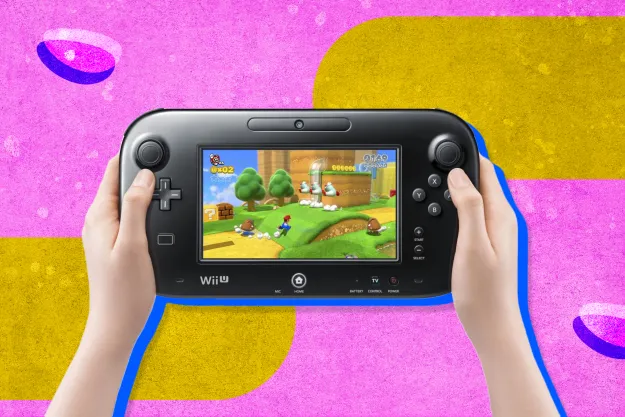
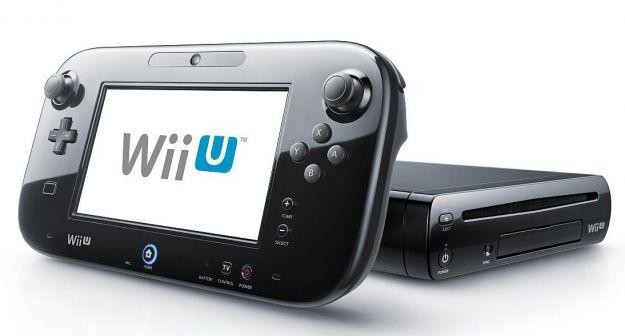
Reports of dire monthly Wii U sales proved all too true. Nintendo only managed to sell 390,000 Wii Us over the first three months of 2013, bringing the worldwide total to 3.45 million. Persistent reports that the Wii U’s attach rate – the number of games sold to each console owner – are terribly low were softened somewhat though, as Nintendo reported 13.4 million software sales worldwide, just fewer than four games per console sold.
The Nintendo 3DS is doing better, but it still managed to miss Nintendo’s projections for the fiscal year. The company expected to sell 15 million 3DS handhelds but only managed to sell 13.95 million. Lifetime sales of the console are up to over 31 million, putting ahead of the Nintendo DS after two years on the market.
Some expected company president Satoru Iwata to resign from his post in the event that Nintendo missed its projections for the year. Iwata is not resigning, but Nintendo will undergo a major corporate restructuring to streamline “decision making and enhance Nintendo’s organizational agility in the current competitive environment.” Under the new set up, Iwata will assume the role of CEO of Nintendo of America, taking over the position of Tatsumi Kimishima, while Reggie Fils-Amie willl remain as President and COO, reporting to Iwata. Kimishima will in turn be promoted to NCL managing director where he will oversee corporate analysis and other management duties.
Editors' Recommendations
- The biggest gaming news of 2023: Insomniac leak, GTA 6 reveal, and more
- Nintendo is shutting down online services for 3DS and Wii U next April
- Download these rare Wii U games before they disappear
- Nintendo’s eShop closures are a necessary, but messy move
- Nintendo is ending Wii U and 3DS eShop service