1. Home
  2. Smart Home
  3. News

Survey names Amazon and Samsung as the most trusted smart technology brands

Add as a preferred source on Google

Fluent, a performance marketing company, recently released the findings of a survey it conducted on April 8, 2019. Though this survey is meant for marketing purposes for its business partners, there’s some interesting information for the consumer, too. One of the biggest surprises (or maybe not if you’re a fan) is that Amazon and Samsung came out as the most trusted of all the smart technology brands.
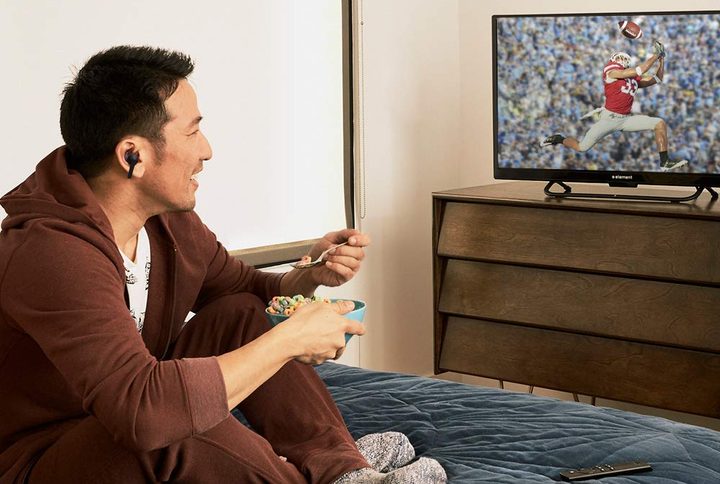
Image used with permission by copyright holder

More than 9,300 survey respondents answered several questions about smart home technology purchases. Then Fluent sorted through the demographic, socioeconomic, and geographic insights. According to the survey, 30 percent of the respondents said they had purchased or installed a home-related smart technology product within the past year, and out of those respondents, 32 percent said that Amazon is the most trusted home-related smart brand. Another 32 percent said that they believed Samsung was the most trusted brand.

Recommended Videos

There were some other interesting insights on smart home technology. The survey also found that 40 percent of respondents said they have at least one smart technology product in their home, and 11 percent had installed one in the four weeks leading up to the survey.

Who are these people? Well, 29 percent of respondents identified themselves as “early adopters,” or people who are the first, or among the first, to try a new product or technology. On the other hand, 36 percent saw themselves at “laggards,” people who are the last to try new products and technology. This distinction makes a difference. Fluent found that the early adopters are more likely than laggards to trust in the brands Sonos and Nest.

Age, gender, and parental status also played a role in who had more of certain types of smart home technology, according to the survey. Fluent found that respondents from 18 to 34 years old are 140 percent more likely to have home automation or assistants (like Alexa or Google Assistant) in their homes than people that are 35 years old or older. Those with kids were found to be 26 percent more likely to have purchased or installed smart thermostats. Females were found to be 61 percent more likely to have smart mirrors.

You can learn more about Fluent’s survey results by viewing its PDF.

Alina Bradford
Alina Bradford has been a tech, lifestyle and science writer for more than 20 years. Her work is read by millions each month…
Apple’s long-delayed smart home plans may finally start to take shape this fall
Bloomberg says Apple's long-awaited home hub, along with updated Apple TV and HomePod mini models, could roll out over the coming months.
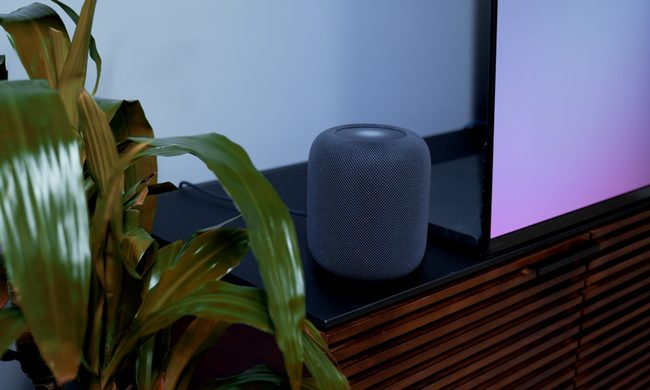
An Apple HomePod 2023 on a media stand.

Apple's long-rumored smart home ambitions may finally be ready for prime time. According to Bloomberg's Mark Gurman, Apple is preparing to launch three new home products over the coming months, including a Siri AI-powered smart home hub, a refreshed Apple TV 4K, and an updated HomePod mini. The report pegs the Apple TV and HomePod mini for release this fall, while the new smart home hub is expected to arrive sometime "between October and early next year".

The wait for Apple's AI-powered home may be over soon

Read more
Top Smart Home Upgrades Worth Making Before Your Summer Break
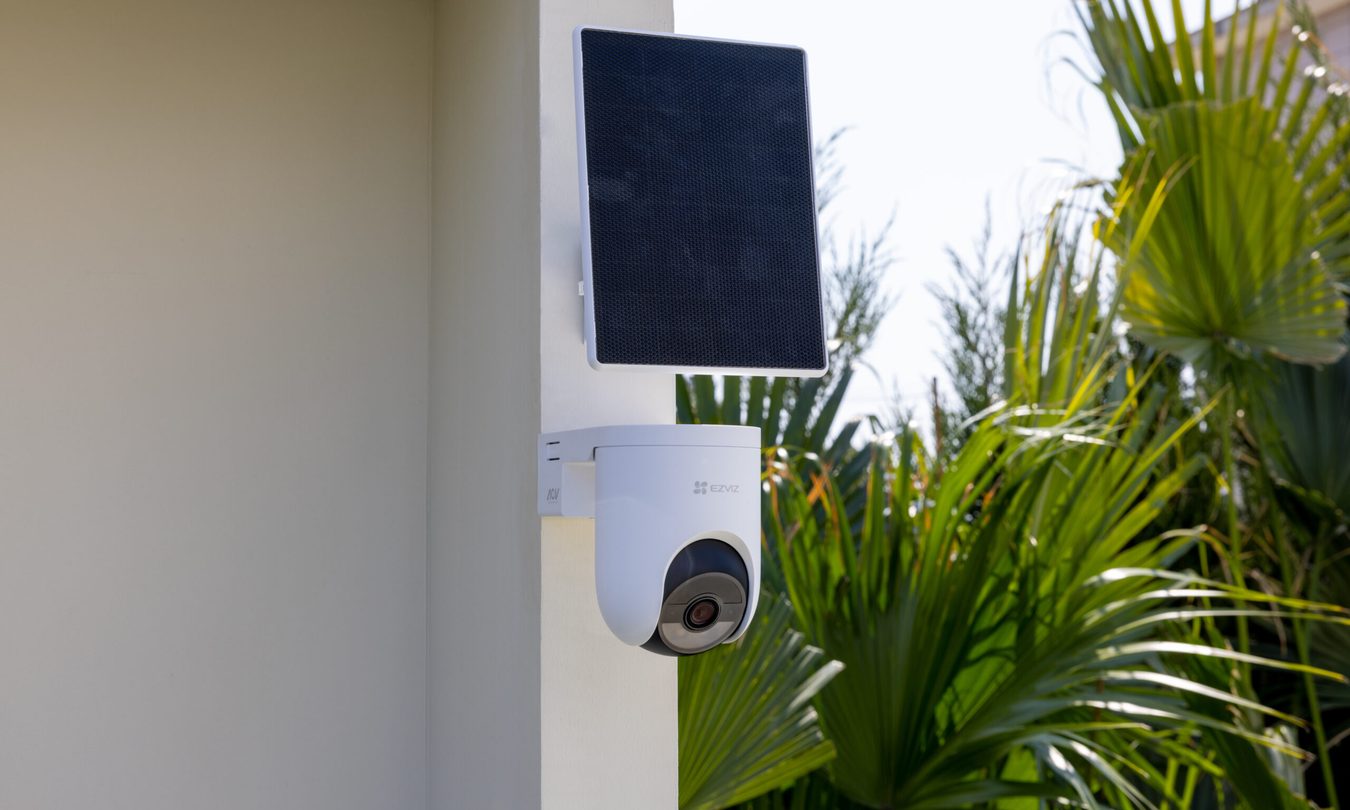
From outdoor monitoring to smarter front-door security, these EZVIZ devices combine smart protection with daily convenience
Person, Security, Electronics

Summer often brings a welcome change of routine for homeowners across Europe. Family holidays, weekend getaways, and longer days spent outdoors mean more time away and fewer opportunities to stay connected to what's happening back at the property. While it's a season for slowing down and enjoying the warmer months, everyday responsibilities don't simply pause. Deliveries still arrive, visitors may stop by unexpectedly, and trusted family members, cleaners, or pet sitters may occasionally need access while you're away.

Modern smart home technology makes those situations easier to manage. Today's connected devices can do far more than record footage or send motion alerts. They can help homeowners monitor outdoor spaces around the clock, stay informed about important activity, communicate with visitors remotely, and manage entry without needing to be physically present. Instead of constantly checking in or wondering whether everything is running smoothly back home, the right setup can provide greater visibility, convenience, and peace of mind throughout the season.

Read more
EZVIZ Sets a New Benchmark for Battery Powered Home Surveillance
Because every property deserves protection without compromise
Person, Security, Tape

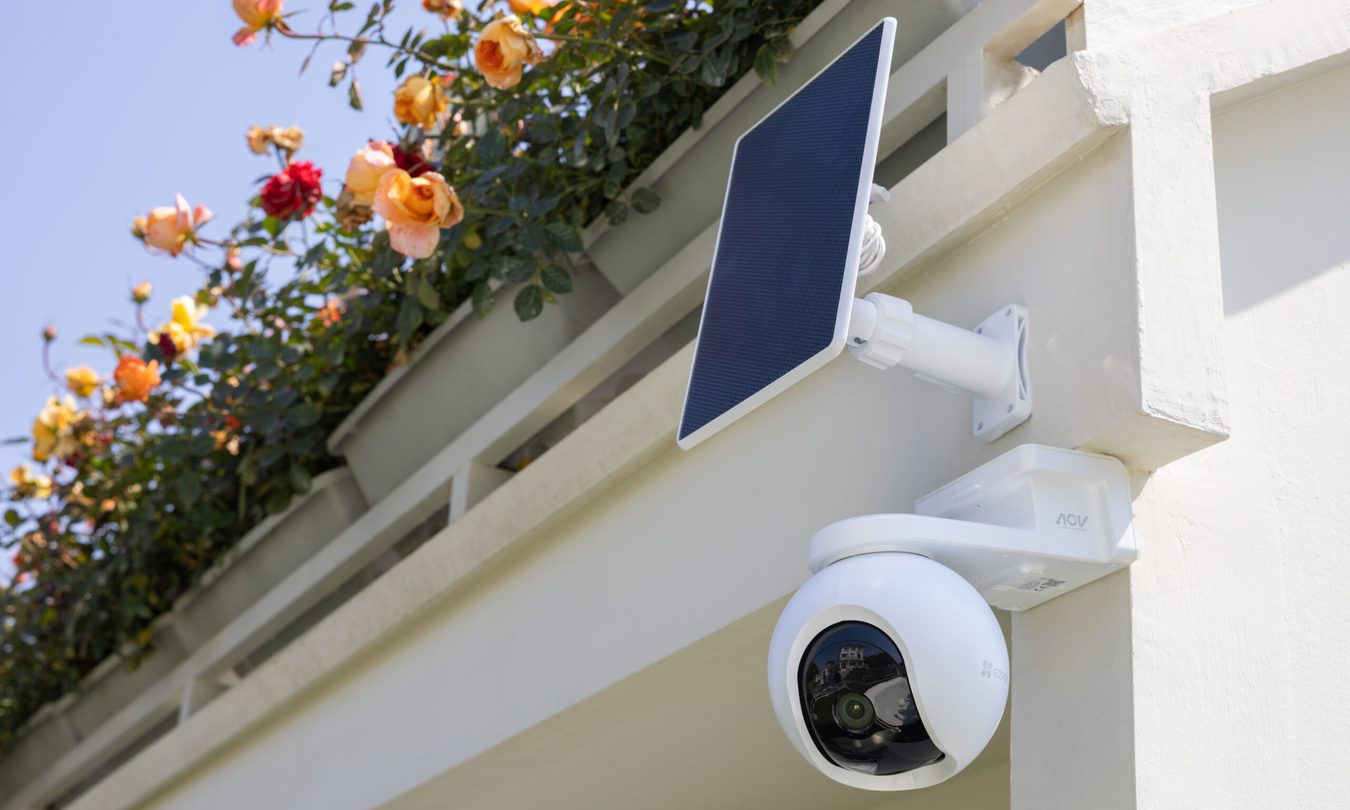
Battery-powered smart cameras have become one of the fastest-growing categories in home monitoring. Once valued primarily for their seamless installation, today's models combine advanced visual technology, AI-powered intelligence, and dependable long-term performance that rivals many traditional wired systems. As innovations such as Always On Video 2.0 and solar charging continue to improve everyday usability, battery cameras are becoming the preferred choice for homeowners seeking flexible, comprehensive outdoor protection.

This shift has also raised expectations. Modern users want more than clear video. They expect smart detection, reliable monitoring, seamless smart home integration, and solutions that adapt to different property sizes and lifestyles. As one of the world's leading smart home camera brands, EZVIZ has responded by building one of the industry's most comprehensive portfolios of battery-powered cameras. The lineup is designed to serve every living situation, whether for renters or owners of apartments, condominiums, or villas. From accessible options for everyday monitoring to advanced multi-lens systems for larger and more demanding environments, the portfolio reflects a strong focus on innovation, user-centric design, and real-world needs.

Read more