1. Home
  2. Smart Home
  3. Legacy Archives

EchoStar, DirecTV to Offer Broadband

Add as a preferred source on Google

Satellite broaband operator WildBlue Communications announced today it has entered into agreements with satellite television providers EchoStar and DirecTV to resell satellite broadband services.

WildBlue provides satellite-based broadband Internet and data services for about $50 to $80 per month, focusing on areas where customers do not have access to other forms of broadband communications, or where available broadband options are few and far between. WildBlue bounces signals off a satellite owned by Canadian phone company BCE, currently serves about 60,000 customers in the U.S., whereas DirecTV and EchoStar combined reach almost 30 million subscribers. As such, the agreements with EchoStar and DirecTV could substantially increase WildBlue’s user base, particularly given the popularity (and practicality) of satellite television in outlying and rural areas often lacking in where cable and other broadband technologies.

Recommended Videos

“Our agreements with DIRECTV and EchoStar are a turning point for WildBlue,” said David Leonard, WildBlue’s Chief Executive Officer. “We have worked very hard this year to make our affordable broadband Internet service available to every home and small business across the continental U.S., and we are pleased to be working with DIRECTV and EchoStar to further strengthen our presence nationwide and to extend their respective product offerings as well.”

Financial terms of the arrangements were not disclosed; however, both EchoStar and DirecTV have agreed to make WildBlue their exclusive provider of satellite-based Internet services for the next five years.

Geoff Duncan
Former Contributor
Geoff Duncan writes, programs, edits, plays music, and delights in making software misbehave. He's probably the only member…
Proxima wants to move blood tests into the home, and it has cleared an important early hurdle
The portable analyzer delivers blood-count results in about 20 minutes, but its promise depends on transparent clinical data
Furniture, Table, Desk

Algocyte’s Proxima is designed to run blood-count tests from a small finger-prick sample and send the results to a clinician in about 20 minutes. For patients who need frequent monitoring, that could mean fewer trips to a clinic or laboratory.

The device has also moved beyond the concept stage. Proxima carries UK conformity credentials, while Algocyte operates under a certified medical-device quality system. Those steps give the project more weight than a prototype shown at a launch event.

Read more
Remember Samsung’s Ballie home robot? It may finally be inching closer to reality
Leaked app wireframes give the strongest hint yet that Samsung's Ballie home robot, first shown at CES 2020, might still be headed toward an actual release.
Samsung Ballie robot in a room next to a dog feeder.

Samsung's rolling home robot has been the industry's longest-running "will it ever actually ship" joke, and I'll admit I'd mostly given up on it. Now, there's finally a glimmer of hope.

Samsung first unveiled Ballie as a concept at CES 2020. Then, it showed it as a significantly upgraded version four years later. However, the company never confirmed a release date or committed to releasing it at all. 

Read more
The US foreign-made robot crackdown is coming for future Roombas too
Future Roombas face new US sales hurdles, but existing models are unaffected
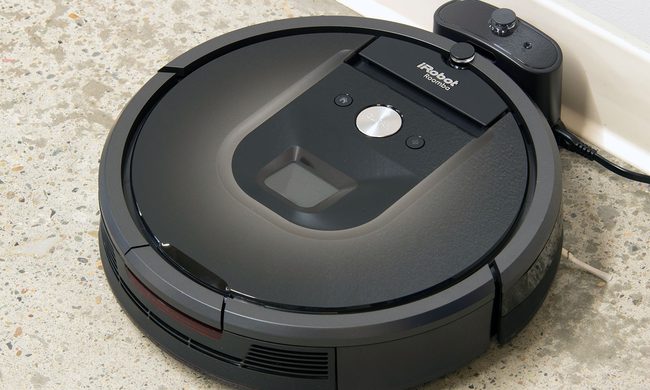
Roomba 980

The FCC has already made it much harder for foreign drone makers such as DJI to bring new products into the US. Now, the same crackdown is reaching a machine far more likely to be moving around your living room.

The US government recently added foreign-made advanced robotic devices to the FCC’s Covered List. The announcement appeared focused on humanoids, robot dogs, and industrial machines, but an FCC spokesperson has confirmed to The Verge that robot vacuum cleaners are covered too.

Read more