  1. Home
  2. Phones
  3. Mobile
  4. How tos

How to make a folder on an iPhone to organize your favorite apps

Add as a preferred source on Google
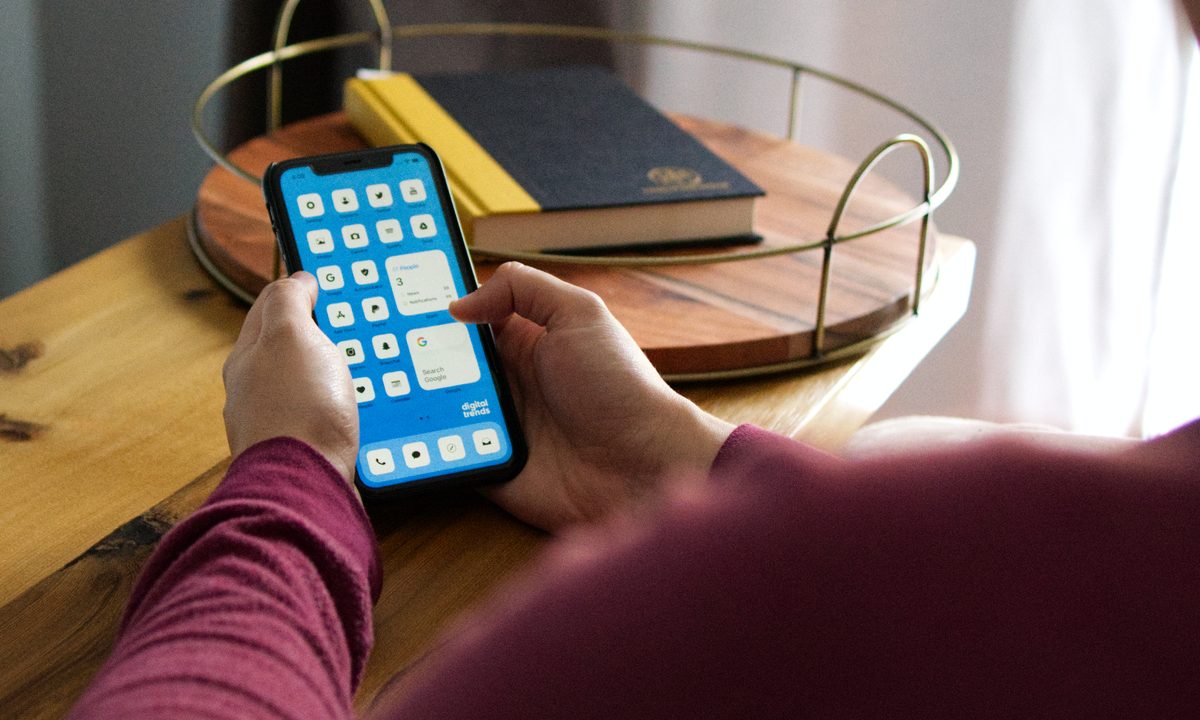
Person holding iPhone 11 with a customized home screen layout.
Bill Utaegbulam/Digital Trends

One of the coolest features of Apple's modern iOS is the App Library. It cleans up the home screen by organizing nearly all apps into pre-set categories. That way, you can shove your most-used apps on the first screen you see while everything else is tucked away — just swipe a finger left to see all your grouped apps on a single screen — no more endless app pages.

Recommended Videos

Difficulty

Easy

What You Need

  • Apple iPhone

However, what if you need to cram specific apps into a single folder? For instance, you may need Microsoft Teams, Asana, Microsoft Word, and a few others in a central location, but they're scattered throughout the App Library. Sure, you can drag them all onto the home screen individually, but that's just messy — and you don't want messy — you want a clean home screen. That's where folders come in.

We show you how to use iOS 15 to make a folder on an iPhone, including dragging apps out of the App Library so you can actually make a folder and how to create a new folder in the Files app.

Move an app to the home screen

Follow these instructions if the apps you want to throw into a folder are not already on the home screen.

Step 1: On the home screen, swipe a finger Left to load the App Library.

iPhone App Library.
Image used with permission by copyright holder

Step 2: Find the app you want to move and long-press on it. A pop-up menu appears on the screen.

Select Add to home screen if it's available and iOS 15 automatically adds it to the next available app slot on the home screen.
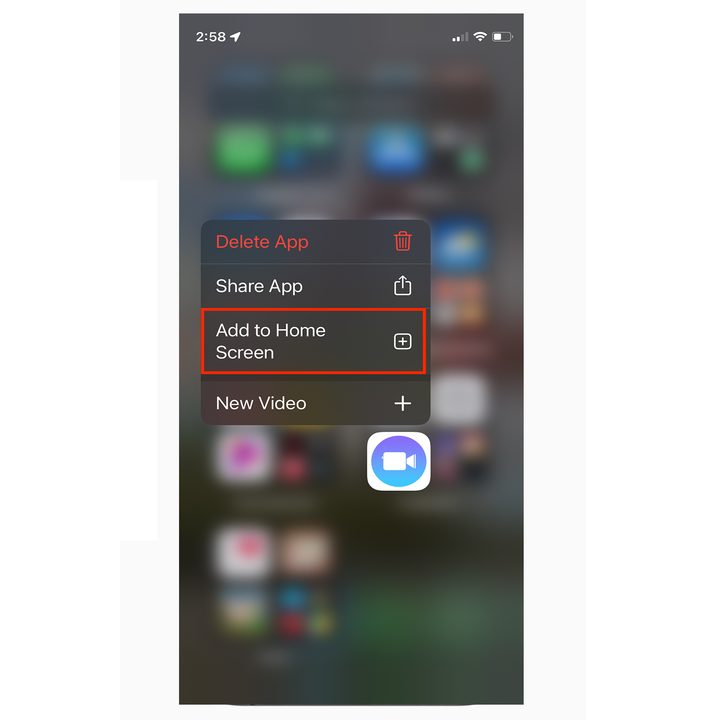
iPhone App Library add to Home Screen.
Image used with permission by copyright holder

Step 3: If you don't see that option, wait for the pop-up menu to disappear and the other apps to jiggle, and iOS will place the app on the home screen in edit mode. You can then move the app to your desired spot by dragging it.
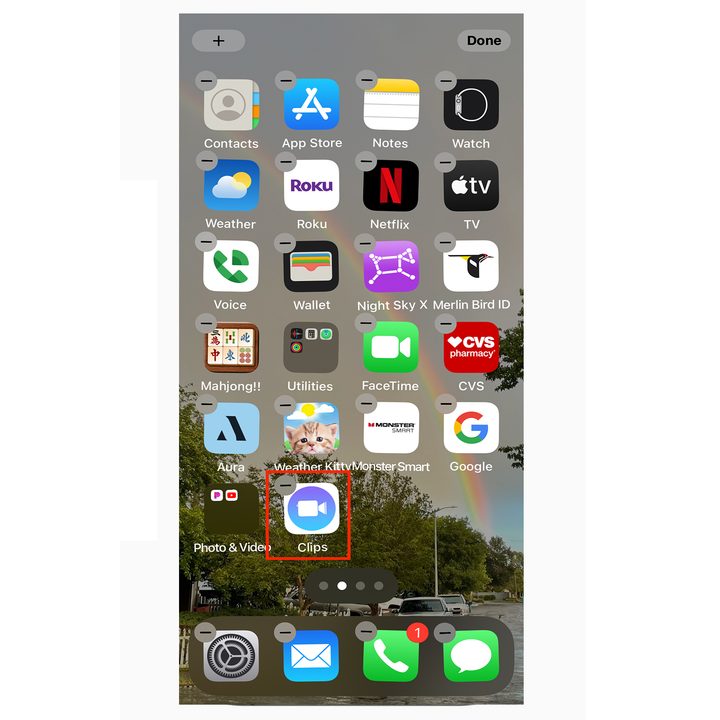
App moved to last place in sequence.
Image used with permission by copyright holder

Step 4: Press the Home button or tap the Done button in the top right corner on phones without a Home button.

App move completed with Done button.
Image used with permission by copyright holder

Create an app folder

With the apps now located on your home screen, you can group them together into a customized folder. You need only two apps to create a folder.

Step 1: Long press on an app you want to add to create a folder.

Wait for the pop-up menu to disappear. You’ll see the app jiggle in place with a “minus” icon in the top left corner of its logo.

Apps available to create a new folder.
Image used with permission by copyright holder

Step 2: Drag the app icon on top of a second app icon. Almost instantly, an open folder appears on the screen with the second app inside.

Two app icons inside a folder.
Image used with permission by copyright holder

Step 3: Typically, iOS automatically generates a label based on the apps you pair together, but you can change it.

Tap the label name until you see the cursor and use the keyboard to type in a different name.

Change the name of the folder.
Image used with permission by copyright holder

Step 4: Tap outside the folder to return to the home screen.

New folder name.
Image used with permission by copyright holder

Step 5: Press the Home button to complete or tap the Done button in the top right corner on phones without a Home button.

Tap the Done button.
Image used with permission by copyright holder

Step 6: You can continue to add (or remove) apps to and from the new folder with a long press and drag.

Add and remove apps from a folder.
Image used with permission by copyright holder

Delete an app folder

Sick of folders on your home screen? Kick their apps back to the App Library. Removing an app from the folder or home screen does not delete it from your App Library.

Step 1: Long-press on the folder until a pop-up menu appears and tap Remove folder on the menu.

Delete folder command on iOS.
Image used with permission by copyright holder

Step 2: A prompt appears asking you to confirm the removal of the app(s) inside the folder. Tap Remove from Home Screen.

Remove Folder dialog on iOS.
Image used with permission by copyright holder

Create (and delete) a file folder

Now that you created a folder for apps, let's move on to creating a folder for files. On your iPhone, you can only create folders within file management apps. Here we use the native Files app in iOS 15.

Step 1: Open the Files app.

Open Files app from App Library.
Image used with permission by copyright holder

Step 2: Tap on Location.

Location setting for Files in iOS.
Image used with permission by copyright holder

Step 3: Choose a location such as On my phone or iCloud drive.

Then, Tap the three-dot ellipsis icon located in the top right corner.

Place Files folder command in iOS.
Image used with permission by copyright holder

Step 4: Tap on New folder on the pop-up menu.

Add new folder command in iOS.
Image used with permission by copyright holder

Step 5: Use the on-screen keyboard to name the new folder.

Name the new file folder in iOS.
Image used with permission by copyright holder

Step 6: If you change your mind, you can delete any folder. Long press on the folder icon and tap Delete from the pop-up menu.


Delete folder command in iOS.
Image used with permission by copyright holder
Jackie Dove
Former Contributor
Jackie is an obsessive, insomniac tech writer and editor in northern California. A wildlife advocate, cat fan, and photo app…
Android 17’s new video standard fixes one of HDR’s biggest problems
Your HDR videos are about to look right, no matter what screen you use.
Electronics, Mobile Phone, Phone

Android 17 is packed with new features, but one small addition might end up mattering more than the flashy ones. It's called Eclipsa Video, and its whole purpose boils down to this: your HDR videos should finally look the way they're supposed to, regardless of which screen you're staring at.

Why does HDR look different on every screen?

Read more
Your free mobile VPN is a privacy disaster. Go figure
Android's free VPNs are somehow worse than you expected
VPN

The free VPN app you downloaded for your Android phone might be doing more harm than good. A recent large-scale audit of free Android VPN apps has shared some worrisome findings that justify some healthy suspicion. Researchers found these apps leaking traffic, sending identifying information to third parties, and basically the opposite of what a VPN is supposed to do.

The study comes from researchers at the University of Michigan, the University of New Mexico and IIT Delhi. Their findings were presented at the Network and Distributed System Security Symposium 2026 alongside MVPNalyzer, a framework designed to audit mobile VPN apps automatically and at scale.

Read more
A broken Galaxy Fold 5 just became the Pixel desktop future I want Google to steal
A broken Galaxy Fold 5 became a tiny PC because Samsung already built the desktop mode Google keeps treating like a side quest.
Desktop mode within Android 16.

A broken Galaxy Fold 5 should be a sad little monument to modern gadget math. One busted outer display, one repair bill nobody wants to inspect too closely, and suddenly a powerful foldable starts heading toward a drawer. Instead, a Redditor turned one into a glowing acrylic DeX box with spare parts, fans, a USB hub, and the kind of LED lighting that makes every homebrew computer look mildly illegal.

https://www.reddit.com/r/SamsungDex/comments/1upica7/fold_5_dexbox/

Read more