1. Home
  2. Phones
  3. Business
  4. Mobile
  5. Web
  6. News

25 percent of smartphone users have ad blockers, according to survey

Now that ad blockers are available on iOS and Android, many more users seem to be downloading the apps. A mobile marketing company called Tune has released a new report suggesting that as many as 24.6 percent of mobile users have some kind of ad blocking app or Internet browser installed.

Tune surveyed almost 4,000 people in the U.S. and Europe, and found that ad blocker adoption is growing extremely quickly. While only 2.4 percent of respondents said that they had downloaded an ad blocker in the four to six months before November, 7.8 percent said that they had downloaded their ad blocker in November 2015. The adoption rate is highlighted by the fact that Tune projects 80 percent of users will have downloaded ad blockers by the fourth quarter of 2017.

Recommended Videos

RelatedYahoo Mail begins blocking users with ad blockers installed

Of course, there are a few things to note. Tune did not survey the actual data on users’ phones, but rather simply asked them what they have on their phones. Because of this, results could vary quite widely, with 21 percent of respondents even saying that they didn’t know if they had an ad blocker or not. Not only that, but just because someone has downloaded an ad blocker doesn’t mean they’re actually using it.

Still, the fact is that ad blocker use is growing quickly — especially considering the fact that Apple recently started allowing ad blockers on its iPhones — may be cause for concern for publishers.

Interestingly enough, there doesn’t seem to be any real correlation between using ad blockers and demographic. The report noted that young people in Europe were more likely to use ad blockers, but by a negligible few percentage points.

The debate on ad blocking is likely to continue to heat up in the near future. Publishers rely on ads to make money from their content, but ad blockers take a chunk of that potential profit away from them. Because of this, advertisers and publishers have started looking towards ad blocker developers to change how they block ads, only filtering out some more intrusive ads rather than ads in general.

You can see the full report for yourself here.

Christian de Looper
Christian de Looper is a long-time freelance writer who has covered every facet of the consumer tech and electric vehicle…
Why I believe Samsung should make the Galaxy S26 Edge, not cancel it
It seems the revival of Edge family was a one-off stunt, but Samsung should give it another go.
The side of the Samsung Galaxy S25 Edge.

The future of ultra-slim phones doesn’t look so good, despite a short run. A report coming out of Taiwan claims that the apparent failure of the iPhone Air has pushed a bunch of other companies to cancel their respective slim phones. Samsung could also join that list of brands that are playing it safe.  

Most leaks suggest that Samsung has canceled the Galaxy S25 Edge successor and will return to the mid-tier Plus model next year. The apparent cancellation of the Galaxy S26 Edge doesn’t paint a good picture, especially for Samsung’s trust in its product philosophy.

Read more
Your Android chats are about to get clearer, safer, and easier to manage
Google rolls out new Android features to make communication more expressive — and far safer
Android Chats

Google just dropped a fresh bag of tricks for Android, and it's a solid mix of fun stuff and serious safety upgrades. These updates are hitting your phone over the next few weeks, covering everything from Google Messages and the Phone app to Chrome and Gboard. Basically, Google wants to make your chats clearer while quietly building a taller fence against scammers.

Google adds expressive captions, urgent call alerts, scam checks, and more

Read more
Samsung admits listening to negative feedback, promises better Galaxy S26 chipset
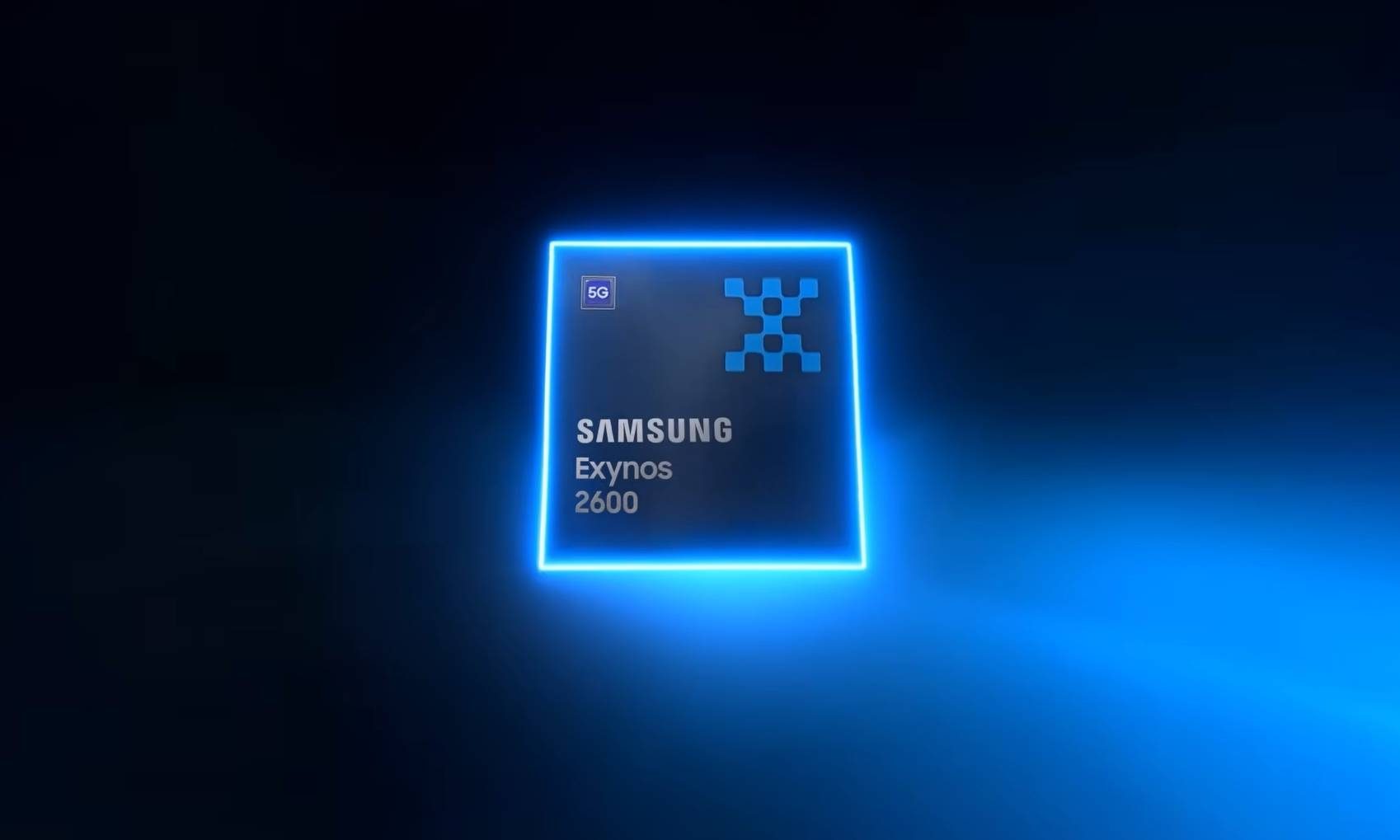
The Exynos 2600 is nearing release, but exactly which S26 series phones it'll feature in remains to be seen.
The next Exynos 2600 chipset

The chipset which will almost-certainly power at least some of the upcoming Galaxy S26 series has been announced, and while details are currently thin of the ground, Samsung is promising a significant upgrade over its predecessor.

Called the Exynos 2600, in a 30 second teaser-video Samsung claims the new Exynos chip has been "refined at the core", "optimized at every level" and will "express the exceptional".

Read more