1. Home
  2. Phones
  3. Apple
  4. Mobile
  5. News

Apple’s Activation Lock sends iPhones to the scrap heap instead of refurbishers

Add as a preferred source on Google

Apple’s Activation Lock, a security feature that deters thieves from stealing iPhones and iPads, is also responsible for limiting the number of devices that are refurbished, instead sending them to the shredders.

Activation Lock, launched several years ago with the iOS 7, blocks other people from using iPhones that have been lost or stolen. The feature, which automatically turns on when the owner activates the Find My app, requires the owner’s Apple ID and password in order to gain access to the device. Without the log-in credentials, the iPhone is rendered useless, preventing thieves looking to sell off the device to make a quick buck.

Recommended Videos

Unfortunately, Activation Lock is also stopping old iPhones from falling into the hands of people who are willing to purchase refurbished units.

“We receive [4,000 to 6,000] locked iPhones per month,” Peter Schindler, the founder and owner of Colorado-based electronics recycler and refurbisher The Wireless Alliance, told iFixit. Due to the Activation Lock not being properly deactivated, the iPhones are “parted out or scrapped,” instead of being refurbished and returned to the market as perfectly functioning devices.

For an iPhone to break free of the Activation Lock, its owner needs to sign out of iCloud and choose the Erase All Content and Settings option under the device’s Reset menu. If iPhone owners do not go through this process before letting go of the device, they are effectively giving away bricks.

The Wireless Alliance is just one of many recyclers and refurbishers in the world. Given the fact that it alone receives thousands of iPhones with Activation Lock still in place, it’s likely just a fraction of the electronic waste generated around the globe due to a lack of education about deactivating the feature before disposing of a device. Unfortunately, Macs will soon join that mound of e-waste, as MacOS Catalina introduces the Activation Lock to the computers.

To create more refurbished iPhones for customers to use, and to help prevent further pollution, Schindler suggest that Apple should allow certified recyclers and refurbishers to bypass the Activation Lock for iPhones that were not reported as lost or stolen, which makes up about 99% of the devices that his facility receives. As we wait for Apple to push forward a solution, the best way to address the issue is to educate iPhone owners regarding the need to eventually deactivate the security feature.

Aaron Mamiit
Aaron received an NES and a copy of Super Mario Bros. for Christmas when he was four years old, and he has been fascinated…
Galaxy Z Flip 8 vs. Motorola Razr Ultra (2026): Samsung’s flip phone is cheaper, but is it better?
One flip phone wins on value. The other wins on hardware.
Electronics, Phone, Mobile Phone

Flip phones have quietly become one of the most competitive corners of the smartphone market. It provides buyers with a satisfying folding snap, reducing the footprint to half the original size, and that’s the entire point. Motorola never really left the format after reviving the Razr name, while Samsung has spent generations treating the Flip line as its scrappy, budget-friendlier sibling to the Fold. 

This year, though, the gap between the two camps has narrowed to the point where picking a winner requires genuinely reading the spec sheet and learning about the phones before putting your money into one. One phone leans hard into raw display firepower, while the other leans into a deeper software ecosystem and a friendlier price tag. 

Read more
Samsung finally switched to silicon-carbon battery on Galaxy Z Fold 8. What’s so special about it?
One of Galaxy Z Fold 8’s biggest upgrade is hiding inside
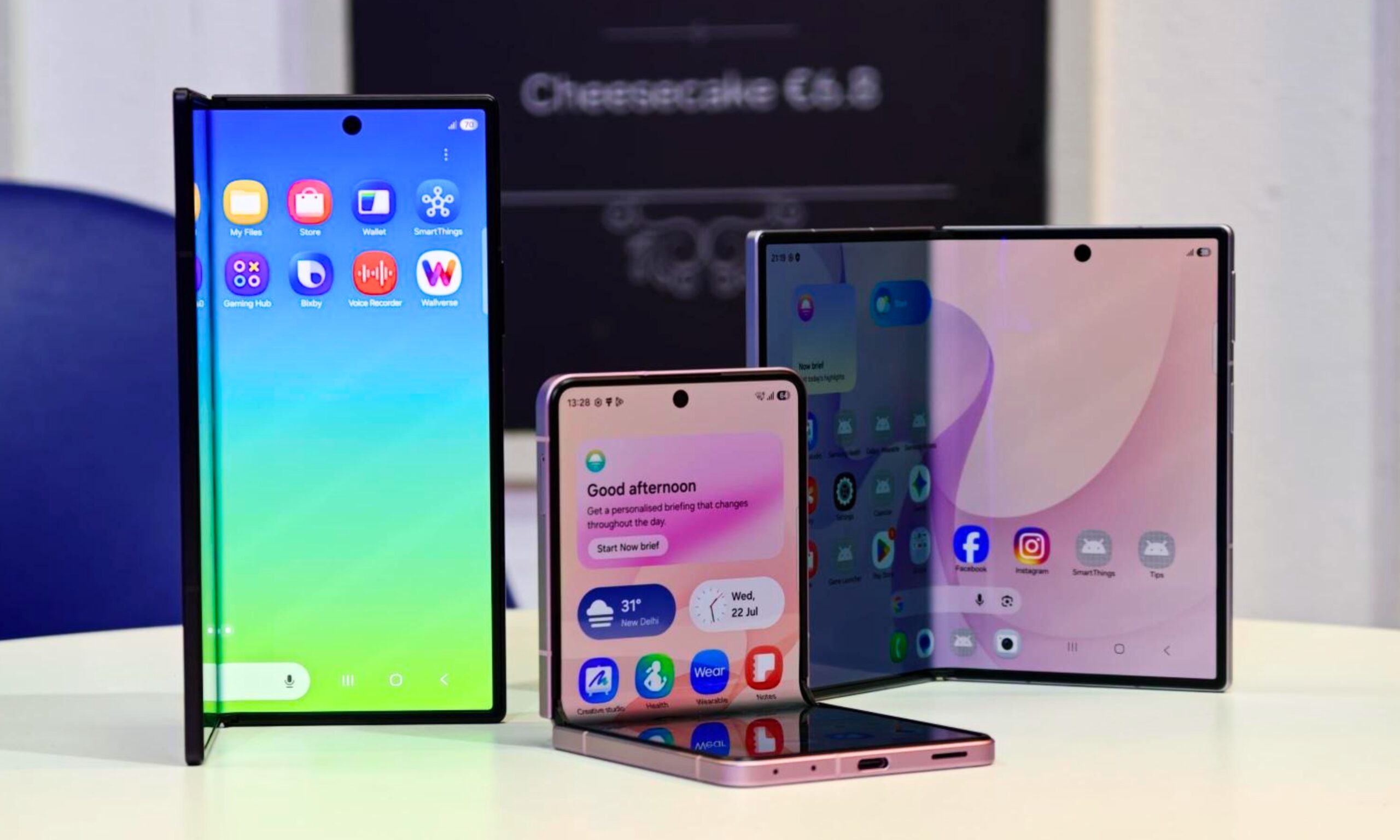
Galaxy Z Fold 8 Ultra with Fold 8

Samsung has finally joined the silicon-carbon battery race with its latest batch of premium foldables packing the new battery tech. But details for this change were rather hard to spot on the spec sheets. The company has confirmed during media briefings that the Galaxy Z Fold 8 Ultra, Galaxy Z Fold 8, and Galaxy Z Flip 8 all use silicon-carbon batteries.

Even then, the resulting capacities are hardly record-breaking. The Fold 8 Ultra carries a 5,000mAh battery, the regular Fold 8 gets 4,800mAh, and the Flip 8 has 4,300mAh. Rivals from Honor and Motorola have already crossed the 6,000mAh mark. But the figures only tell part of the story.

Read more
I’ve used foldable phones for years. Here’s how to pick the right one between the Galaxy Z Fold 8 and Flip 8
Samsung’s three new foldables solve very different problems
Galaxy foldables with its screen visible

After years of reviewing foldable smartphones, I have learned that choosing one involves much more than what looks pretty or how large you want. Book-style foldables are usually sold as productivity machines, while flip phones cater to people who value portability. Samsung’s latest lineup complicates that choice by introducing two very different book-style models alongside its familiar clamshell.

Most of their shared specifications fade into the background once you start using them. Their shapes and screens have a much greater impact on daily life. So here's how I'd make a decision when choosing between the new Galaxy Z Fold 8 Ultra, Galaxy Z Fold 8, and Galaxy Z Flip 8.

Read more