  1. Home
  2. Mobile
  3. Legacy Archives

AT&T Offers Budget Phones, Cloud Services for the Rest of Us

Add as a preferred source on Google

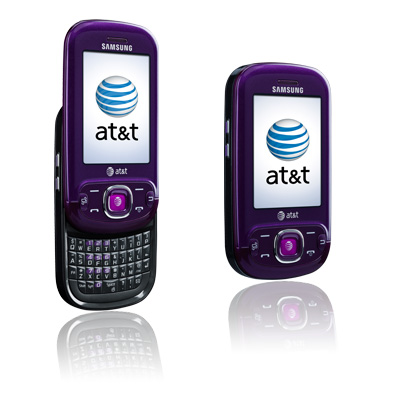
Samsung Strive Image used with permission by copyright holder


You don’t need a smartphone to harness the cloud. That’s the message AT&T is pushing with its latest batch of sub-$50 messaging phones and a slate of new Web-based services to go with them.

Recommended Videos

The so-called “Quick Messaging Devices” offer full QWERTY keyboards without the processing power – and price – of a full-fledged smartphone. Although this class of device typically doesn’t run the powerful mobile operating systems that make many advanced features possible, AT&T will add them with a new basket of address book, messaging and media features.

Both the enhanced address book and messaging features will be available free of charge. AT&T Address Book will allow users to store their contacts in the cloud, accessing them either from the phone or the Web, and making it possible to import contacts from services like e-mail. Next Generation Messaging will emulate the threaded conversation style of smartphones, as well as adding features like “reply all” and group messaging.

For $10 a month, AT&T Mobile Share will let users quickly move images and videos from their phones to the Web, and store them on a 250MB “AT&T Locker” to share with friends. The company will offer pay-per-use pricing of 35 cents per transfer, and an additional 10GB of storage space for $5 monthly.

Two of the new messaging phones come from Samsung, and the two from Pantech. The Samsung Strive and Sunburst, priced at $20 and $40 respectively, both offer vertical sliding designs and full QWERTY keyboards, with the Sunburst adding GPS, a touch screen, and a customizable widget bar. Both will arrive March 21. Pantech’s Link adopts a slim and lightweight candybar design, while the Pantech Pursuit will offer a sliding keyboard, touch screen, and even face recognition and geotagging for photos. Both will be available in the coming weeks with prices yet to be announced.
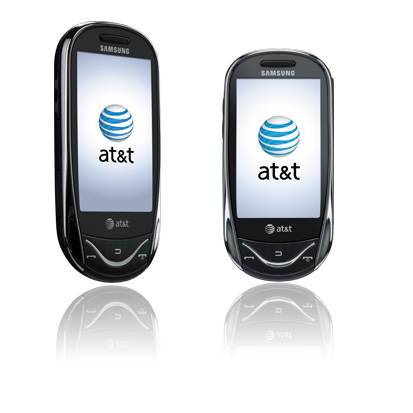
Samsung Sunburst Image used with permission by copyright holder
Nick Mokey
As Digital Trends’ Editor in Chief, Nick Mokey oversees an editorial team covering every gadget under the sun, along with…
Snapchat Planets Meaning: Order, Rankings, and How Friend Solar System Works
Snapchat Planets turns your best friends list into a solar system, and yes, your orbit says a lot
Snapchat Planets being shown on the Snapchat app on iPhone.

Snapchat+ includes several exclusive features, but few have generated as much curiosity as Snapchat Planets. Part of the app's Friend Solar System, it transforms your Best Friends list into a planetary ranking, assigning each of your top eight friends a planet based on how often you interact.

From Mercury, which represents your closest friend, to Neptune, which represents your eighth closest, the system offers a quick visual snapshot of your interactions. But what do the different planets actually mean, and how does Snapchat decide who gets which one?

Read more
How to use WhatsApp Web
We'll show you how to use WhatsApp on your desktop or laptop
WhatsApp Web

As one of the most popular messaging services, you’ve already heard of WhatsApp. From its humble beginnings in 2009—two years before Apple introduced iMessage—to its acquisition by Facebook (now Meta) in 2014, WhatsApp has become the dominant messaging platform around the globe.

In recent years, it's grown even more potent with new features like video messages, self-destructing voice messages, the ability to edit sent messages, and more. We even finally got an WhatsApp iPad app in May 2025.

Read more
What is WhatsApp? How to use the app, tips, tricks, and more
From setting it up to mastering hidden features, here is your complete guide to WhatsApp.
WhatsApp app store listing open on iPhone

There's no shortage of messaging apps out there. The past decade has given us more options than we know what to do with, largely because smartphones demanded something better than plain old SMS.

Both the App Store and the Play Store are packed with apps that promise to revolutionize the way we communicate. Most of them didn't make it. The truth is, a messaging app is only as good as the number of people using it, and most apps never cross that threshold.

Read more