  1. Home
  2. Computing
  3. Mobile
  4. Legacy Archives

HP may not abandon webOS software – execs scramble to figure out a plan

Add as a preferred source on Google
hp-webos
Image used with permission by copyright holder

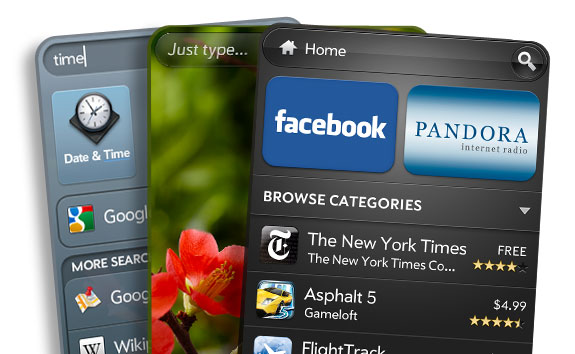
You’d think that a company like HP would figure out what it wants to do with webOS before it publicly discontinues all current and future products containing the operating system. You know, to avoid confusion. Well, no, apparently the decision was made with too much haste. According to ThisIsMyNext, HP held an all-hands meeting with the webOS team yesterday where newly appointed head of webOS Stephen DeWitt reiterated that HP still plans to work on webOS and will probably license it out. 

“We are not walking away from webOS,” DeWitt adamantly repeated during the meeting, perhaps pounding his fist on the table as he repeated the line (pure speculation). DeWitt had no plan yet on what exactly will happen to the smartphone operating system. He detailed out a plan to make a plan within the next two weeks, admitting that “Clearly, we don’t have all the answers today” to employees. 

Recommended Videos

During the meeting DeWitt said that staff reductions were coming and that he plans to keep people “that are serious about winning” onboard. He and HP VP Todd Bradley admitted that webOS was failing primarily due to bad hardware like the TouchPad, the immense failure of which forced HP to stop “trying to force non-competitive products into the market.” Apple Insider has reported that HP took a $100 million hit to take back unsold TouchPads from retailers. 

Licensing was brought up as an option, but Bradley noted that webOS is currently only usable on a single set of Qualcomm processors. It would need to be expanded far beyond that to make an effective business of licensing because not all vendors will care, or may be able to use the Qualcomm chip HP demands. 

So what the hell is going on at HP? We don’t really know, but it sounds like they don’t know either. What a mess. It’s sad that the company has chosen to publicly play games with the integrity of webOS, which had the potential to be one of the best and most successful mobile platforms on the market at one time. 

Jeffrey Van Camp
As DT's Deputy Editor, Jeff helps oversee editorial operations at Digital Trends. Previously, he ran the site's…
Intel just pulled its 14A production schedule forward by a year
Risk production for 14A is now planned for late 2027
Intel Core Ultra Desktop CPU

Intel has moved up the schedule for its next-generation 14A (1.4-nanometer) manufacturing process, giving its foundry turnaround an important new target.

During Intel’s Q2 2026 earnings call, CEO Lip-Bu Tan said 14A risk production for internal products is now planned for the second half of 2027. High-volume production is expected to begin in 2028. This is earlier than the previous timeline, when Intel was expected to begin risk production in 2028 and move to volume production in 2029.

Read more
Gemini Spark is no longer restricted to Google’s priciest Ultra tier
US subscribers on the $20 Pro plan can now try the AI agent, with a wider rollout expected soon.
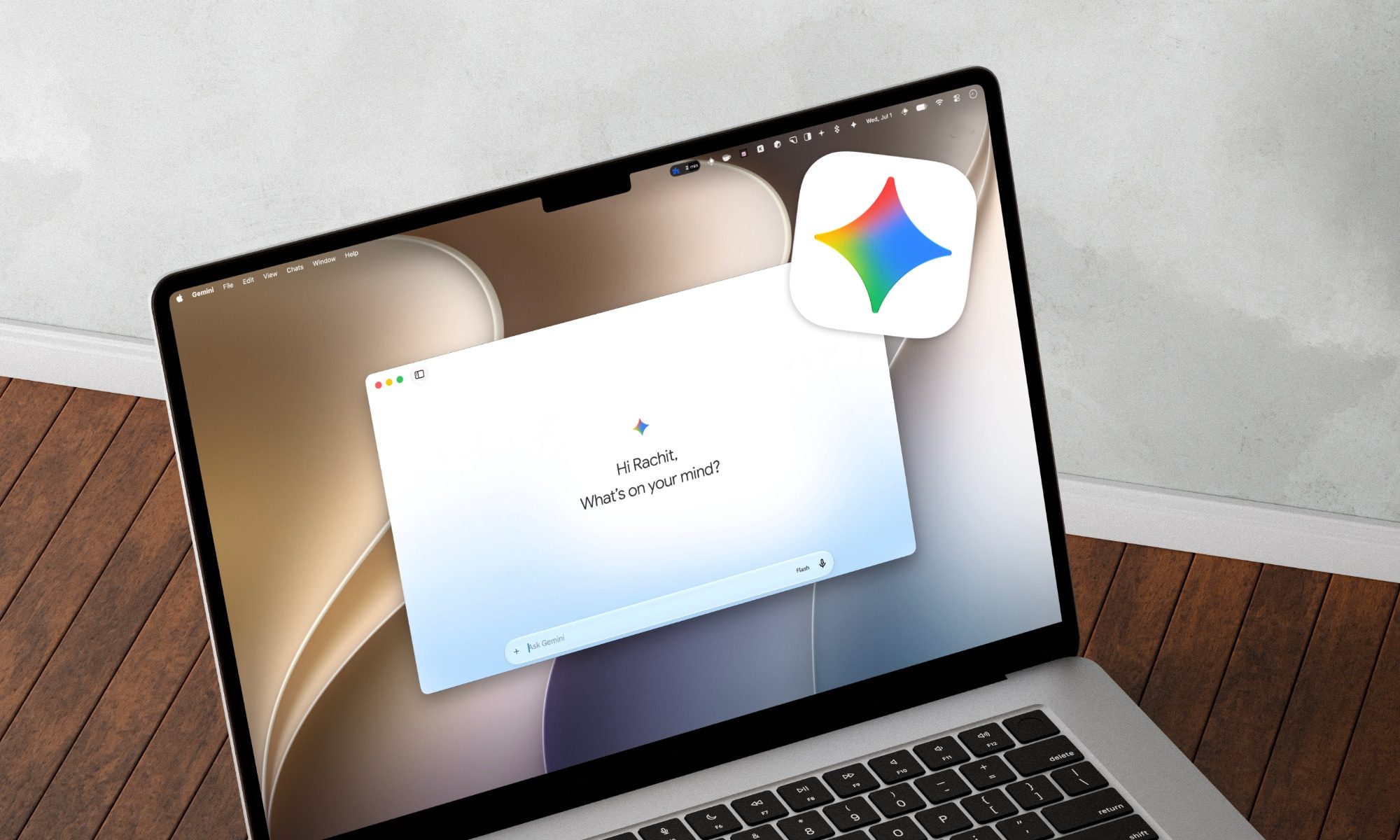
Gemini Spark mac app

Google AI Pro subscribers are finally getting access to one of the best features Google announced at I/O this May. Gemini Spark is rolling out to US users on the Pro tier, according to a recent post from the official Google Gemini account on X, with other countries expected to follow soon.

Gemini Spark handles tasks while you're away

Read more
LG agrees to kill McAfee pop-up on Windows PCs after Microsoft steps in
It's a quick fix, not a real one, since the pipeline that let LG install the pop-up is still wide open.
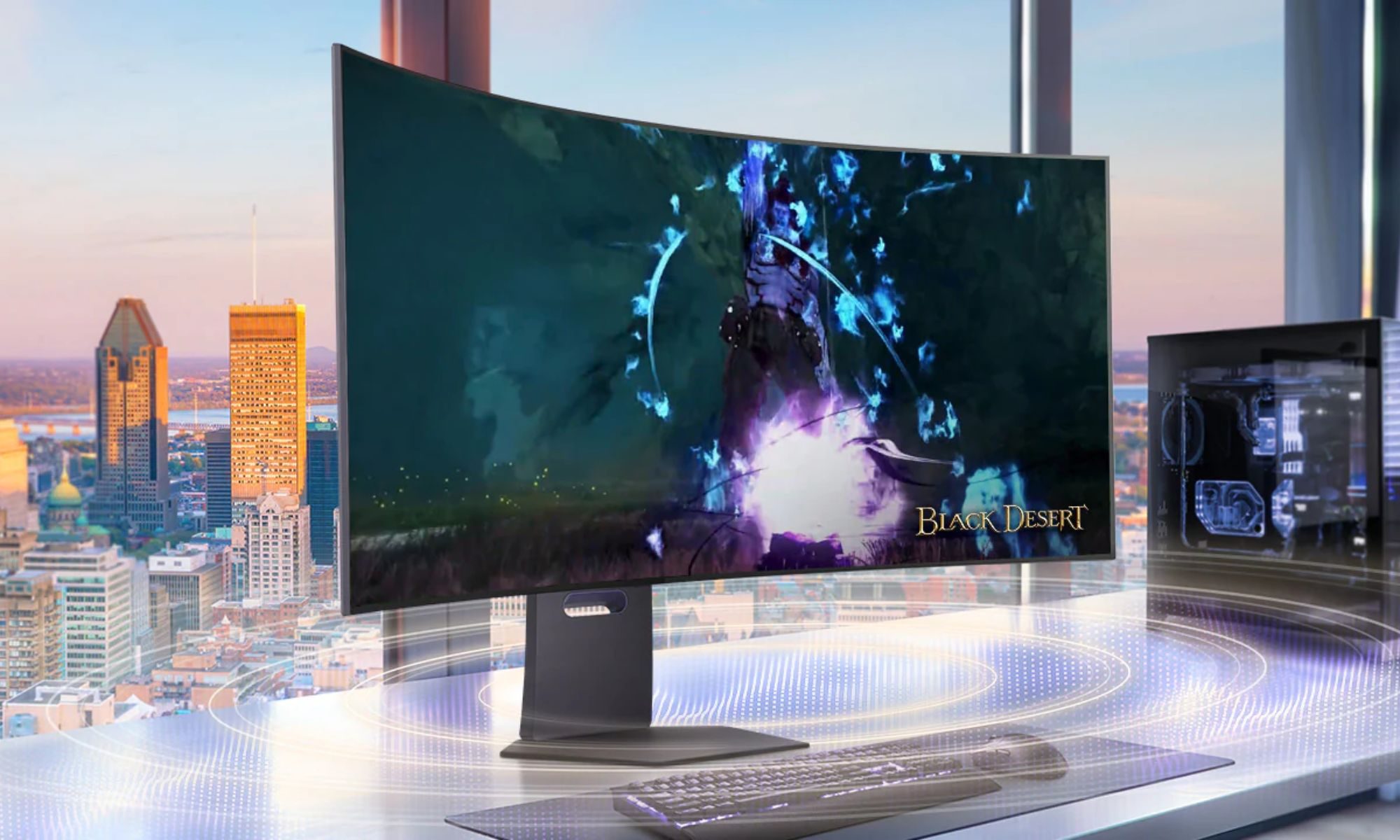
LG UltraGear 45gx950b

Plug in an LG monitor, and Windows might quietly install more than a driver. That's what several owners found out this month, when a pop-up promoting a McAfee antivirus trial appeared on their screens without a single consent prompt in sight. Microsoft has now stepped in, and LG says it's turning off the ad.

Where the pop-up came from

Read more