1. Home
  2. Phones
  3. Mobile
  4. News

New York City subways now have Wi-Fi and cellular service for all major carriers

Add as a preferred source on Google

Two government projects finished ahead of schedule and you can use them today if you ride the New York City subway. New York Governor Andrew M. Cuomo announced that Wi-Fi and cell phone service have both been installed sooner than planned with the last station going living Monday, January 9, 2017.

All four major cellular service carriers, including AT&T, Sprint, T-Mobile, and Verizon Wireless, now have coverage in the Metropolitan Transit Authority (MTA) underground stations, one year ahead of schedule. Wi-Fi had originally been scheduled for completion by the end of 2018. The Governor’s office said the early service availability happened because of an early 2016 directive from the Governor to speed up the two projects.

Recommended Videos

MTA Chairman and CEO Thomas F. Prendergast said, “Connectivity is a big deal for our customers, and we’re thrilled to be delivering these vital services so far ahead of schedule.

Thanking everyone involved, Governor Cuomo said, ““By bringing Wi-Fi and cell service underground ahead of schedule, we are reimagining our subway stations to meet the needs of the next generation. This will better connect New Yorkers who are on-the-go and build on our vision to reimagine the country’s busiest transportation network for the future.”

The project didn’t cost taxpayers or subway riders. Transit Wireless has a 27-year contract with the Metropolitan Transit Authority to design, build, operate, and maintain both W-Fi and cellular connectivity in the underground subway stations. The project cost Transit Wireless more than $300 million, which it will recoup with revenues from the network services. The revenues will be shared with the MTA.

Most underground stations had already been completed in 2016, with the final stations, Clark Street on the 2 and 3 line in Brooklyn, going live today. Stations currently under full renovation will go live when their renovations are completed.

According to Transit Wireless CEO William A. Bayne, “It has been an exciting challenge to build a modern technology infrastructure within a subway system that is over 100 years old, on behalf of the Transit Wireless organization, we are proud be part of such a unique accomplishment.”

Bruce Brown
Bruce Brown Contributing Editor   As a Contributing Editor to the Auto teams at Digital Trends and TheManual.com, Bruce…
I went hands-on with Samsung Galaxy Z Fold 8 Ultra. It’s peak foldable in an old garb. 
It may not look like a fresh start, but underneath the familiar chassis, there's plenty of thoughtful engineering tweaks.
Samsung Galaxy Z Fold 8 Ultra

Samsung just wrapped up its glitzy Unpacked event, revealing three new foldable phones and a pair of smartwatches. While my heart flutters for the pocketable Galaxy Z Fold 8, it’s the Ultra variant that truly feels like a refinement. Interestingly, when you look at the Galaxy Z Fold 8 Ultra for the first time, you might mistake it for the Galaxy Z Fold 7.

Both of them look identical, and Samsung has not made any visible changes on the Galaxy Z Fold 8 Ultra for it to stand out from its predecessor. Color options, obviously, are fresh this time around, but there are a few changes that have been made under the hood, and they make this phone feel like a practically rewarding iteration.

Read more
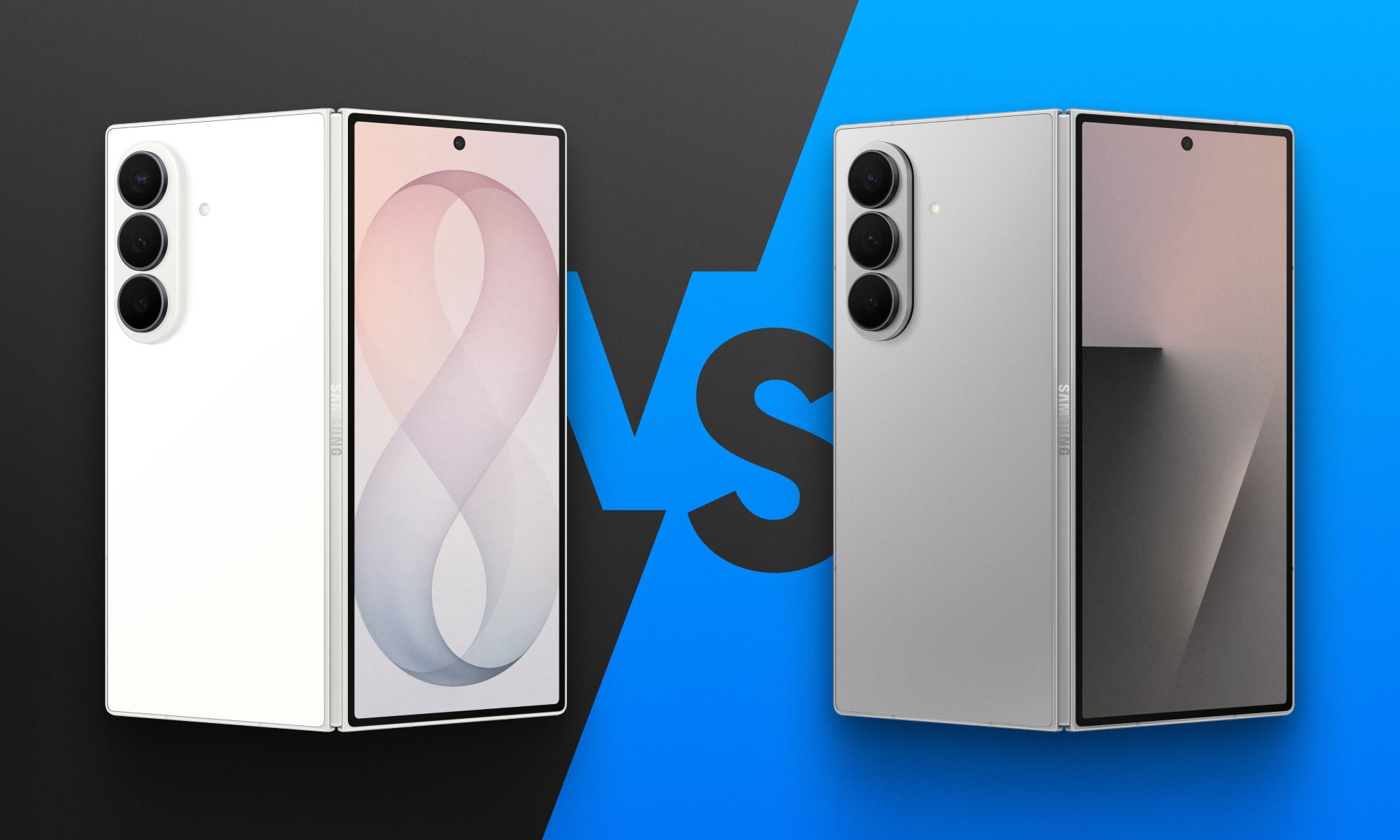
Fold 8 Ultra vs. Fold 7: Upgrades across the board, but is the Ultra really worth the upgrade?
From battery capacity to camera hardware, here's a full comparison between the Galaxy Z Fold 8 Ultra and Galaxy Z Fold 7, and whether upgrading actually makes sense.
Galaxy Z Fold 8 Ultra vs. Fold 7

Foldables age differently than regular smartphones or flagships. But why do I say this? It's the hinge and the foldable aspect that wins buyers over in the first place, not the specifications that get outdated every single year. That's precisely why anyone still carrying last year's Galaxy Z Fold 7 is asking a fair question today: does Samsung's freshly unveiled Z Fold 8 Ultra genuinely earn an upgrade, or does the Fold 7 still hold its ground?

And for shoppers who skipped last year's model entirely and are weighing their first foldable purchase, the calculus is totally different. A now-discounted Fold 7 might undercut the Ultra by a considerable sum, and that could matter to those looking to spend on the form factor, not the latest specifications. 

Read more
Samsung makes it easier to run multiple apps on Galaxy Z Flip 8’s cover screen
Samsung's Galaxy Z Flip 8 now runs 16 apps on its cover screen.
Galaxy Z Flip 8 cover display

Samsung is finally making the Galaxy Z Flip's cover screen much more useful. With the new Galaxy Z Flip 8, you no longer have to rely on workarounds to access more apps without unfolding the phone. Instead, Samsung has expanded native support on the FlexWindow, allowing 16 apps to run directly on the outer display and also making it much easier to launch virtually any other app.

The update addresses one of the biggest complaints Flip users have had for years and brings Samsung up to the level of rivals like Motorola, whose Razr series has long offered a more flexible cover screen experience.

Read more