  1. Home
  2. Mobile
  3. Wearables
  4. News

Sony’s latest concept smart eyewear can be fitted to any glasses, will be demoed at CES

Add as a preferred source on Google

Sony has revealed the latest version of its SmartEyeglass concept smart eyewear, and this model could solve one of the biggest problems with Google Glass – what to do when you really like your own glasses. Sony’s solution is to make its smart eyewear clip on to your existing specs, whether they’re prescription or regular sunglasses, without the need for special frames. Not only does this solve any fashion problems, but also when you’re finished using them, or want to remove them when driving or in a meeting, you don’t have to have a second pair of spectacles on hand.

Sony SmartEyeglass Concept Clip
Image used with permission by copyright holder

The system, which Sony is calling a Single-Lens Display Module, attaches to the arms of a pair of glasses, and is supported by a band around the back of the wearer’s head. One one side is the primary unit, which contains the processor, sensors, and other hardware, and on the other is the battery pack. The primary module is connected to a small screen which extends out in front of the eye, just like Google Glass.

Recommended Videos

Sony has chosen an OLED microdisplay for its smart eyewear. Measuring a tiny 0.23 inches, it still manages a 640 x 400 pixel resolution, and is the equivalent of viewing a 16-inch display at a distance of two meters. Sony has worked hard to improve the display quality, saying the image will remain visible regardless of lighting conditions, and show deep blacks and rich colors. The quoted contrast ratio is 10,000:1.

The primary module weighs 22 grams, and connects using Bluetooth 3.0 or Wi-Fi. Although it’s not mentioned in the specs, it looks like the unit has a camera lens. Sony has placed the 400mAh battery in another module, which is mounted on the other arm to counterweight the setup. In total, the package will add 40 grams to your glasses. In comparison, Google Glass weighs around the same when attached to Google’s prescription frames.

Sony SmartEyeglass Concept Screens
Image used with permission by copyright holder

Ideal for sports

Sony envisages its smart eyewear being used in sports, such as evaluating form in tennis or a golf swing, or for work purposes when a hands-free device can help increase productivity. It’s producing a software development kit for developers to create apps to increase functionality, and also plans to expand the connectivity, so it’ll link up with devices other than smartphones.

The Single-Lens Display Module isn’t a final product just yet, but Sony wants to have it in production by the end of 2015. We won’t have to wait very long to hear more about it though, and the company will give the device its first public outing at CES in January. It’s calling the concept the SmartEyeglass Attach, and the demonstration will apparently be centered around sporting activities.

DigitalTrends will be at the Las Vegas show, and will bring you all the SmartEyeglass news as it’s revealed.

Andy Boxall
Andy has written about mobile technology for almost a decade. From 2G to 5G and smartphone to smartwatch, Andy knows tech.
The best note-taking apps for iOS and Android
I tested these apps for months so your notes never have to switch homes again.
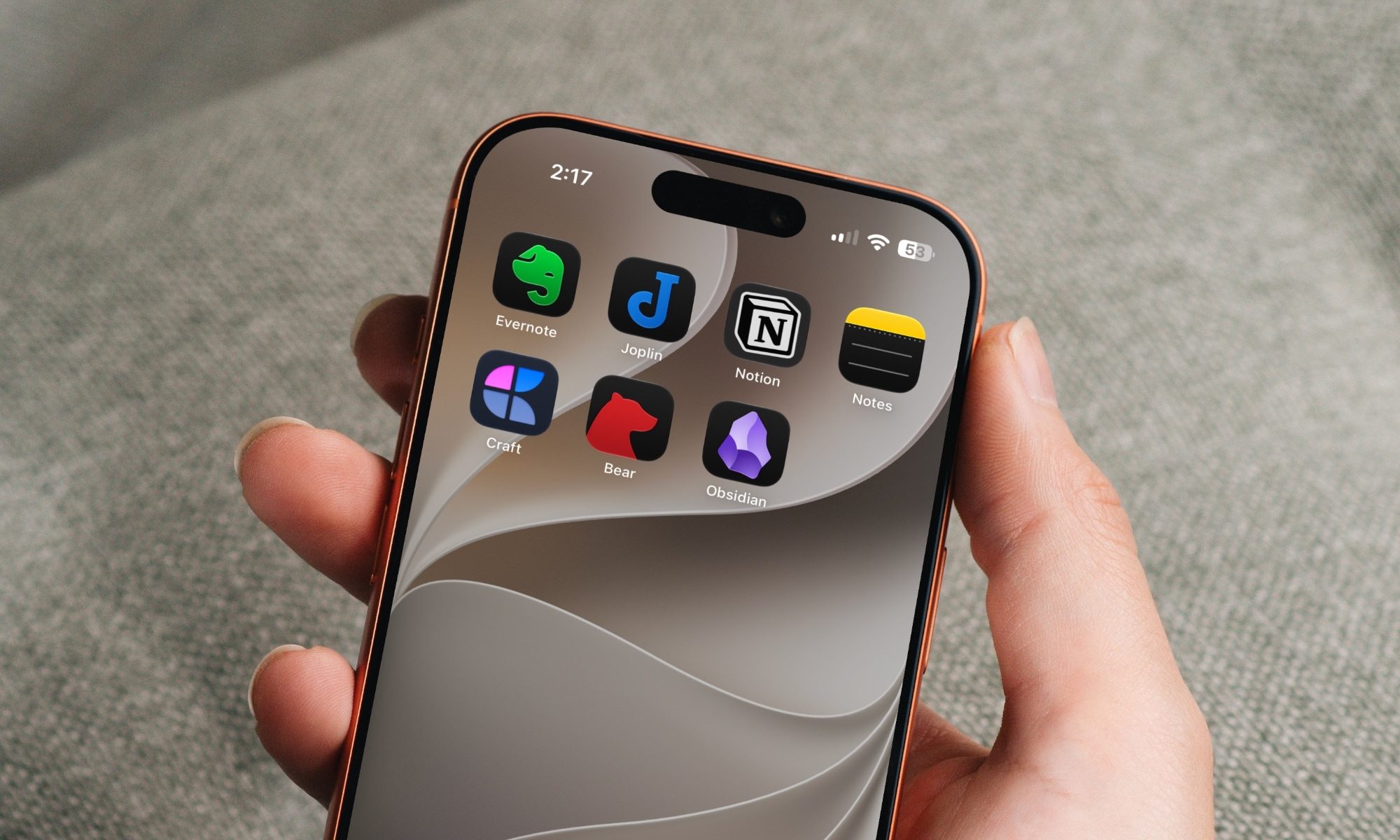
iPhone showing note-taking apps

Choosing a note-taking app is not easy. What note-taking app you choose depends on your needs, the platform you use, and of course, the cost. The process becomes even more complicated as it seems that there’s a new shiny app released every other week. 

That’s why I always suggest choosing a note-taking app that has all the features you need and can last you for a long time. Also, don’t chase new apps. The real power of a note-taking app comes when all your notes live in one place, making it easy to spot connections between them.

Read more
The best phones in 2026: our 14 favorite smartphones right now
We tested phones across all price brackets so that you can make the best pick based on your needs and budget.
Google Pixel 10 Pro Fold vs Galaxy Z Fold 7 cameras

Choosing the right smartphone in 2026 is no easy task. Apple and Android manufacturers now have strong options at almost every price, while better cameras, longer battery life, improved software support, new AI features, and more refined foldable designs have made the market more competitive than ever. But picking one is not easy, especially if your budget is tight, or you are just legitimately concerned about getting the best value for your money and need a reliable daily driver for long-term usage.

We have tested and compared the leading smartphones available today, looking beyond the spec sheet to see how they actually perform in daily use. Camera quality, battery life, performance, display quality, software, design, and long-term value all play a part in our recommendations. Whether you are looking for a powerful flagship, a dependable budget phone, a compact device, or a foldable, this guide should help narrow down your choices.

Read more
Snapchat Planets Meaning: Order, Rankings, and How Friend Solar System Works
Snapchat Planets turns your best friends list into a solar system, and yes, your orbit says a lot
Snapchat Planets being shown on the Snapchat app on iPhone.

Snapchat+ includes several exclusive features, but few have generated as much curiosity as Snapchat Planets. Part of the app's Friend Solar System, it transforms your Best Friends list into a planetary ranking, assigning each of your top eight friends a planet based on how often you interact.

From Mercury, which represents your closest friend, to Neptune, which represents your eighth closest, the system offers a quick visual snapshot of your interactions. But what do the different planets actually mean, and how does Snapchat decide who gets which one?

Read more