1. Home
  2. Phones
  3. Android
  4. Apple
  5. Business
  6. Mobile
  7. News

Nearly 1.5 billion smartphones were sold in 2016, a 5 percent increase from 2015

Add as a preferred source on Google

The Galaxy Note 7 is still hurting Samsung — Apple has surpassed the South Korean giant in selling more smartphones globally in the fourth quarter of 2016.

To be more precise, Apple sold 77.04 million smartphones in the fourth quarter, according to estimates from Gartner. The Cupertino, California, company has a thin lead, though, as it only sold 256,000 more than Samsung’s  76.78 million units.

Recommended Videos

It’s the second quarter in a row that Samsung has seen falling sales, all likely due to the Galaxy Note 7 recall. On the flip side, this is the first time since the fourth quarter of 2014 that Apple is in the lead — the bump at the time came from strong sales of the iPhone 6 and the introduction of the 6 Plus.

This time around, sales of the iPhone 7 and 7 Plus certainly are helping, but Gartner said Apple benefited “from the weakened demand for Samsung’s smartphones in mature markets such as North America and western Europe, and in some mature markets in Asia such as Australia and South Korea.” Samsung’s smartphone sales are estimated to have dropped eight percent in the fourth quarter.

It’s not all good news for Apple, though. Google’s Android operating system captured nearly 82 percent of the total market share during the quarter — a one percent increase from the fourth quarter of 2015. Apple only saw a 0.2 percent bump to 17.9 percent year-over-year.

Windows Mobile fell 0.8 percent to 0.3 percent market share, during the quarter, making any sort of comeback for the OS incredibly challenging. BlackBerry hit a zero percent market share, though it still managed to sell a few devices — the company recently switched to the Android operating system over its own BB10 OS.

For 2016 as a whole, Android grew 3.2 percent to reach a dominating 84.8 percent market share. Smartphone sales in general saw a five percent bump from 2015, totaling nearly 1.5 billion units.

Competition is heating up in China, but BBK Electronics — which owns smartphone brands such as Vivo, Oppo, and OnePlus — seems to have maintained its second place position in the country. The company was “marginally ahead of Huawei in the fourth quarter of 2016,” and it has seen exceptional growth in India. BBK is now the fifth on the list of top smartphone vendors.

Oppo operates independently from BBK, and the brand has held onto its top position in China during the fourth quarter. It sits ahead of BBK on the list of top smartphone vendors.

Julian Chokkattu
Former Mobile and Wearables Editor
Julian is the mobile and wearables editor at Digital Trends, covering smartphones, fitness trackers, smartwatches, and more…
I went hands-on with Samsung Galaxy Z Fold 8 Ultra. It’s peak foldable in an old garb. 
It may not look like a fresh start, but underneath the familiar chassis, there's plenty of thoughtful engineering tweaks.
Samsung Galaxy Z Fold 8 Ultra

Samsung just wrapped up its glitzy Unpacked event, revealing three new foldable phones and a pair of smartwatches. While my heart flutters for the pocketable Galaxy Z Fold 8, it’s the Ultra variant that truly feels like a refinement. Interestingly, when you look at the Galaxy Z Fold 8 Ultra for the first time, you might mistake it for the Galaxy Z Fold 7.

Both of them look identical, and Samsung has not made any visible changes on the Galaxy Z Fold 8 Ultra for it to stand out from its predecessor. Color options, obviously, are fresh this time around, but there are a few changes that have been made under the hood, and they make this phone feel like a practically rewarding iteration.

Read more
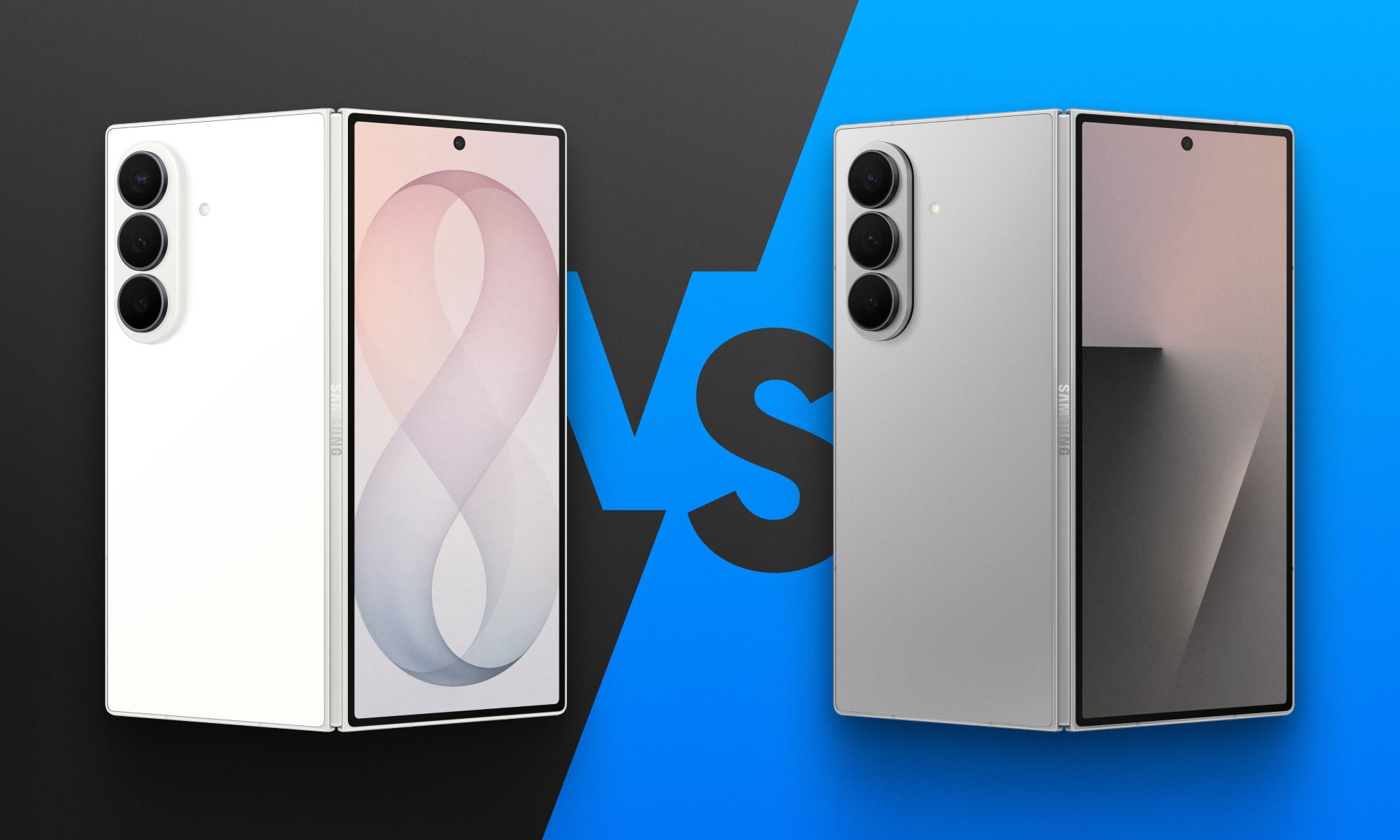
Fold 8 Ultra vs. Fold 7: Upgrades across the board, but is the Ultra really worth the upgrade?
From battery capacity to camera hardware, here's a full comparison between the Galaxy Z Fold 8 Ultra and Galaxy Z Fold 7, and whether upgrading actually makes sense.
Galaxy Z Fold 8 Ultra vs. Fold 7

Foldables age differently than regular smartphones or flagships. But why do I say this? It's the hinge and the foldable aspect that wins buyers over in the first place, not the specifications that get outdated every single year. That's precisely why anyone still carrying last year's Galaxy Z Fold 7 is asking a fair question today: does Samsung's freshly unveiled Z Fold 8 Ultra genuinely earn an upgrade, or does the Fold 7 still hold its ground?

And for shoppers who skipped last year's model entirely and are weighing their first foldable purchase, the calculus is totally different. A now-discounted Fold 7 might undercut the Ultra by a considerable sum, and that could matter to those looking to spend on the form factor, not the latest specifications. 

Read more
Samsung makes it easier to run multiple apps on Galaxy Z Flip 8’s cover screen
Samsung's Galaxy Z Flip 8 now runs 16 apps on its cover screen.
Galaxy Z Flip 8 cover display

Samsung is finally making the Galaxy Z Flip's cover screen much more useful. With the new Galaxy Z Flip 8, you no longer have to rely on workarounds to access more apps without unfolding the phone. Instead, Samsung has expanded native support on the FlexWindow, allowing 16 apps to run directly on the outer display and also making it much easier to launch virtually any other app.

The update addresses one of the biggest complaints Flip users have had for years and brings Samsung up to the level of rivals like Motorola, whose Razr series has long offered a more flexible cover screen experience.

Read more