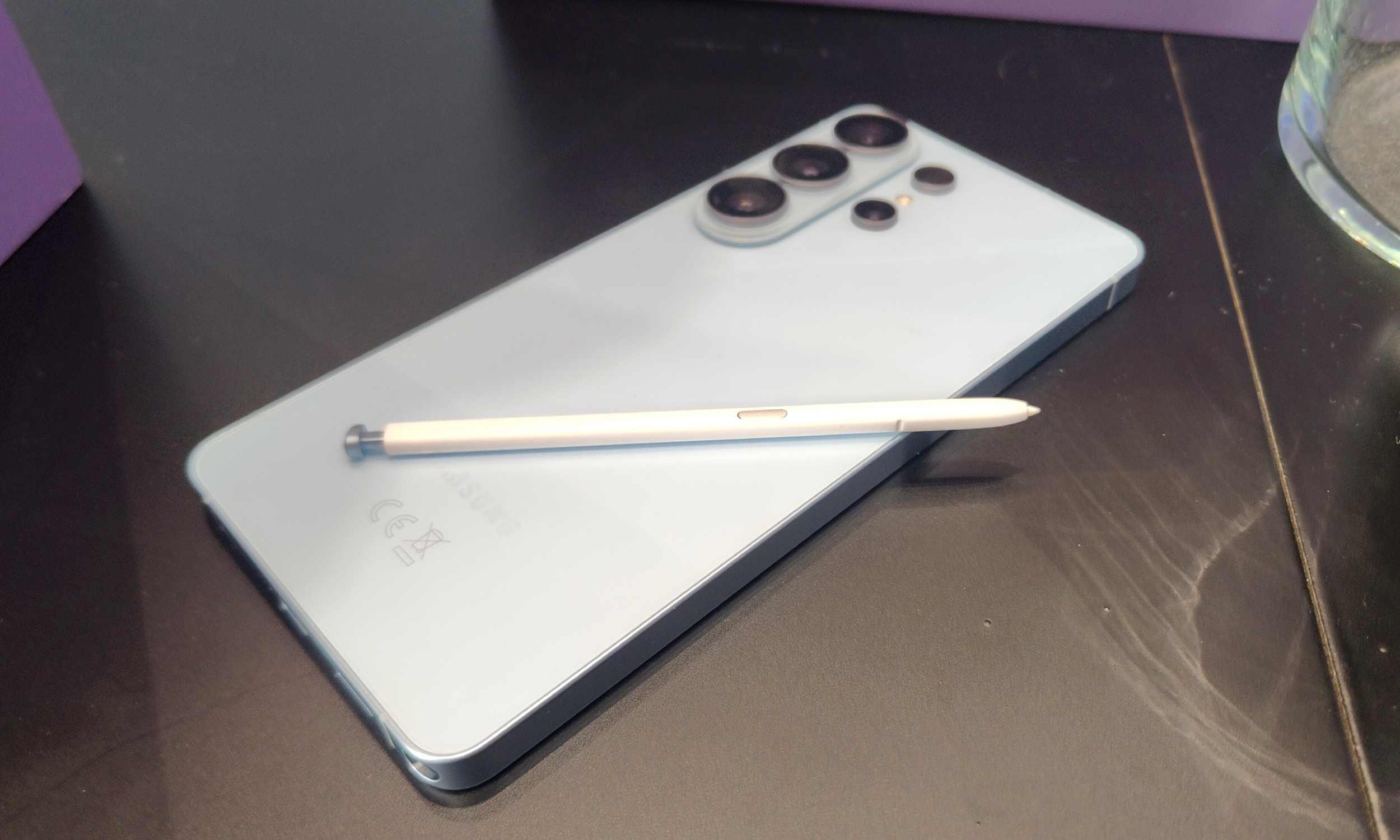
Google’s keynote address at I/O 2014 was full of announcements — and unwanted protesters — but few details were enticing as those pertaining to the finalized version Android Wear, the first operating system made exclusively for smartwatches. Though initially hinted at during Google’s SXSW showcase, the tech giant also unveiled the newly-announced Samsung Gear Live during its live press conference, while additionally showcasing the forthcoming Android Wear running on three wearable devices (the Samsung Gear Live, LG G Watch, and the Moto 360).
Among other features, Android Wear will be able to show real-time notifications and respond to voice commands, as well as provide fitness summaries and feature cross-platform synchronization with your Android device. The forthcoming software will ship on the Samsung Gear Live on July 7, and on the LG G Watch and Moto 360 sometime during summer 2014. However, how does the mobile OS’s fitness and lifestyle features stack up against those adorning the lauded Pebble Steel? Check out our side-by-side comparison below for a quicker look at how the Google’s OS and Pebble’s smartwatch stack up against one another.
Updated June 26, 2014 by Emily Schiola and Brandon Widder: New information unveiled at Google I/O 2014 has been added, pertaining to the LG G Watch, Android “L,” and various Android Wear features.
|
|
Android Wear 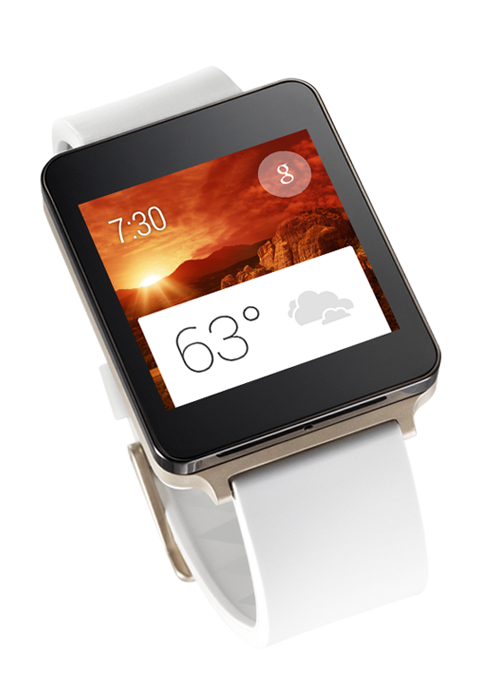 |
Pebble Smartwatch  |
| Interface design | Circular rectangular, depending on watch manufacturer | Rectangular, 50.3 x 32 x 8.4 (mm) |
| Color LCD | Yes | No |
| Health and fitness monitoring | Yes | Yes |
| Water Resistant | Yes, depending on watch manufacturer | Yes |
| App Friendly | Yes | Yes |
| Voice control | Yes, via Google Now | No |
| Smartphone compatibility | Android L+ | iOS 5+, Android 2.3+ |
| Marketplace | Google Play | Pebble app store |
| Development kit available | Yes | Yes |
| Price | $200-$300, depending on watch manufacturer | $150 and $249 |
| Availability | July 7 (Samsung Gear Live), LG G Watch and Moto 360 to follow in summer 2014 | Available Now |
Google’s release of Android Wear’s development kit gives us a little more info into this exciting piece of wearable technology.Android Wear offers what Google calls the “context stream,” which is vertical list of cards. Cards appear one at a time showing different things you might want to see, like the time, weather, texts, emails, directions, or other actions. It’s streamlined from what Android phones offer, but far more robust than the Pebble. Android Wear will also offer multiscreen functionality, which means you can use voice commands to access Google Chromecast or play music on your phone.
Android Wear is designed from the ground up to accommodate cross-platform syncing with your smartphone, allowing any action you carry out on watch to automatically occur within the accompanying app on your smartphone (and vice versa). For instance, notifications will automatically disappear from your Android phone whenever you swipe away a notification directly on your watch. Other cards, such as those detailing your flight itinerary, will also automatically appear on your smartwatch as well. Smartwatch updates and downloads will even automatically install once you sync the device with your smartphone, so you’ll never have to seek out the latest version of the mobile software.
Though the Pebble features its own app collection, the device isn’t as integrated with your smartphone by any means. Apps such as Yelp and Foursquare represent some of the best, yet they remain incredible rough, with some even requiring you to install an extra “companion” app for proper control. Also, although Pebble will notify you of every message you receive on your smartphone, notifications won’t automatically appear when it is deemed appropriate as they will on Android Wear.
So far, there are three Android Wear watches available, the Gear Live, LG G Watch, and the Moto 360. All three feature different specifications, each of which easily trumps the Pebble’s simplistic design and black-and-white LCD screen. For instance, the LG G Watch features a 1.65-inch IPS LCD, a Snapdragon 400 processor, a 400 mAh battery, and nine axes (accelerometer, compass, gyro, etc.). Both smartwatches offer a waterproof exterior, Bluetooth 4.0, customizable interfaces, and LED backlighting, but the LG G Watch trumps the Pebble in terms of sheer processing power and display capabilities. Again, Android Wear-equipped watches will vary from manufacturer upon their debut, but most of them will likely feature a design far more attractive and than Pebble’s latest offering.
That said, Pebble may have a leg up by going a little lower-tech. Its apps do not have touch or color, but while they don’t impress on a spec sheet, many of them serve the device well. The ability to connect to both iOS and Android gives Pebble users more flexibility and the long battery life means you don’t have to charge it every night like you might have to with Android Wear and its flurry of high-resolution, color, touchscreen watches. Android Wear may also face a price issue, given the LG G Watch is set to retail for $230 and we can expect future smartwatches equipped with Android Wear to be similarly priced.
The bottom line
Android Wear and the Pebble smartwatch both rely on apps and smartphone integration to provide a (hopefully) seamless user experience. However, there’s a good chance that both offerings could evolve together considering both offer development kits and represent products within a relatively new field. As the Pebble app library continues to grow, so will its functionality. One setback of the the Pebble is that it can only hold eight apps. The Android Wear, likely has the edge here, but the next Pebble probably isn’t far off.
This article was originally published on 3-23-2014 by Joe Donovan.