1. Home
  2. Phones
  3. Mobile
  4. News

Your Apple iTunes listening data is only worth about 8 cents, lawsuit claims

Add as a preferred source on Google
itunes on an iPhone lifestyle image
Chun Christopher Wong/Getty Images

Your most embarrassing musical secrets may be worth just 8 cents, according to a recent lawsuit filed against Apple.

The suit, filed Friday in the United States District Court for the Northern District of California, claims that Apple sells customers’ iTunes listening data to third-party companies. The documents revealed just how little your musical preferences might actually be worth on the open market.

Recommended Videos

The lawsuit cites a company called Carney Direct Marketing, which advertised iTunes and Pandora user data at a base price of $80 per thousand records — or 8 cents per user in the database. Carney Direct Marketing offers additional demographic data — including age, education, gender, geography, household income, marital status, and presence of children — for added fees ranging from .8 to 1 cent per user. That’s $8 to $10 per thousand users.

Though it is not clear how many brokers had access to this iTunes data, the suit names another company, SDRS, which offered similar pricing and demographic information for the same base price of 8 cents per user.

The suit alleges that this information could prove valuable to companies looking to target particularly vulnerable people, including the elderly.

“For example, any person or entity could rent a list with the names and addresses of all unmarried, college-educated women over the age of 70 with a household income of over $80,000 who purchased country music from Apple via its iTunes Store mobile application,” the lawsuit says. “Such a list is available for sale for approximately $136 per thousand customers listed.”

It may not have specifically been Apple selling your data, but rather that the company enabled third parties access, and the subsequent ability to monetize the sale of the data. The lawsuit alleges that Apple disclosed personal listening information to developers, who in turn disclosed that information to other parties for profit. This data was made available to third parties via the company’s MediaPlayer Framework API, which was used by developers alongside the company’s iOS SDK, according to the suit.

The lawsuit states that this allowed developers to “grant themselves access to metadata that identifies the titles of all the songs that a particular user of their application has purchased on iTunes.”

According to the lawsuit, the amount of information that the MediaPlayer Framework API allowed developers to access was “so invasive” that a developer named Ben Dodson submitted a bug report to Apple about it in early 2016. Dodson described the issue as a “security hole” by which, “[a]ll metadata can be pulled from the [iTunes] library without the user knowing.”

The issue was not addressed in the iOS 10.0 update, which went live eight months later, according to court documents, with Apple instead opting to inform users that their iTunes libraries may be accessed by developers of mobile applications.

The fact that such vast amounts of data could be made so readily available to developers is particularly shocking in light of Apple’s recent initiative to promote itself as a privacy-focused company.

Apple, Pandora, and Carney Direct Marketing did not respond to requests for comment.

Parker Hall
Former Senior Writer, Home Theater/Music
Parker Hall is a writer and musician from Portland, OR. He is a graduate of the Oberlin Conservatory of Music in Oberlin…
Stop fighting with your roomie over outlets and get one of these multi-port chargers before you head back to school
One plug, zero drama, all your devices charged by morning.
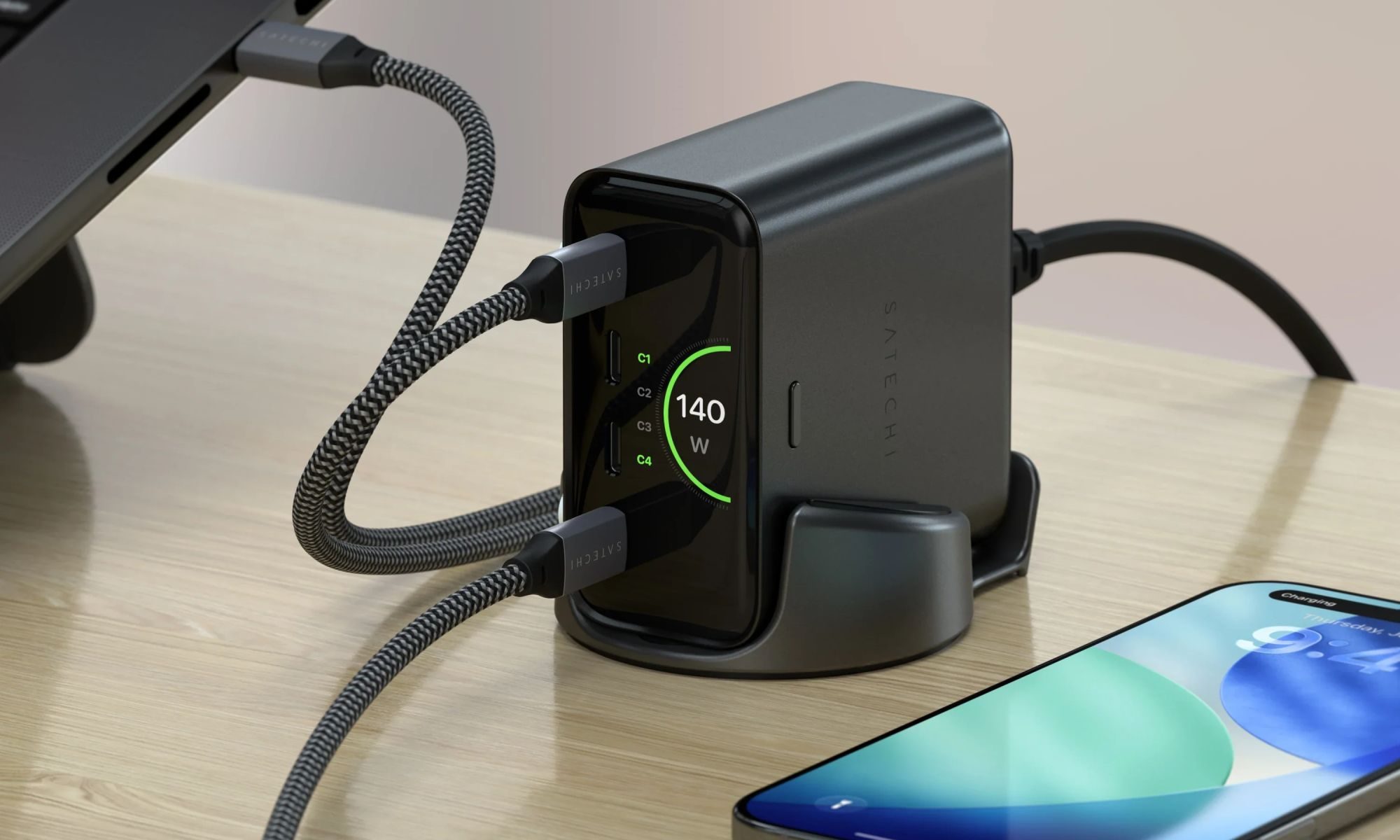
Satechi ChargeView

Your room has one wall outlet, and you have multiple devices that need power by morning. Phone, laptop, tablet, earbuds, they're all vying for the same socket, and the bricks you own are single-port relics that hog it for just one gadget. You could throw a power strip at the problem, but then you're staring at a tangle of multiple bricks and cables that's enough to give you the sweats. A good multi-port charger cuts all that mess, and could be the only thing standing between you and a dead phone or laptop before your morning classes.

Back-to-school season is a smart time to buy one. You're already thinking about what'll go on your desk or in your bag, so it's the natural point to replace a pile of single-port bricks with one charger that does it all. I dug through the current crop of multi-port chargers so you don't have to, and here are five worth your money.

Read more
Back-to-school phone shopping on a tight budget? Here’s the one phone I’d recommend without hesitation
The budget phone market got messy this year, but one phone still makes sense.
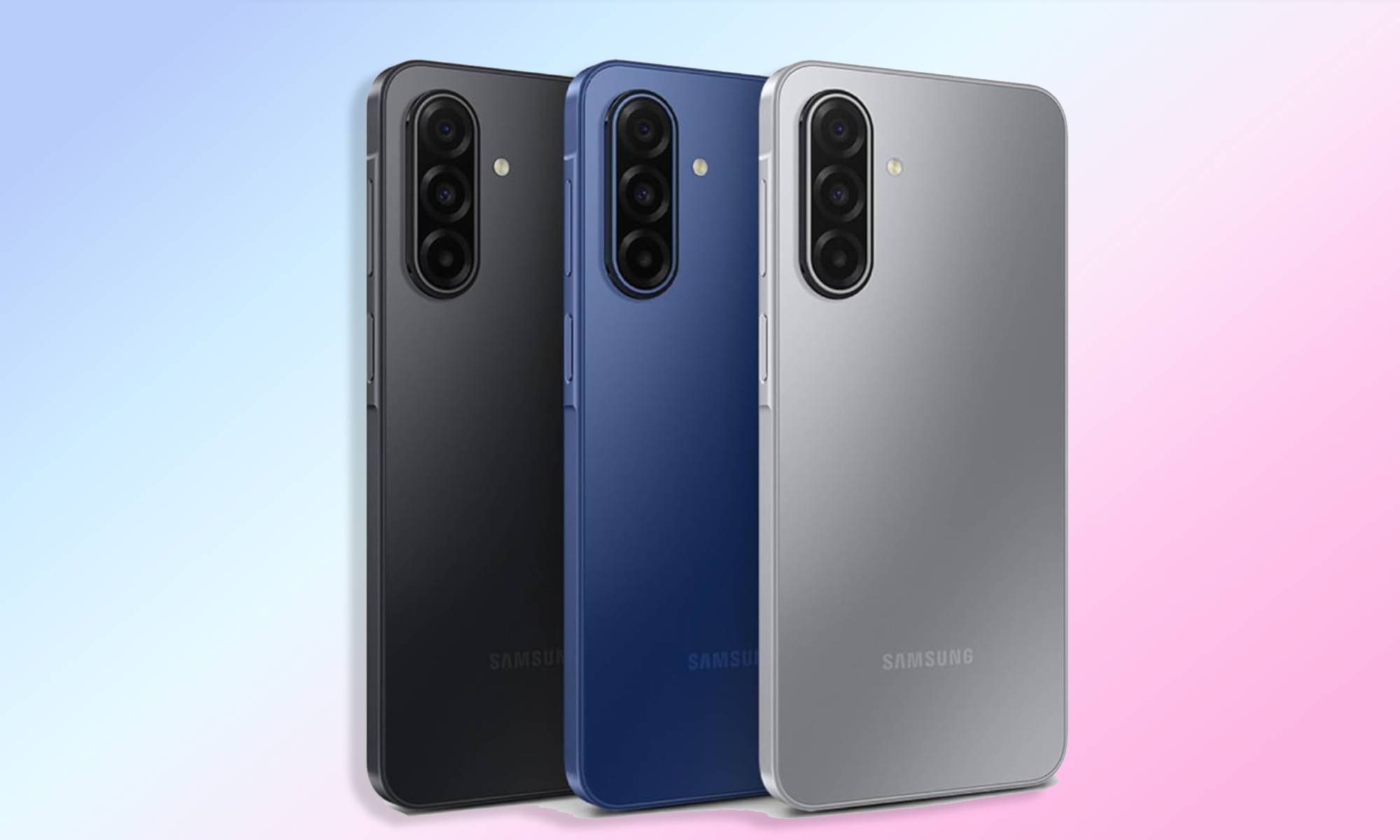
Galaxy A17 in all colors on gradient background

Somewhere between the last day of school and the first day back, your phone conked out. Perhaps the screen shattered after a particularly nasty fall, or its battery regularly gives up by noon, or apps take so long to launch that by the time they do, you've forgotten why you opened them in the first place. You don't think it'll last another school year, but between all the school supplies and everything else, a budget phone is all your wallet can handle right now.

Fortunately for you, cheap phones have come a long way, offering better screens, bigger batteries, and more capable cameras than devices launched just a couple of years ago. Since you're already prepping to head back to school, this is as good a time as any to lay your old phone to rest and lock in an upgrade. But unfortunately, the timing isn't great for the smartphone industry in general, and that has had a real impact on entry-level phones.

Read more
5 mid-range phones I’d recommend you spend your Back-to-School budget on
From the Pixel 10a to the Moto G Power 2026, these five phones prove you don't need flagship money for a great back-to-school upgrade.
Electronics, Mobile Phone, Phone

Does your phone have a cracked screen? A battery that barely makes it past 3 PM? Or a camera that captures a blurry mess instead of great memories? You know it's high time for a new one, and right now, while you're shopping for the new school year, is probably the best time to make the switch.

The best part is that you don't need to spend flagship money to get a phone that'll last you the next few years. Mid-range phones have gotten seriously good of late, closing the gap with flagships where it matters the most, be it battery life, performance, or camera quality. Whether you're upgrading your own phone or picking one out for your kid before classes start, here are the best mid-range phones worth your money this back-to-school season.

Read more