  1. Home
  2. Phones
  3. Mobile
  4. News

Israeli company claims it can unlock any iPhone up to iOS 12.3 for police

Add as a preferred source on Google

Israel-based forensics firm Cellebrite rolled out a system that is capable of unlocking any iPhone,  iPad or high-end Android device, renewing the delicate dance between the technology to extract data from locked smartphones and the manufacturers that promise privacy to their customers.

Cellebrite is not at all shy in announcing a new version of its Universal Forensic Extraction Device, or UFED, named UFED Premium. The service, which was created to help law enforcement in unlocking and extracting data from locked iOS and Android services, will be sold as an “on-premises tool,” which means that the police will be able to buy the hacking device and then use it by themselves, however they want.

Recommended Videos

Cellebrite is proud to introduce #UFED Premium! An exclusive solution for law enforcement to unlock and extract data from all iOS and high-end Android devices. To learn more, click here: https://t.co/WHsaDxzoXz pic.twitter.com/BSixEkyAuL

— Cellebrite (@Cellebrite) June 14, 2019

In the official website for UFED Premium, Cellebrite said that the system will allow the police to gain access to third-party app data, chat conversations, saved emails and attachments, deleted content, and more. The company will be able to unlock iPhones and iPads running iOS 7 to iOS 12.3, as well as high-end Android smartphones such as the Samsung Galaxy S6 to Galaxy S9 models, and devices from Huawei, LG, Motorola, and Xiaomi.

No other law enforcement contractor is capable of unlocking such a wide range of iOS and Android devices, or at least not publicly. Cellebrite, in comparison, was more secretive in its previous involvements with law enforcement.

Cellebrite is believed to be the firm that the FBI asked to unlock the iPhone 5c owned by Syed Rizwan Farook, one of the killers in the San Bernardino shooting of December 2015. The authorities demanded Apple create an iOS backdoor to extract data from the smartphone, but the company refused to compromise the security of its mobile operating system. The FBI then asked for help from Cellebrite, though there were conflicting reports about who was actually able to crack open the iPhone 5c.

Apple is serious in their efforts to block tools that unlock iPhones, as shown by the changes made to iOS 12 that prevented the GrayKey password cracker from working.

UFED Premium may unlock iPhones and iPads up to iOS 12.3, while GrayKey is only starting to work with certain iOS 12 versions. iPhone owners who would like to secure protection from such unlocking services should always update to the latest iOS version — iOS 13 is launching in September alongside the 2019 iPhones.

Aaron Mamiit
Aaron received an NES and a copy of Super Mario Bros. for Christmas when he was four years old, and he has been fascinated…
Latest Pixel 11 series leak offers the clearest look yet at Google’s next flagship
Google's next Pixel has leaked again, but this time almost nothing is left to imagine
Pixel 11

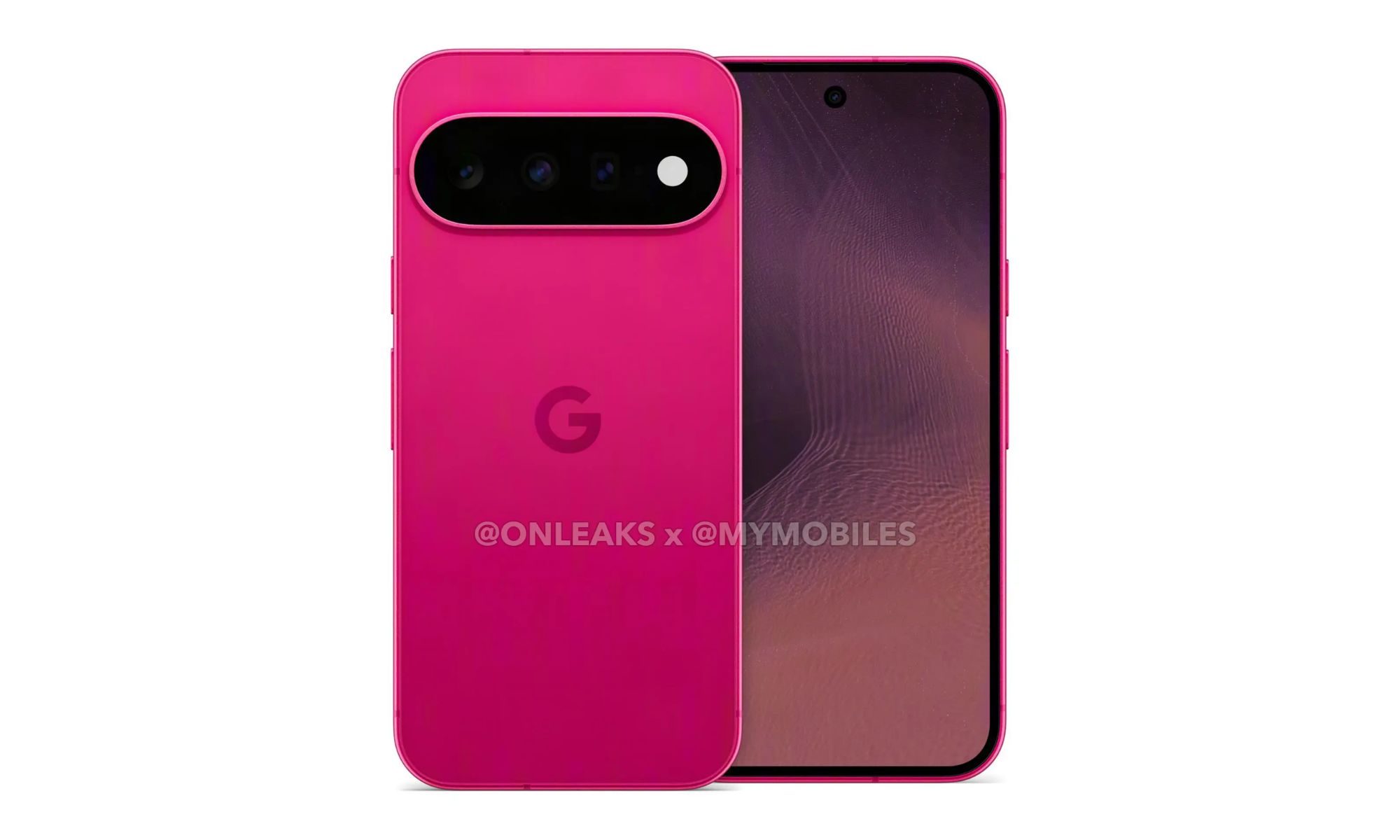
Google's Pixel launches have become increasingly difficult to keep under wraps, and the Pixel 11 series appears to be no exception. Weeks before Google's scheduled August 12 launch event, a fresh leak has revealed what is claimed to be the complete set of official press renders for the Pixel 11, Pixel 11 Pro and Pixel 11 Pro XL, showcasing every colour option across the lineup.

The renders, published by MyMobiles in collaboration with tipster OnLeaks, offer what is arguably the most comprehensive look yet at Google's next flagship family. If authentic, they not only confirm earlier design leaks but also reveal Google's colour strategy for 2026, including a vibrant Fuchsia finish for the standard model and a new copper-inspired "Dune" variant for the Pro series.

Read more
Galaxy Z Flip 8 vs. Motorola Razr Ultra (2026): Samsung’s flip phone is cheaper, but is it better?
One flip phone wins on value. The other wins on hardware.
Electronics, Phone, Mobile Phone

Flip phones have quietly become one of the most competitive corners of the smartphone market. It provides buyers with a satisfying folding snap, reducing the footprint to half the original size, and that’s the entire point. Motorola never really left the format after reviving the Razr name, while Samsung has spent generations treating the Flip line as its scrappy, budget-friendlier sibling to the Fold. 

This year, though, the gap between the two camps has narrowed to the point where picking a winner requires genuinely reading the spec sheet and learning about the phones before putting your money into one. One phone leans hard into raw display firepower, while the other leans into a deeper software ecosystem and a friendlier price tag. 

Read more
Samsung finally switched to silicon-carbon battery on Galaxy Z Fold 8. What’s so special about it?
One of Galaxy Z Fold 8’s biggest upgrade is hiding inside
Galaxy Z Fold 8 Ultra with Fold 8

Samsung has finally joined the silicon-carbon battery race with its latest batch of premium foldables packing the new battery tech. But details for this change were rather hard to spot on the spec sheets. The company has confirmed during media briefings that the Galaxy Z Fold 8 Ultra, Galaxy Z Fold 8, and Galaxy Z Flip 8 all use silicon-carbon batteries.

Even then, the resulting capacities are hardly record-breaking. The Fold 8 Ultra carries a 5,000mAh battery, the regular Fold 8 gets 4,800mAh, and the Flip 8 has 4,300mAh. Rivals from Honor and Motorola have already crossed the 6,000mAh mark. But the figures only tell part of the story.

Read more