  1. Home
  2. Phones
  3. Mobile
  4. Evergreens

Does the iPhone 14 have a 120Hz display?

Add as a preferred source on Google

Apple’s iPhone 14 lineup is now official, comprising four smartphones: the iPhone 14, iPhone 14 Plus, iPhone 14 Pro, and iPhone 14 Pro Max. The phones — especially the Pro models — get nice new upgrades over last year’s iPhone 13 series. The 14 Plus replaces the iPhone 13 Mini with a much larger display, and the Pro variants get the Dynamic Island: a pill-shaped cutout to house the selfie camera and Face ID sensors.

An important feature the non-Pro variants of the iPhone 13 series missed out on was a display with a faster refresh rate. So, you might wonder whether the new iPhone 14 has a 120Hz display or not. Sadly, Apple has again decided to keep higher refresh rate screens exclusive to the more expensive Pro variants only.

Recommended Videos

The iPhone 14 and 14 Plus both pack a 60Hz display

Someone holding an iPhone 14 with the display on, showing the Home Screen.
Joe Maring / Digital Trends

If you’re planning to get the iPhone 14 or the iPhone 14 Plus, you’ll have to make do with a 60Hz display. This is a little annoying, as there are Android smartphones out there offering 120Hz displays, despite costing one-third of the new iPhones.

To experience a faster refresh rate on a new iPhone, you’ll need to spend a little extra and buy one of the Pro variants instead. The iPhone 14 Pro and 14 Pro Max both ship with a ProMotion display, which allows for an adaptive refresh rate of 1Hz to 120Hz. The refresh rate goes all the way down to 1Hz, in order to save battery. Moreover, the Pro models get a bunch of other new exclusive features, like Dynamic Island and Always On Display.

Having said that, the iPhone 14’s display should not let you down, even without a 120Hz refresh rate. Apple’s animations are better than its competitors, and thanks to iOS’s optimizations, you’re going to get a more fluid experience compared to other phones with a similar refresh rate. Basically, the 60Hz display on the iPhone 14 feels smoother than the 60Hz panels of most Android smartphones.

However, if you compare the iPhone 14’s display with the Pro variants or with other smartphones rocking a 120Hz panel, there’s going to be a noticeable difference. A phone with a 120Hz display will be more fluid and smooth than one with a 60Hz panel, though it won’t be something you’ll notice until you use a 120Hz display. So stay away from the iPhone 14 Pro, and your iPhone 14 will probably feel just fine.

Apple versus the competition

In the Android world, a lot of midrange phones come with a 120Hz display, and we’ve even seen 144Hz panels on a few premium smartphones. While 60Hz displays on Android are becoming less and less common, Apple is still sticking with a 60Hz panel for the iPhone 14. Hopefully, the next iteration of the iPhones might use ProMotion displays with a higher refresh rate as standard, but for now, you’ll have to stick with 60Hz on the standard iPhone.

Hinshal Sharma
Hinshal is a Tech Journalist covering tech news and feature pieces for over four years. Apart from Digital Trends, he has…
Google Photos adds a quick toggle between AI and classic search
Classic search is finally easier to reach for people who enabled Ask Photos
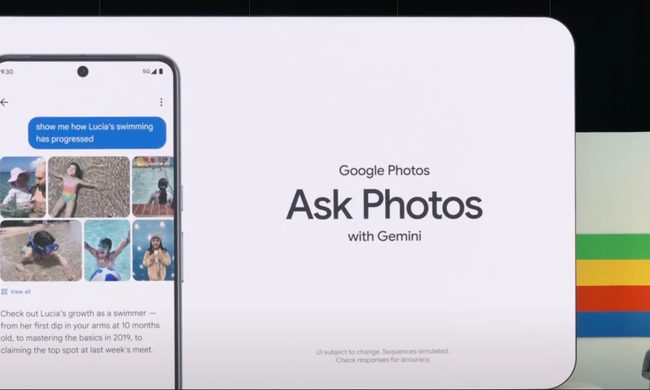
Google's Ask Photos debut.

Google Photos is giving users an easier way to leave its Gemini-powered search when a simple keyword would do. A new toggle now sits at the top of the results page, letting users switch between Ask Photos and classic search without digging through settings.

The change appears to address feedback from people who opted into Ask Photos but wanted a quicker way to return to classic search when Gemini was slower or less useful for a straightforward query.

Read more
Snapseed Camera now lets Android users save original photos and add geotags
Google updates Snapseed Camera with geotag support and non-destructive photo editing
Snapseed App

Google appears to be quietly turning Snapseed into something more than just a photo editing app. Over the past few weeks, the company has been steadily adding new capabilities to Snapseed Camera, its standalone camera app for Android. The latest update introduces two practical features that many smartphone users have come to expect from modern camera apps: the ability to save an untouched copy of every image for future editing and support for embedding location data directly into photos.

Neither feature is flashy, but together they make Snapseed Camera a more capable photography tool, particularly for users who like experimenting with filters without permanently altering their original shots. According to a report by 9to5Google, the features are rolling out with Snapseed Camera version 4.1.1.x on Android.

Read more
Samsung unveils Galaxy credit card ahead of Galaxy Unpacked
Samsung launches Galaxy Card with cashback on Galaxy purchases
Galaxy credit card

For years, Samsung has worked to turn Galaxy into more than a smartphone brand. Today, the company's ecosystem stretches across foldables, smartwatches, televisions, home appliances, smart home products and digital services. Now, it's adding another piece to that puzzle, one that has little to do with hardware.

Samsung has officially introduced the Samsung Galaxy Card, its first branded credit card in the U.S. Designed in partnership with Barclays US Consumer Bank and operating on the Visa network, the card rewards users for everyday spending while offering significantly higher cashback on purchases made directly through Samsung.

Read more