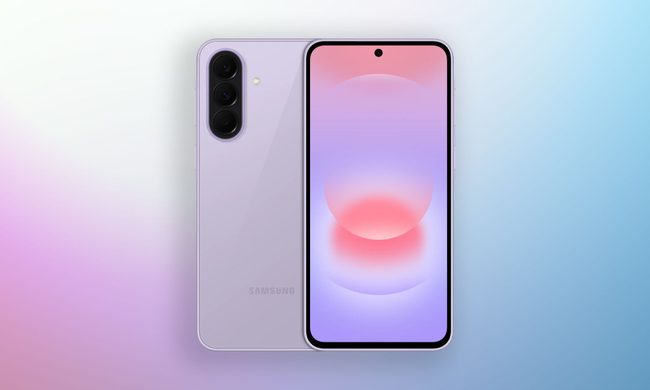
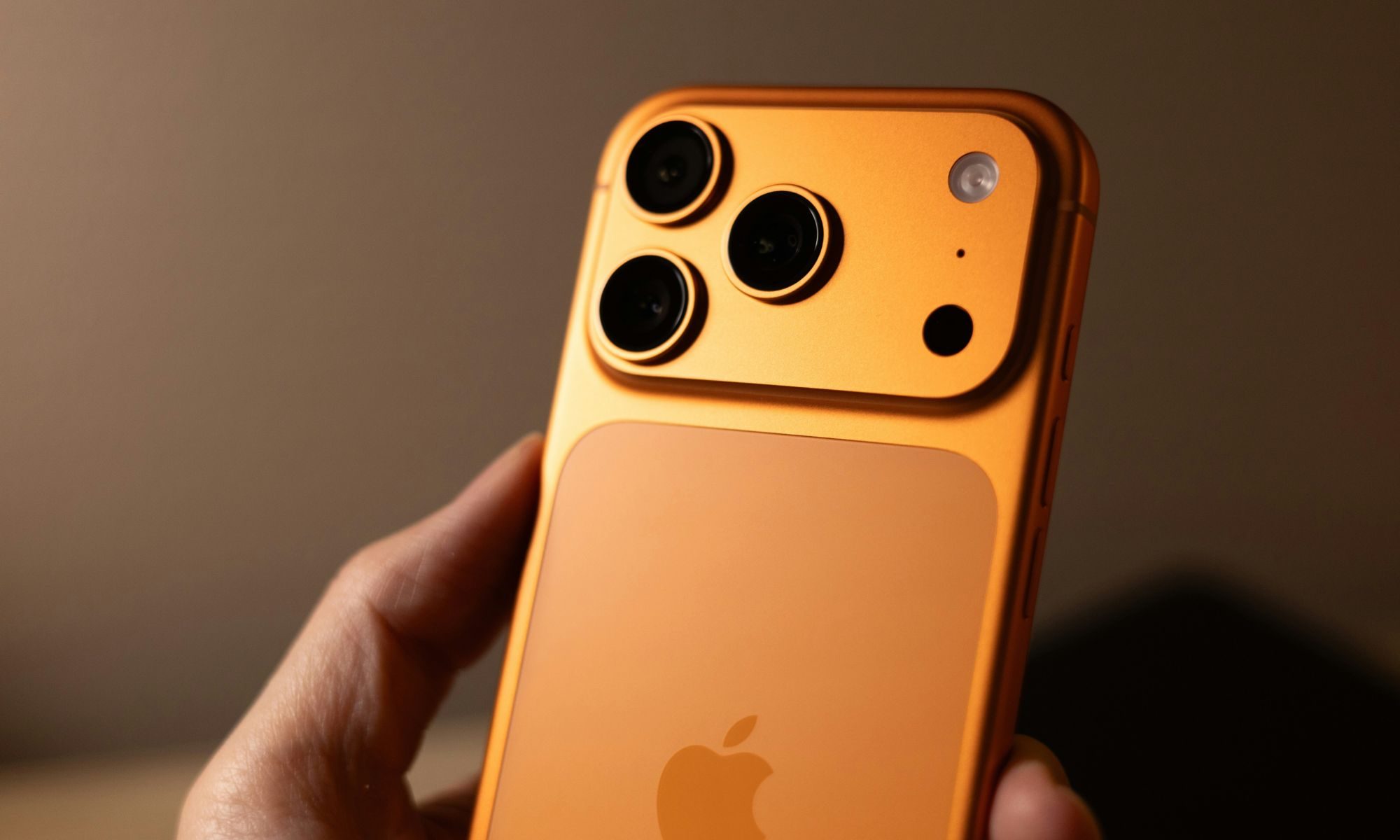
Samsung introduced a new display feature with the Galaxy S24 Ultra and has only improved it on its latest flagship. The Galaxy S25 Ultra’s screen lies under the protection of Corning Gorilla Armor 2, which is a step above the typical Corning Gorilla Glass found on most smartphones.
The Gorilla Armor series debuted with last year’s Galaxy S24 Ultra and brought anti-reflective properties that claimed to lower surface reflections by “up to 75 percent.” It was a genuine quality-of-life upgrade as it improved screen visibility in harsh lighting and enhanced durability. It delivered over four times better scratch resistance and up to three times better drop resistance compared to “competitive aluminosilicate cover classes.”
However, many users reportedly experienced washed-out colors and decreased vividness on the Galaxy S24 Ultra. Over time, that screen was said to have more permanent smudges than its predecessor. Samsung appears to have listened. With the Galaxy S25 Ultra, the company has addressed those concerns to deliver a more refined screen experience. I’ve used the phone on and off since its launch in January, and I believe every phone should adopt this feature.
The best screen on a smartphone
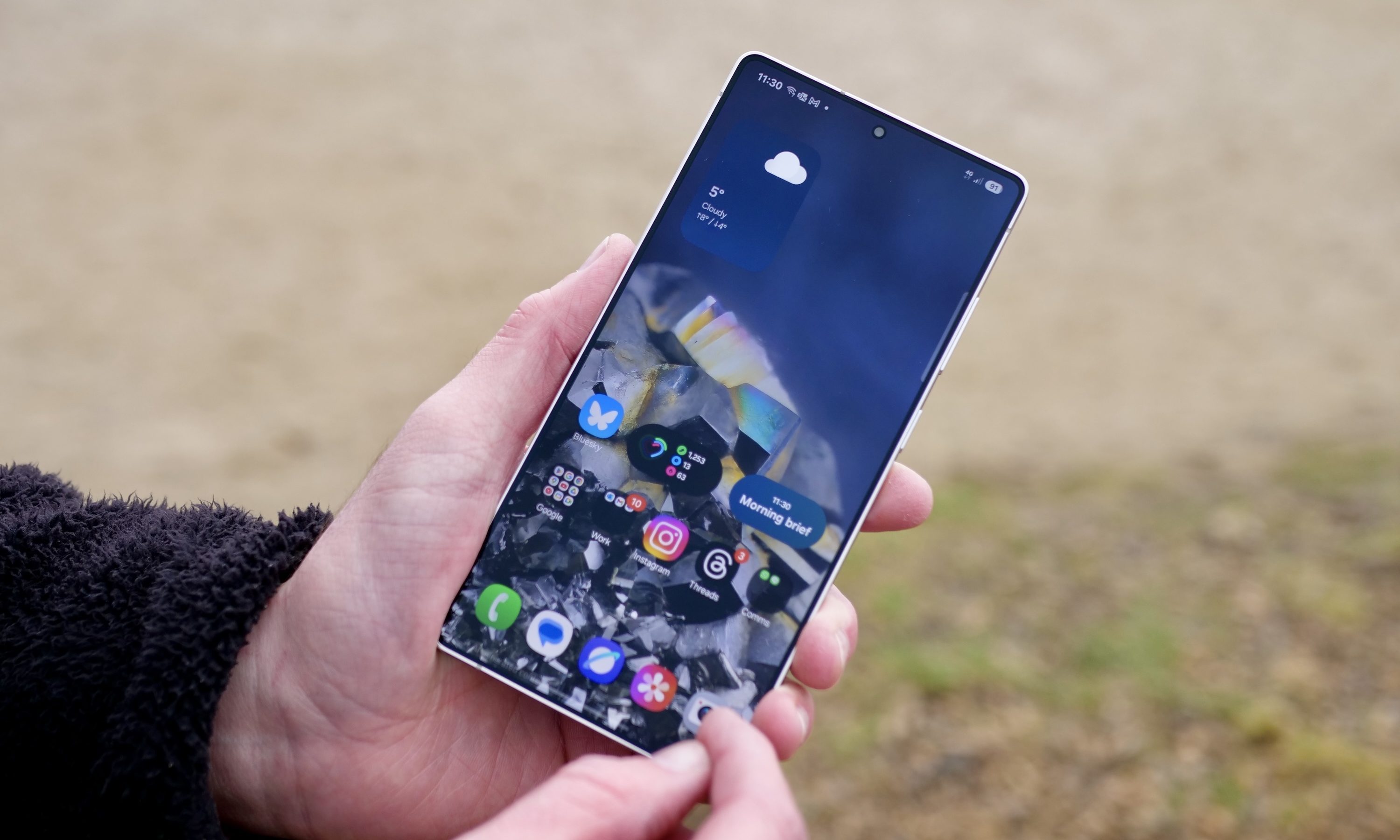
“Gorilla Armor 2’s anti-reflective properties dramatically reduce surface reflections in both indoor and outdoor ambient settings,” claims a Samsung Newsroom post. It is one of the few bits of smartphone marketing I fully agree with.
If you’ve used an iPhone under direct sunlight, you’ve likely noticed how the screen acts as a mirror, amplifying smudges and fingerprints. Even with 2,000 nits of peak brightness, the glare can make it a frustrating experience. You might also find yourself adjusting the phone’s angle repeatedly just to make text or images legible. The brightness is there, but visibility isn’t always guaranteed.
That’s not the case with the Galaxy S25 Ultra. Its 6.9-inch display stays easily readable in harsh lighting conditions. There’s no awkward angling or hand-shading required. You simply look at the screen, and it’s clear. This anti-reflectivity makes everyday use more enjoyable, whether you’re checking emails outdoors or watching videos indoors with overhead lights. The experience feels more natural and less fatiguing to the eyes.
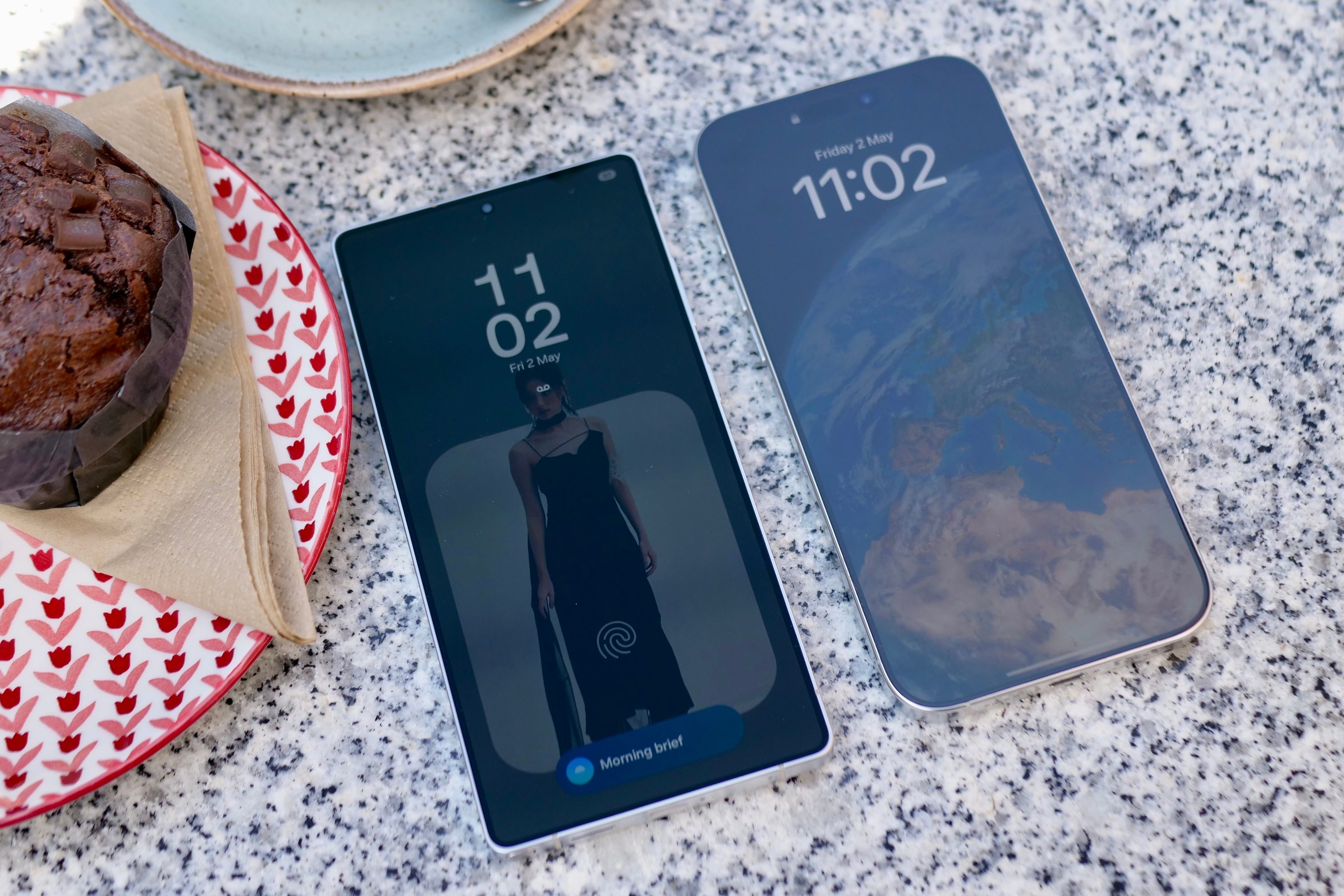
The Galaxy S25 Ultra delivers a more vibrant and sharper screen, as compared to the S24 Ultra. That legibility extends indoors, too. Watching videos in a brightly lit room often introduces glare on most phones and you’re left adjusting the angle to counter that. It is not something you need to worry about with the Galaxy S25 Ultra. It is one of those features that won’t show up in benchmark numbers, but once you’ve experienced it, it’s hard to go back to a regular display.
Samsung and Corning haven’t compromised on durability to achieve a better anti-reflective screen. Samsung claims, “Compared to first-generation Corning Gorilla Armor, Gorilla Armor 2 offers enhanced durability — devices equipped with Gorilla Armor 2 are even better able to withstand the rough and unpredictable nature of daily life.”
Gorilla Armor 2 is said to survive drops of up to 2.2 meters on concrete surfaces. While I haven’t done any lab-style drop tests, the two times I accidentally dropped the phone from waist height, it came out unscathed. In my three months of usage, I haven’t noticed any permanent smudges or micro-abrasions, which bodes well considering the long-term smudge issues some experienced with the S24 Ultra.
I wish more phones had anti-reflective screens
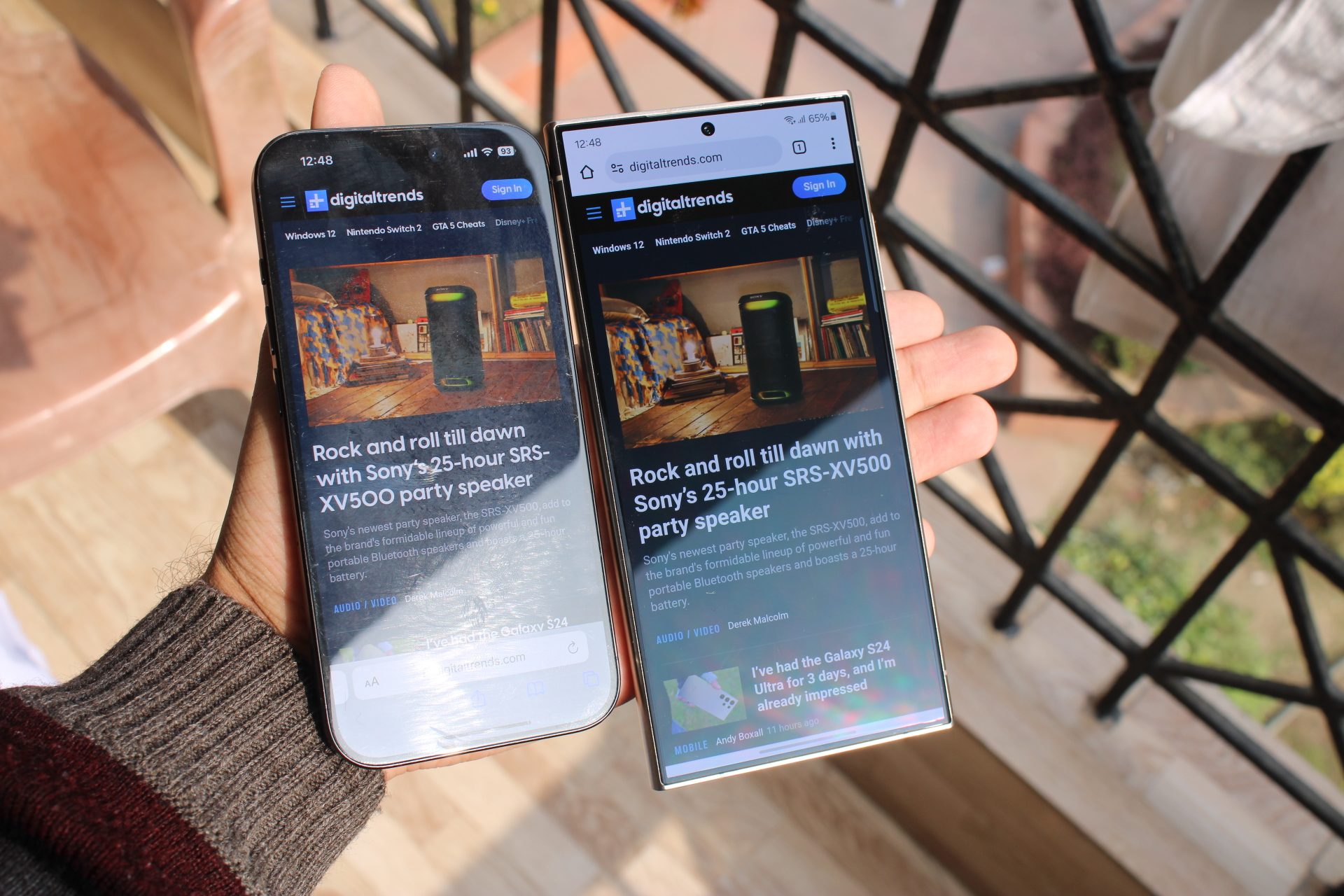
Most Android flagships and iPhones use proprietary display protection glass in 2025. But none of them offer anything quite like Gorilla Armor 2’s anti-reflective properties. Samsung, too, has restricted it to its top-tier S-series model. I hope Gorilla Armor 2 trickles down to other Galaxy S-series phones, and that Apple takes note for the next generation of Ceramic Shield on the iPhone 17 Pro or the iPhone 18 series.
This isn’t a flashy spec that shows up in specs comparison tables. It doesn’t boost benchmark scores or headline launch events. But for the user, it makes a meaningful difference every single day. Whether you’re texting in bright sunlight, scrolling indoors with overhead lights, or simply watching content without distractions from reflections. It just works better in most scenarios.