1. Home
  2. Phones
  3. Mobile
  4. News

Ex-BlackBerry CEO admits company didn’t have a chance against the iPhone

Add as a preferred source on Google

In an intriguingly candid talk at an event in Toronto, Jim Balsillie, BlackBerry’s former co-CEO, admitted the company couldn’t compete with the iPhone and that its attempt to do so led the company to crash and burn, reports the Associated Press.

As a way to combat the iPhone, BlackBerry released the Storm as a Verizon-exclusive smartphone in October of 2008. However, Balsillie revealed BlackBerry tried to do too much, too fast, leading to the smartphone blowing up in the company’s face due to the 100 percent return rate.

Recommended Videos

“With Storm, we tried to do too much. It was a touch display, it was a clickable display, it had new applications, and it was all done in an incredibly short period of time and it blew up on us,” said Balsillie. “That was the time I knew we couldn’t compete on high-end hardware.”

However, the Storm wasn’t the only contributing factor to BlackBerry’s eventual downturn, as Balsillie also revealed BlackBerry was slow to adapt. The company maintained its position as the world’s fastest growing company thanks to its sales of low-end hardware in emerging markets. However, he said that changed once Apple came into the picture due to its unprecedented relationship with AT&T that allowed it to develop such things as full Web browsing and downloads.

“It was difficult,” Balsillie said. “It was a real shock to the company.”

What seems to be the kicker, however, was BlackBerry’s unwillingness to share the BlackBerry Messenger love with the iPhone and Android smartphones. Balsillie believed BlackBerry should have opened up its messaging service to other platforms, since the company makes a good chunk of its money from its services rather than just hardware.

Even with BlackBerry’s transformation into a punchline in the consumer market, John Chen, BlackBerry’s current CEO, is trying to right the ship by focusing on BlackBerry’s business side of things, which he believes would lead to its smartphone business becoming profitable. Such a focus, however, is unlikely to increase BlackBerry’s miniscule 0.5 percent global market share since Chen became the company’s CEO in November 2013.

Williams Pelegrin
Williams is an avid New York Yankees fan, speaks Spanish, resides in Colorado, and has an affinity for Frosted Flakes. Send…
Forget Apple’s AirTag, Motorola’s new Android tracker lasts over 500 days and costs less too
Moto Tag 2 could be the AirTag Android users actually buy
Moto Tag 2 with car keys

Motorola is finally bringing out its second-generation Android smart tracker. While Apple's AirTag has been hogging the limelight, the Moto Tag 2 is the new rival in town, arriving in North America starting June 30. It brings UWB (Ultra Wideband) tracking support, Bluetooth Channel Sounding, and Google Find Hub support in a compact tracker built for keys, bags, luggage, camera gear, and anything else people keep misplacing.

The real headline, though, is the battery life. Motorola claims that this is its longest-lasting smart tracker yet, with more than 500 days of battery life from a replaceable CR2032 battery.

Read more
Motorola’s next Edge phone could make Android’s MagSafe moment cheaper than Google did
Motorola Edge 70 Max is next in line with magnetic charging
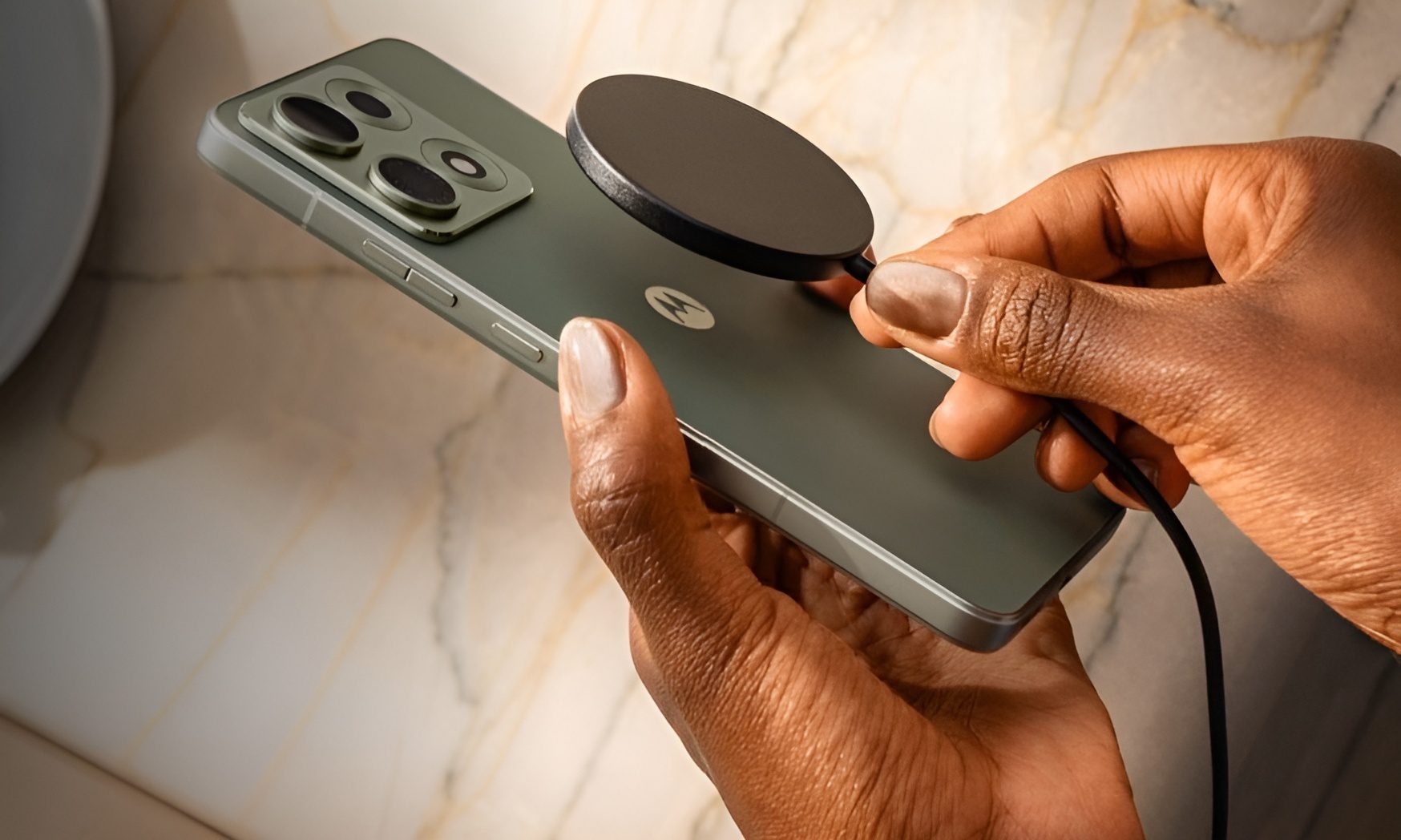
Motorola Edge 70 Max with a magnetic charger

Motorola could be adopting Qi2 wireless charging technology, joining Google Pixels and Apple iPhones for magnetic charging support. While Android's Qi2 rollout has been oddly frustrating, the company's upcoming Edge phone could be the first to bring it to a non-flagship model.

A Wireless Power Consortium listing has revealed the Motorola Edge 70 Max, while another leak has revealed more details regarding its specs and features. We also get a look at some of the leaked promo material that shows magnetic Qi2 in action.

Read more
Google starts testing Gmail Live, its new voice search tool for your inbox
The feature lets you ask questions about your inbox with your voice and is set to roll out later this summer.
Gmail Live screenshot on gradient background

At I/O this year, Google showcased Gmail Live, a new Gemini-powered feature that lets users search their inbox using their voice instead of typing. The feature has now moved into testing, with 9to5Google reporting that it's rolling out to a small group of Android and iOS users this week.

How Gmail Live works

Read more