1. Home
  2. Phones
  3. Android
  4. Apple
  5. Mobile
  6. Social Media
  7. Web
  8. News

Facebook tests its apps in a data center that houses 2,000 smartphones

Add as a preferred source on Google

Facebook is taking app testing seriously. How seriously? Well, it just revealed its newest data center in Prineville, Oregon, which houses a massive 2,000 smartphones used to test Facebook’s apps and make sure everything is running smoothly.

That’s a pretty big step up from a year ago, when Facebook engineers each tested out apps on just one smartphone — a problem considering different people used different smartphones, and apps run differently on each phone. That’s why Facebook built the new data center, which is made up of 60 custom-built racks, each of which holds 32 smartphones.

Recommended Videos

“As more people around the world come online for the first time, we want to make sure our apps and services work well for everyone,” explained Facebook product engineer Antoine Reversat in a blog post. “This means we need to understand the performance implications of a code change on both high-end and typical devices, as well as on a variety of operating systems.”

Most of Facebook’s apps run at scale, which means that each device’s configuration affects the app differently. That makes it extremely important for the company to test on as many different devices as possible — if the app doesn’t work properly on a specific device, that could turn off a ton of people from the app.

Interestingly enough, the majority of phones at the center are out-of-date models, including devices like an iPhone 4S and a Samsung Galaxy Nexus. That’s because Facebook is targeting its next billion users, who might not have as much money to spend on the newest phones out there.

While each rack currently holds a hefty 32 phones at once, according to Reversat the team wants to double that to 64 phones per rack. Not only that, but the company will also be sharing the designs for the rack, likely through the Open Computer Project that the company started back in 2011.

Christian de Looper
Christian de Looper is a long-time freelance writer who has covered every facet of the consumer tech and electric vehicle…
TSMC might set up a price hike that could come straight for your next phone, laptop, or tablet
Here's what TSMC's rumored 10% chip price increase actually means in dollar terms, and why your next phone or laptop could end up costing more.
TSMC Fab

My wallet flinched the second I saw the words "TSMC" and "price increase" in the same headline, and honestly, yours should too.

Turns out the company behind the silicon powering basically every flagship device out there, including Apple’s A-series and Qualcomm’s Snapdragon processors, is reportedly about to make all of it a little pricier.

Read more
Samsung’s free storage doubling for preorders is gone in Austria, and the replacement isn’t as sweet
Samsung's free storage doubling deal might just be history.
The back of the Galaxy Z Fold 7

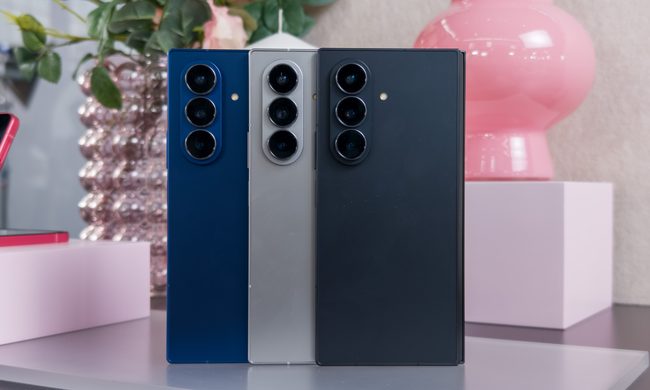
If you've pre-ordered a Samsung foldable purely for the free storage bump, tomorrow's Unpacked event might sting a little.

For years, pre-ordering a new Galaxy meant automatically getting double the storage at no additional charge. Buy the 128GB model, walk away with 256GB for the same price. The same applied to the 256GB and 512GB models. However, that might change at the upcoming Galaxy Unpacked event. 

Read more
Apple fixes Hide My Email bug that exposed users’ real email addresses
Here's how Apple's Hide My Email flaw leaked real addresses for over a year, and why it only got fixed once the story went public.
apple-merging-sign-in-with-apple-hide-my-email-icloud+

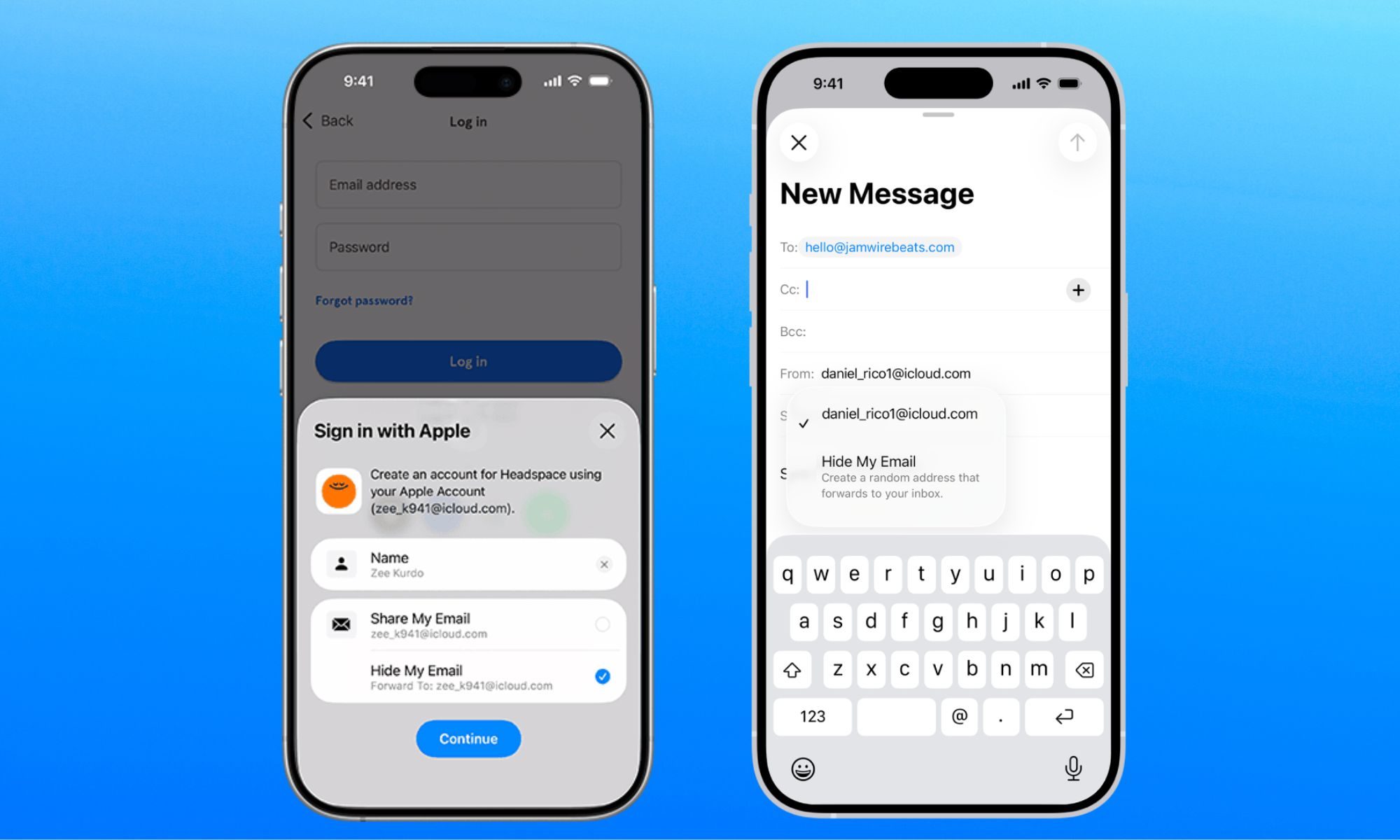
Turns out the "Hide" part of Hide My Email wasn't doing its job quite as advertised, something that I covered early in July. Security researcher Tyler Murphy reported the flaw in June 2025, but despite Apple claiming it was resolved in March 2026, independent tests confirmed it remained exploitable, at least until July 3, 2026.

So how did this bug actually work?

Read more