1. Home
  2. Phones
  3. Android
  4. Apple
  5. Mobile
  6. Legacy Archives

Fleksy opens beta for Arabic and Chinese keyboards

Add as a preferred source on Google

Arabic and Chinese are two of the most widely spoken languages in the world, so it stands to reason that most alternative keyboard apps would offer support for them, but many don’t. On Thursday, Fleksy announced that it is opening up the beta for Arabic and Chinese. It also released a video demo of the Chinese keyboard in action on a Xiaomi smartphone and a Samsung smartwatch.

Related: Fleksy revamps Android keyboard and tells us about iOS 8 plans

Recommended Videos

The great keyboard race is truly heating up, with Fleksy and SwiftKey among the top competitors. Although SwiftKey already offers Arabic, it has yet to introduce Chinese, much to the disappointment of many users.

“There is a massive market in Asia, and typing on small screens is an even bigger problem in that part of the world. We have been working hard to create the next step in the evolution of the keyboard, and today we wanted to share some of that progress with our growing fan base in China and beyond” said COO Ioannis Verdelis in a statement.

Requests for Arabic are also very common, with more than 100,000 users actively requesting that Fleksy add Arabic to its language list. Once the keyboard makes it through beta testing, the more than 300 million native Arabic speakers will be able to type with the special characters using the Fleksy keyboard app.

Related: Fleksy adds Messenger app for Samsung Gear 2 smartwatch

Fleksy sent Digital Trends several screen shots of the Arabic keyboard for both Android and iOS 8. The iOS 8 screen shots haven’t been released yet, so they have been taken down. Fleksy will most likely show off more details about iOS 8 in the coming months. It will be interesting to see if there are any differences in terms of features or performance when Fleksy makes the move to iOS this fall.

In the meantime, you can check out the Chinese keyboard in action in the video below.

Article originally published 08-07-2014 at 10:51 a.m. EST.

Updated on 08-07-2014 1:26 p.m. EST by Malarie Gokey to reflect the following change: By Fleksy’s request, we have removed images of the iOS 8 Arabic keyboard. Fleksy informed us that those images are not yet ready for release. Stay tuned for more later!

Malarie Gokey
As DT's Mobile Editor, Malarie runs the Mobile and Wearables sections, which cover smartphones, tablets, smartwatches, and…
Vibecoded apps are flooding Apple’s App Store, and users are getting sick of them
App Store submissions have doubled this year as AI tools make it easier than ever to build an app, but downloads haven't kept pace, and for good reason.
Apple App Store homepage on an iPhone

Apple's App Store is in the middle of its steepest submission surge in years. Developers submitted nearly 600,000 new apps last year, marking a 30 percent jump over the previous year. That number has already doubled to roughly 560,000 new apps in just the first six months of this year, according to estimates from analytics firm Sensor Tower cited by the New York Times. The reason behind the spike is vibecoding, which allows people with no prior development experience to create new apps using AI tools.

A familiar boom, with a twist

Read more
Google Photos adds a quick toggle between AI and classic search
Classic search is finally easier to reach for people who enabled Ask Photos
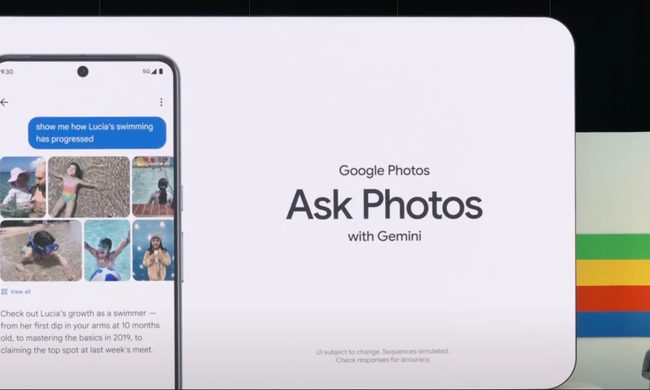
Google's Ask Photos debut.

Google Photos is giving users an easier way to leave its Gemini-powered search when a simple keyword would do. A new toggle now sits at the top of the results page, letting users switch between Ask Photos and classic search without digging through settings.

The change appears to address feedback from people who opted into Ask Photos but wanted a quicker way to return to classic search when Gemini was slower or less useful for a straightforward query.

Read more
Snapseed Camera now lets Android users save original photos and add geotags
Google updates Snapseed Camera with geotag support and non-destructive photo editing
Snapseed App

Google appears to be quietly turning Snapseed into something more than just a photo editing app. Over the past few weeks, the company has been steadily adding new capabilities to Snapseed Camera, its standalone camera app for Android. The latest update introduces two practical features that many smartphone users have come to expect from modern camera apps: the ability to save an untouched copy of every image for future editing and support for embedding location data directly into photos.

Neither feature is flashy, but together they make Snapseed Camera a more capable photography tool, particularly for users who like experimenting with filters without permanently altering their original shots. According to a report by 9to5Google, the features are rolling out with Snapseed Camera version 4.1.1.x on Android.

Read more