1. Home
  2. Phones
  3. Android
  4. Audio / Video
  5. Computing
  6. Mobile
  7. Smart Home
  8. News

Google quietly renaming Cast branding (yes, again) to 'Chromecast built-in'

Add as a preferred source on Google

Google can’t seem to make up its mind.

The search giant debuted its streaming stick, the Chromecast, in 2013. The $35 device went on to be one of Google’s most successful products. Naturally, Google started partnering with other companies, such as Sony, LG, Vizio, to integrate the cast technology into various products like TVs and speakers.

Recommended Videos

The Mountain View, California, company named this integrated technology Google Cast, and even rebranded the Chromecast app to Google Cast earlier this year. So Google’s streaming stick is still called the Chromecast — the Chrome branding highlights the simplified Chrome OS it runs — but the app used to control it and other cast-enabled devices is called Google Cast.

Google Home caused yet another rift in the branding. The company recently rebranded the Google Cast app again, and now it’s simply called Home. This all happened in the same year. Confusing, right? It doesn’t matter if you have a Google Home — the app houses all your connected devices that use Google’s cast technology.

Now, Google seems to be going back to the Chromecast name. According to Variety, Google has been quietly removing mentions of Google Cast. It’s replacement? “Chromecast built-in.” The name is easier for consumers to understand the connection between cast-enabled devices and the Chromecast, but the process it took to get here was tortuous.

Google renamed its Google Cast Twitter account to @Chromecast. The Cast website now makes mention of the new name — “Google Cast–also known as Chromecast built-in.” Variety says Google’s partners have also started removing previous mentions of Google Cast on their respective websites.

https://twitter.com/Chromecast/status/801111758748483584

If you’re confused, don’t worry — going through a rebrand for a product this many times in one year is not normal. Let’s do a quick recap: The names for the $35 and $80 Chromecast and Chromecast Ultra are staying the same. The cast technology you’ll find in speakers and TVs from other manufacturers will now say “Chromecast built-in.” The app used to manage these devices, including Google Home, is called Home.

Google did not immediately respond to a request for comment.

Julian Chokkattu
Former Mobile and Wearables Editor
Julian is the mobile and wearables editor at Digital Trends, covering smartphones, fitness trackers, smartwatches, and more…
Apple’s next big iPhone display experiment could be its biggest yet
The company may be testing a 6.96-inch panel for a future flagship, although one leaker’s post is currently the only source for the exact measurement
iPhone 17 Pro Max

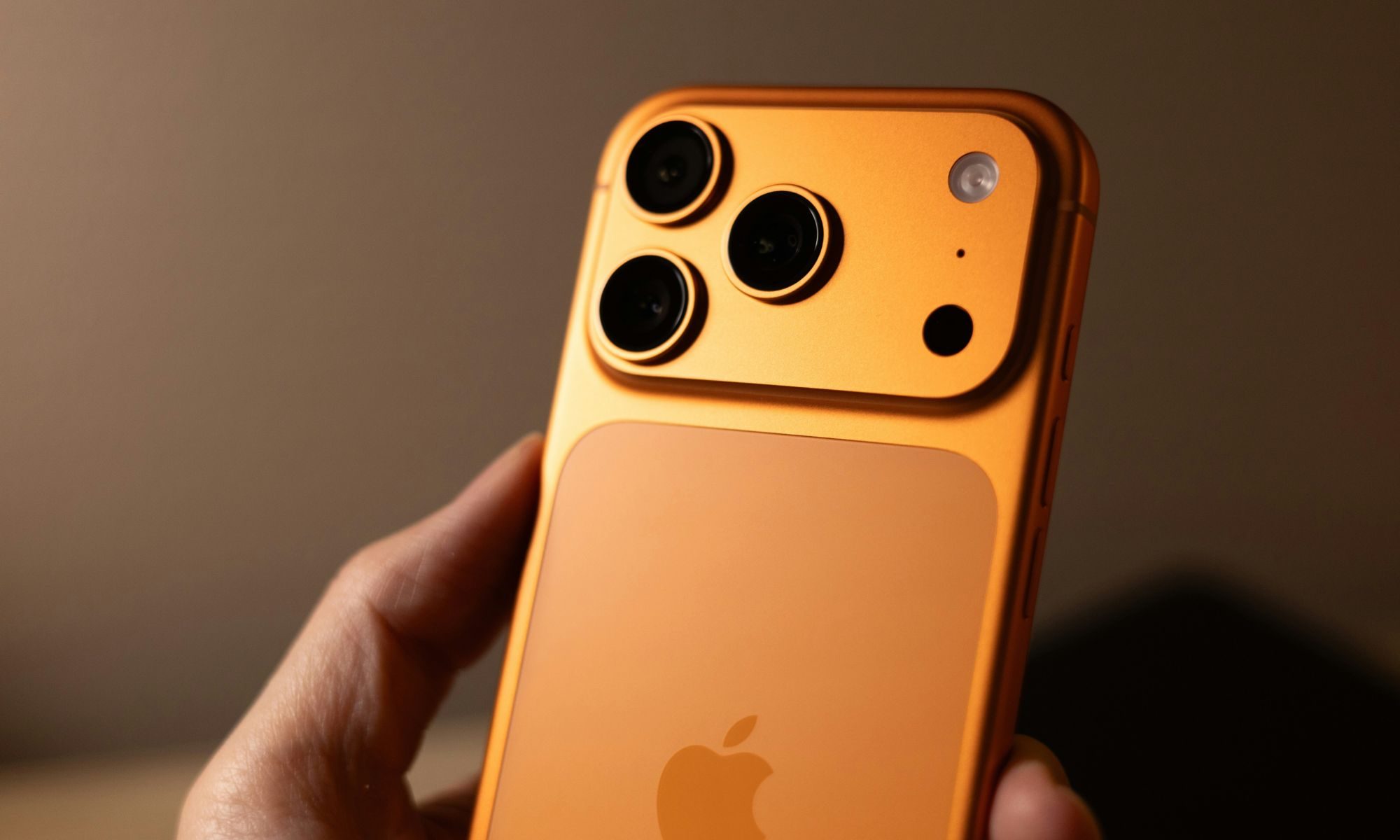
Apple may be testing a 6.96-inch display for a future iPhone, bringing its largest handset within a whisker of the 7-inch mark.

Leaker Digital Chat Station claims the experimental panel retains the same aspect ratio as Apple’s current Pro Max display. The post mentions the iPhone 20 Pro Max as a possible destination, but doesn’t connect the screen to a finished device. Apple could be exploring the size without putting it anywhere near a production line.

Read more
Vibecoded apps are flooding Apple’s App Store, and users are getting sick of them
App Store submissions have doubled this year as AI tools make it easier than ever to build an app, but downloads haven't kept pace, and for good reason.
Apple App Store homepage on an iPhone

Apple's App Store is in the middle of its steepest submission surge in years. Developers submitted nearly 600,000 new apps last year, marking a 30 percent jump over the previous year. That number has already doubled to roughly 560,000 new apps in just the first six months of this year, according to estimates from analytics firm Sensor Tower cited by the New York Times. The reason behind the spike is vibecoding, which allows people with no prior development experience to create new apps using AI tools.

A familiar boom, with a twist

Read more
Google Photos adds a quick toggle between AI and classic search
Classic search is finally easier to reach for people who enabled Ask Photos
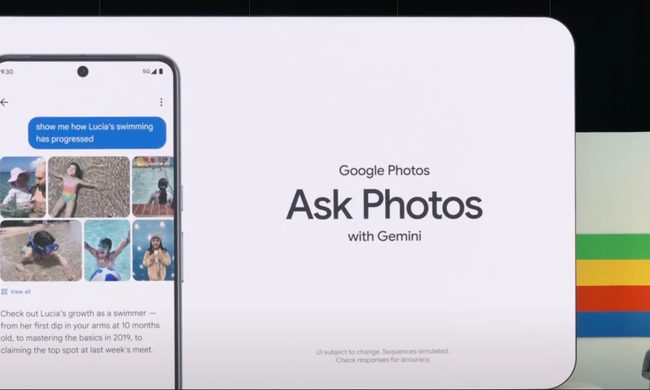
Google's Ask Photos debut.

Google Photos is giving users an easier way to leave its Gemini-powered search when a simple keyword would do. A new toggle now sits at the top of the results page, letting users switch between Ask Photos and classic search without digging through settings.

The change appears to address feedback from people who opted into Ask Photos but wanted a quicker way to return to classic search when Gemini was slower or less useful for a straightforward query.

Read more