1. Home
  2. Phones
  3. Android
  4. Apple
  5. Mobile
  6. Web
  7. News

Google Maps lets you save offline areas to the SD card, adds Wi-Fi only mode

Add as a preferred source on Google

Google Maps now has a Wi-Fi only mode for those times you’re in an area with spotty coverage, or say if you’re in another country and the data prices are expensive.

What if you don’t have any available Wi-Fi hot spots near you? Triggering the mode forces Maps to go entirely offline on Android — and “you can still use other apps and the rest of your phone as you normally would,” according to the Google Maps blog post. “You might even save on battery life, too.” If you happen to hop on a Wi-Fi connection, the map will update.

Recommended Videos

To go into Wi-Fi only mode, swipe right from the side to open up the menu, go to Settings and tap on Wi-Fi only. You’ll see a notification at the top of the app that indicates you’re in Wi-Fi only mode, so that you don’t forget to turn it off when you want to go back to using data.  Google has been testing the Wi-Fi only feature for about a month in the beta version of the Maps app.

You’ll also now be able to save areas of the map straight to your SD card if your phone supports a MicroSD card slot. That’s helpful if you don’t have a lot of storage on your smartphone. Swipe right to get to the menu again and tap on Offline areas to see what you have saved. You can save a relatively large area, and you’ll have the option of saving it to your internal storage or to an SD card if the app detects you have one. These offline areas are updated every 30 days whenever you’re on Wi-Fi.

Offline areas has been around for a while, but the app still used some data if a data connection was available. Now, with Wi-Fi only mode you can set up an offline area, trigger the mode and you won’t have to worry about the app using data again.

The update should be rolling out now, but it looks like it’s currently available for Android only.

Julian Chokkattu
Former Mobile and Wearables Editor
Julian is the mobile and wearables editor at Digital Trends, covering smartphones, fitness trackers, smartwatches, and more…
TSMC might set up a price hike that could come straight for your next phone, laptop, or tablet
Here's what TSMC's rumored 10% chip price increase actually means in dollar terms, and why your next phone or laptop could end up costing more.
TSMC Fab

My wallet flinched the second I saw the words "TSMC" and "price increase" in the same headline, and honestly, yours should too.

Turns out the company behind the silicon powering basically every flagship device out there, including Apple’s A-series and Qualcomm’s Snapdragon processors, is reportedly about to make all of it a little pricier.

Read more
Samsung’s free storage doubling for preorders is gone in Austria, and the replacement isn’t as sweet
Samsung's free storage doubling deal might just be history.
The back of the Galaxy Z Fold 7

If you've pre-ordered a Samsung foldable purely for the free storage bump, tomorrow's Unpacked event might sting a little.

For years, pre-ordering a new Galaxy meant automatically getting double the storage at no additional charge. Buy the 128GB model, walk away with 256GB for the same price. The same applied to the 256GB and 512GB models. However, that might change at the upcoming Galaxy Unpacked event. 

Read more
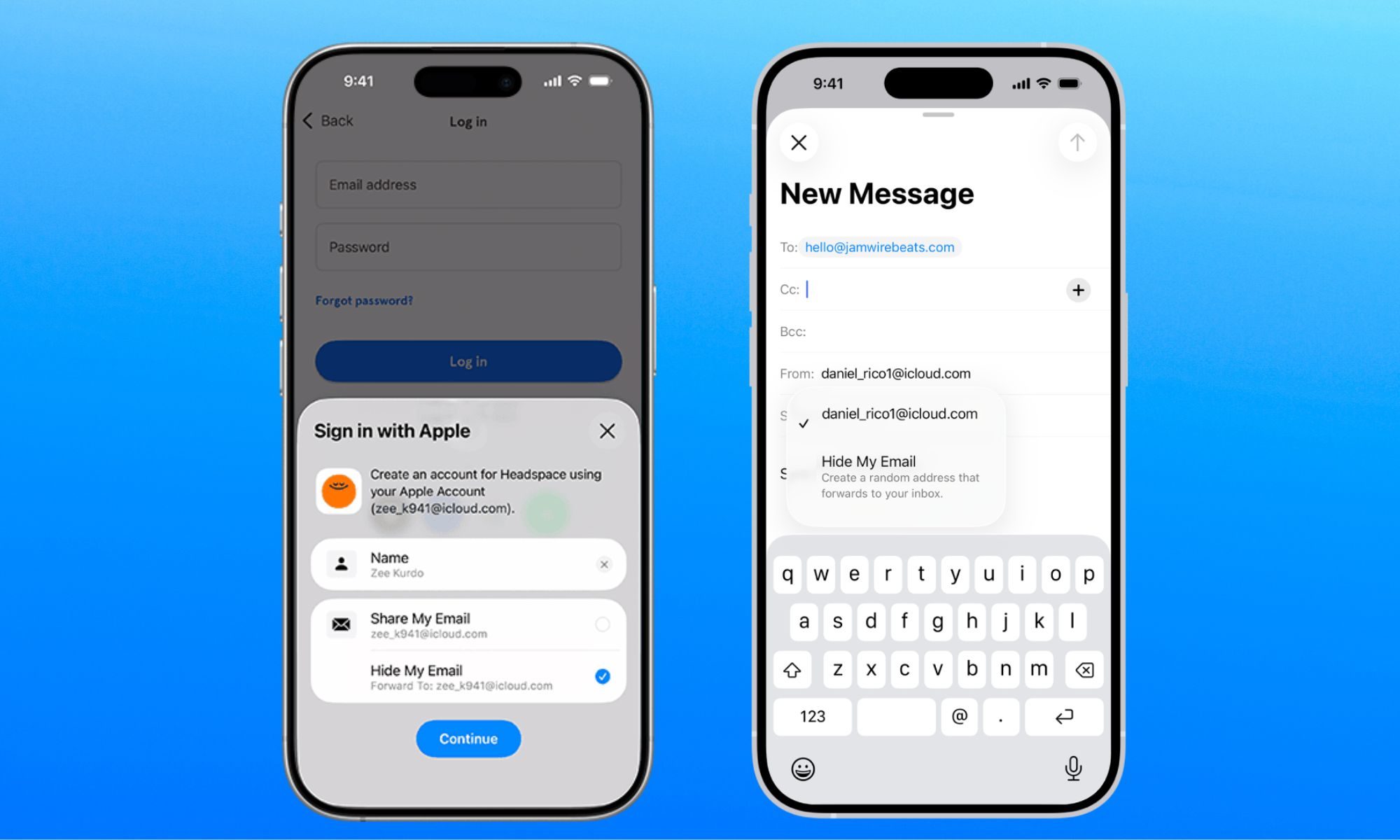
Apple fixes Hide My Email bug that exposed users’ real email addresses
Here's how Apple's Hide My Email flaw leaked real addresses for over a year, and why it only got fixed once the story went public.
apple-merging-sign-in-with-apple-hide-my-email-icloud+

Turns out the "Hide" part of Hide My Email wasn't doing its job quite as advertised, something that I covered early in July. Security researcher Tyler Murphy reported the flaw in June 2025, but despite Apple claiming it was resolved in March 2026, independent tests confirmed it remained exploitable, at least until July 3, 2026.

So how did this bug actually work?

Read more