1. Home
  2. Phones
  3. Android
  4. Apple
  5. Mobile
  6. Web
  7. News

Google’s Popular Times now tells you how busy a location is in real time

Add as a preferred source on Google

Google will soon tell you how busy a location is before you even get there. Popular Times was added by Google as a feature in Search last year to tell you typically how busy a restaurant or coffee shop is at any time during the week, but now that feature will begin providing such information in real time.

In other words, before you head to a restaurant, you’ll be able to see exactly how busy it is, which could help you avoid waiting too long.

Recommended Videos

As was the case before, you’ll see the Popular Times section when you search for a restaurant in Google or Google Maps, but now it’ll show you a “live” look at how busy a business is. And just how does Google know how busy a location is? Google basically uses anonymized location data from our smartphones to estimate how many people might be there at any given time.

As mentioned in a report from TechCrunch, the non real-time feature was generally accurate, but it didn’t take things like special events into consideration. It doesn’t seem as though the new Live feature in Popular Times is live just yet, but it should be in the near future, so sit tight if you can’t see it yet.

Google is working on bringing more and more detailed information to businesses, restaurants, bars, and so on. The company has been asking customers questions after it detects that they visited a location, such as whether or not the business is kid-friendly, serves alcohol, and so on. All this information can be extremely helpful for users, who may want to try something new or make sure that they don’t get stuck somewhere for too long.

Christian de Looper
Christian de Looper is a long-time freelance writer who has covered every facet of the consumer tech and electric vehicle…
OnePlus is gone, and Android phones just became more boring in the US
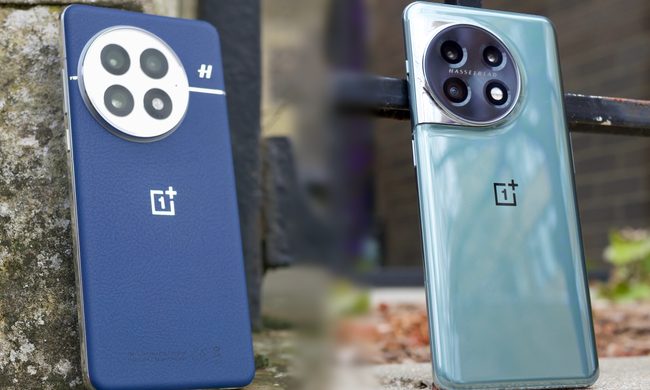
OnePlus 13 vs OnePlus 11.

I wasn't expecting a smartphone brand's exit to hit me this hard, but OnePlus leaving the US and Europe genuinely did. The company has already confirmed that it will no longer launch new products in either market, although existing customers will continue receiving software updates and after-sales support. So while OnePlus isn’t disappearing altogether, it is walking away from two of the biggest smartphone markets in the world.

To be honest, the Android market in the US already feels limited. If you’re shopping for a flagship, your realistic choices almost always begin with Samsung and end with Google. OnePlus was one of the very few brands sitting in between, offering something that didn’t quite look or feel like everything else. And that’s exactly what I’m going to miss.

Read more
A niche iPhone browser quietly fixes my biggest problem with Google Search
Quiche Browser open on iPhone

If there's a new browser, email app, or note-taking app to try, chances are I've already installed it. Like every other productivity nerd, I'm always chasing the perfect setup. That's how I stumbled upon Quiche Browser. It was already close to replacing the Arc Search for me on the iPhone, but its latest update finally pushed it over the edge, earning it a spot as my default browser.

What makes Quiche so good

Read more
Google has to play fair with AI rivals on Android, and that could be good news for your wallet
A new ruling strips Gemini of its exclusive access to deep Android integration, opening the door for cheaper AI models to offer similar functionality for less.
A person using Google Gemini on the Google Pixel 9a.

After forcing Google to open up Android to third-party app stores, the EU is back with a new target, and this time it's Gemini's home-field advantage. The European Commission ordered Google on July 16 to give rival AI apps the same deep access to Android that's currently exclusive to Gemini. The order falls under the EU's Digital Markets Act (DMA), and it directs Google to stop treating its own assistant as a first-class citizen on a platform it controls.

What Google now has to hand over

Read more