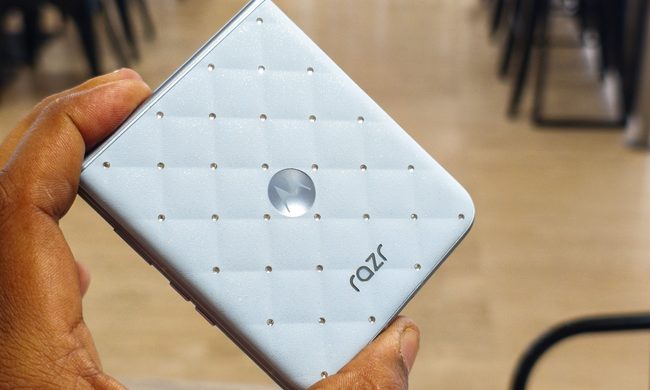
Thin. Thinner. Thinnest.
That’s been a hot trend in the smartphone industry lately. Is the race to the thinnest phone crown truly meaningful for an average user? I doubt it. But it certainly makes for nice billboard claims and cheeky social media jibes at rival brands.
Ever since Samsung introduced the Galaxy Z Fold 7, the industry has been buzzing about its thinness and how it sets a new standard. Does it set a new record? Honor disagrees. In the context of foldable phones, being thin has its ergonomic benefits. But the situation gets absurd when thinness comes at the cost of utility.
By utility, I mean practical features, such as battery life. As the buzz around Galaxy Z Fold 7 was getting hotter, I got my hands on a new phone, the Vivo X Fold 5. And after spending some time with it, I realized that it’s a more thoughtful foldable phone than Samsung’s sleek new device.
Is it all about the waistline?
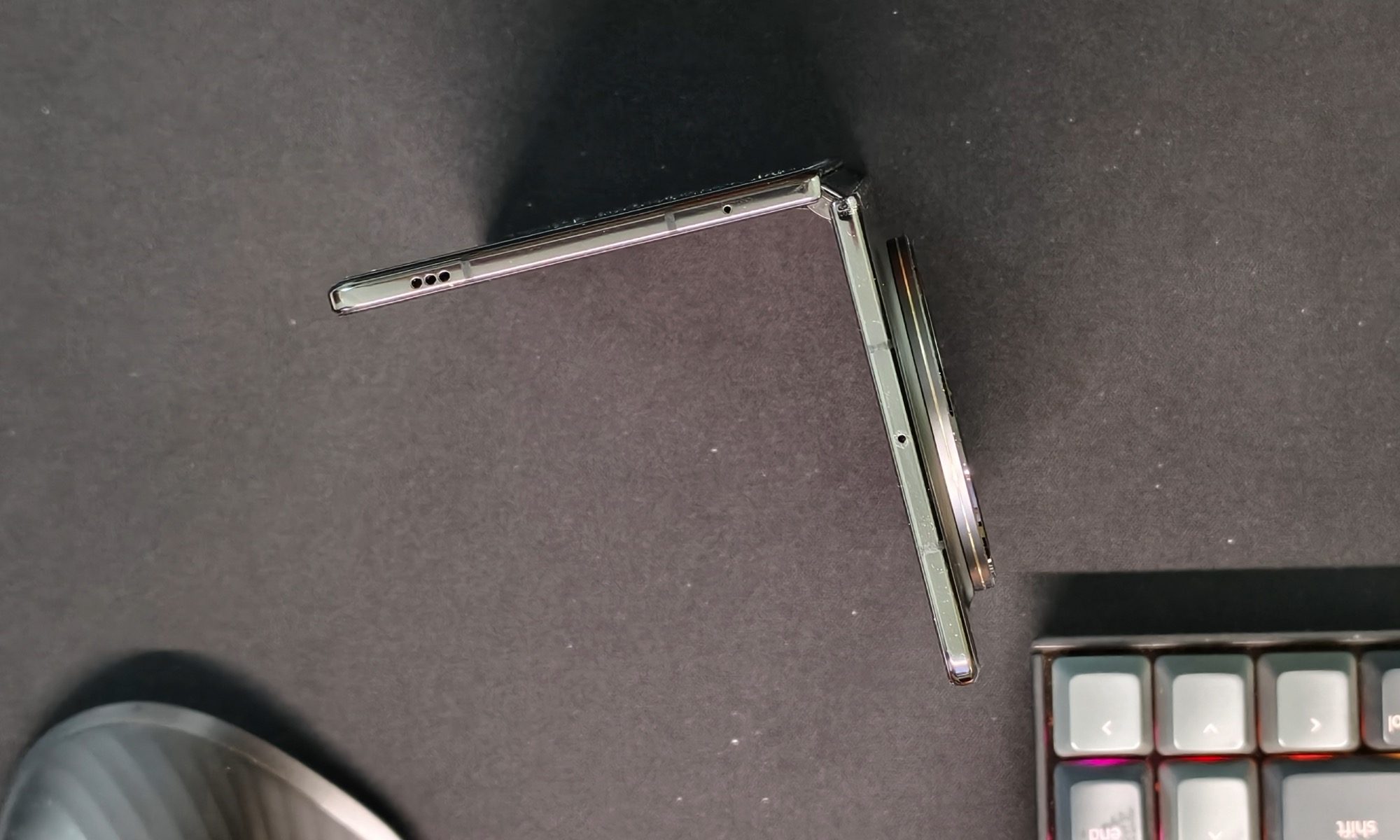
Let’s start with the most obvious topic of contention, which is the in-hand feel of the device. Both devices have flat sides, but the Vivo phone has slightly rounded corners, which makes it easier to hold compared to the sharp edges on the Galaxy Z Fold 7. As far as the thinness goes, you won’t feel the difference in your hands. Here are the figures for your reference:
| Unfolded (in mm) | Folded (in mm) | |
| Vivo X Fold 5 | 159.68 x 72.60 x 9.2 | 72.8 x 158.4 x 8.9 |
| Samsung Galaxy Z Fold 7 | 159.68 x 142.29 x 4.3 | 143.2 x 158.4 x 4.2 |
The difference in thickness is just 0.1 millimeters in the unfolded state. When two halves are closed shut while using only the exterior display, the waistlines of the two devices are only off by 0.3mm. That’s a negligible gap, and the weight difference between the two phones is also merely two grams, so there’s that.
But where Vivo marginally lags behind Samsung, it more than makes up for it with a sturdier build. When dealing with an uber pricey foldable phone, every extra layer of protection matters, more so than your average slab-shaped phone. And this is where Vivo races ahead of Samsung.
The Galaxy Z Fold only offers an IP48-cleared build, which means it can survive liquid immersion in 1.5 meters of freshwater for up to 30 minutes. Its Vivo rival, on the other hand, comes with an IPX8, IPX9, IPX9+, and IP5X-certified hardware, which means it is more resilient to dust and water exposure.
In a nutshell, the Vivo phone can also handle jets of water, though nothing as adventurous as water parks. The hinge and display assembly of foldable phones is notoriously prone to damage. And as our investigation highlighted, Samsung is no stranger to the fragility woes on foldable phones, which culminate in fittingly pricey repair and replacement services.
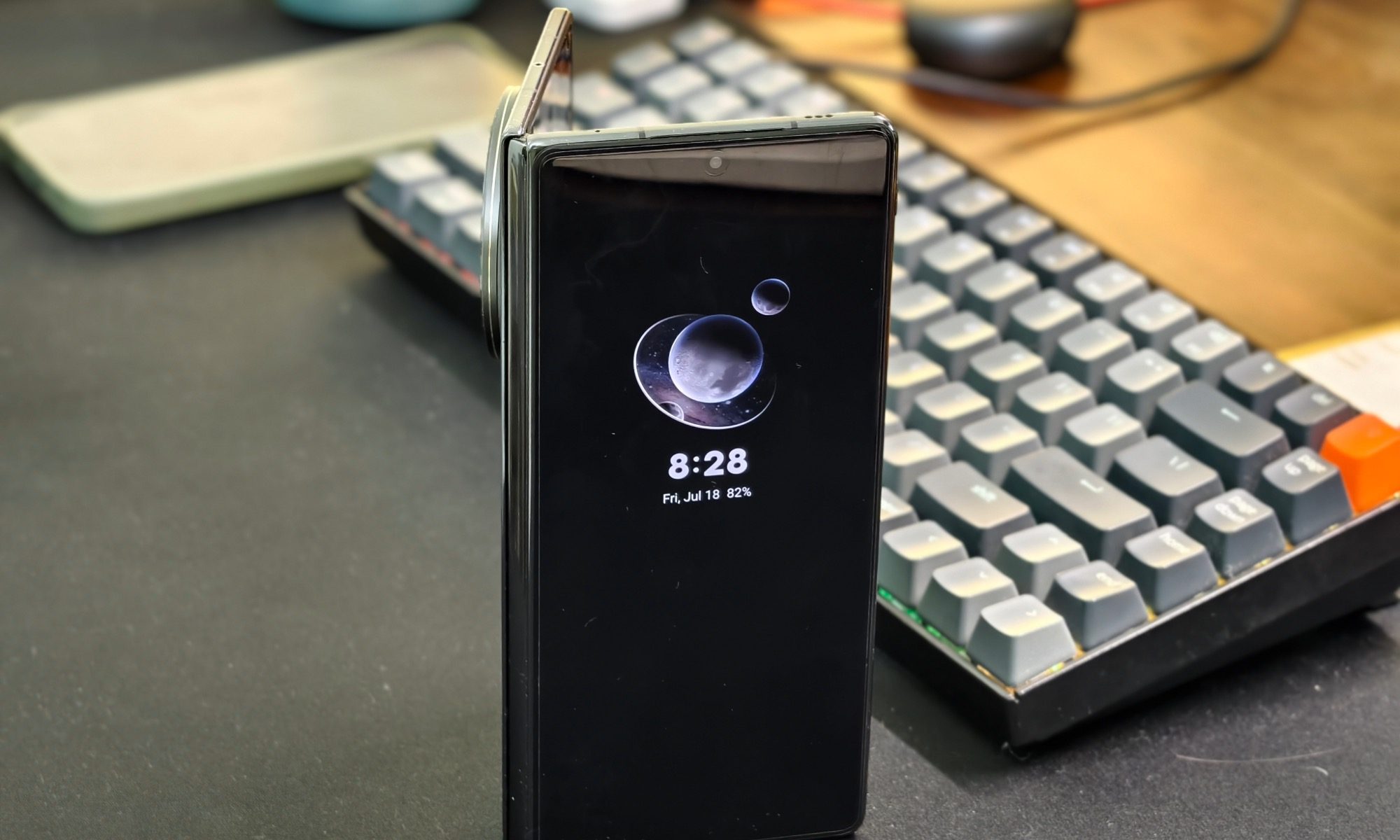
The meaningful parts
One of the biggest problems with foldable phones is their shrinking size, which means they are increasingly getting starved of battery space while driving high-resolution screens. Samsung’s latest foldable phone doesn’t break any new ground, while its Chinese rival makes a massive leap.
The Galaxy Z Fold comes equipped with a 4,400mAh battery, despite being equipped with an 8-inch inner flexible OLED panel and a 6.5-inch display on the outside. If you’re someone who is investing in a foldable phone to get the best out of its large screen real estate for content consumption, don’t expect the battery to last a full day of heavy usage.
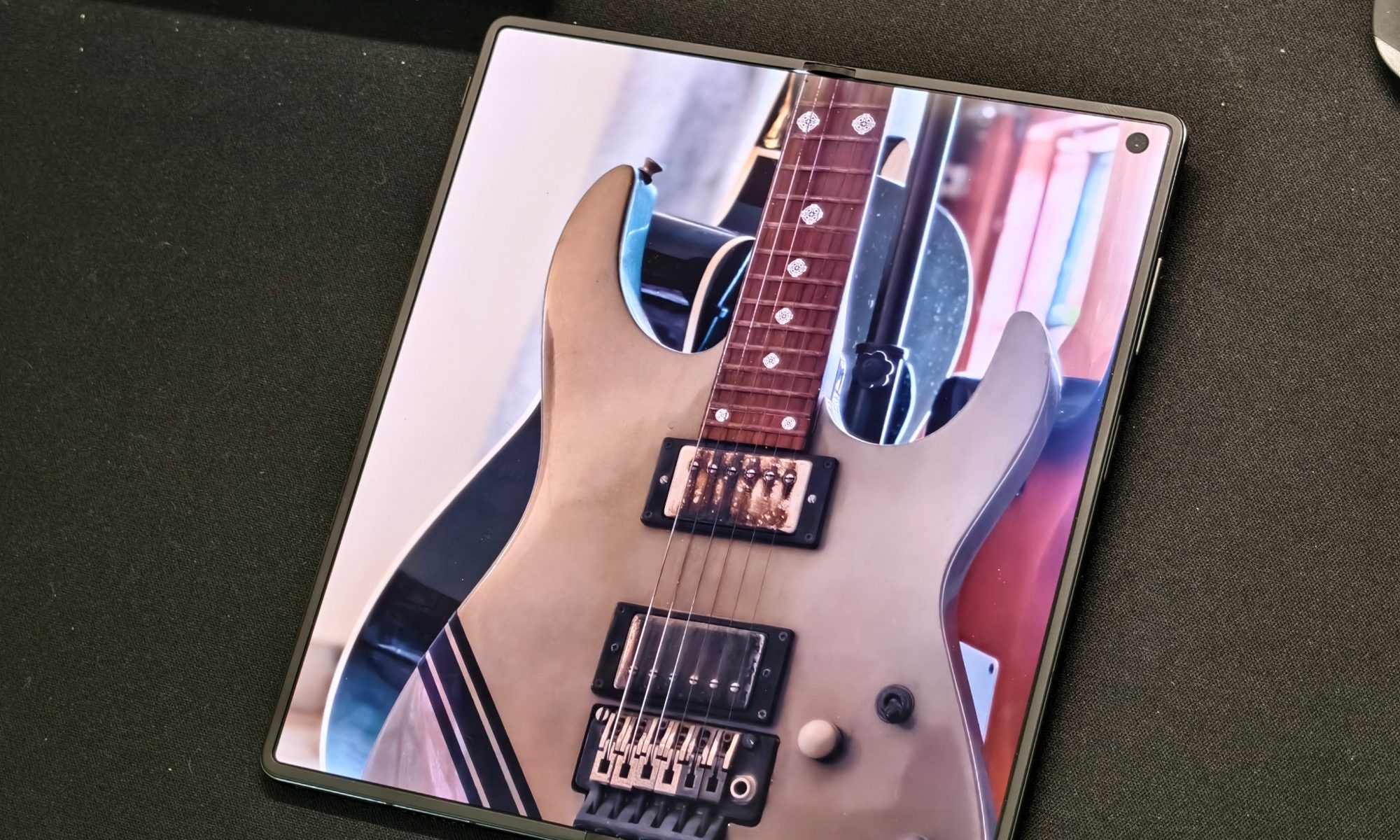
On the Vivo X Fold 5, you get a much bigger 6,000mAh battery. This is a dual-cell silicon anode battery that is claimed to last over a week in standby mode and can handle over a dozen hours of online meetings without requiring a top-up. But it’s not just the capacity where Samsung remains a laggard.
The Galaxy Z Fold 7 only supports 25W wired charging and 15W wireless charging. That’s one of the slowest charging speeds on a phone out there, let alone a device that costs as much as two thousand dollars.
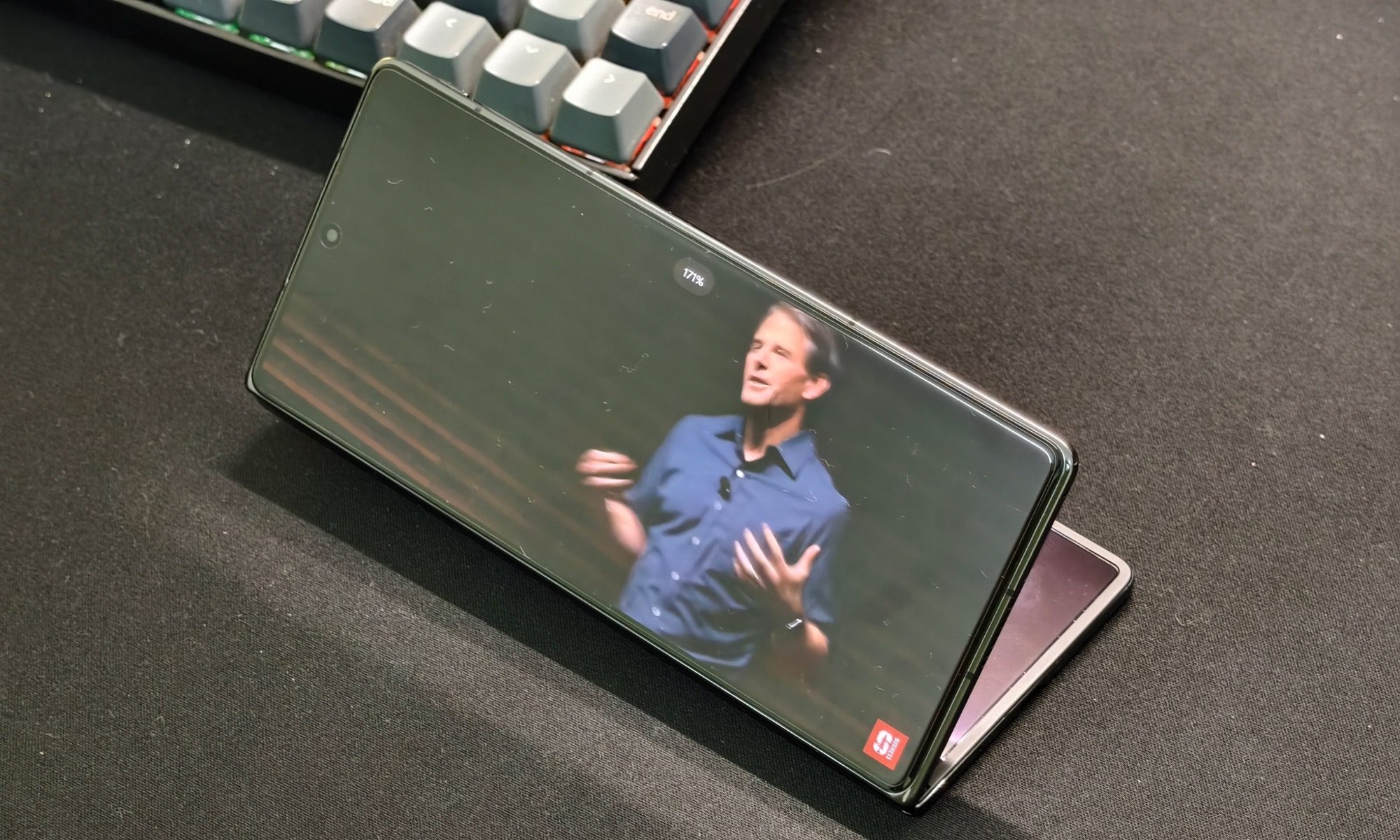
The Vivo X Fold 5 brings support for 80W wired charging to the table. During my tests, the battery went from 15% to full capacity in just about 45 minutes. Even the wireless charging pace is speedier than Samsung’s wired format, as the Vivo fold supports 40W wireless mode top-up.
Another crucial benefit is that the 80W fast charging brick comes bundled in the retail package. Samsung, on the other hand, will have you shell out extra cash because the Galaxy Z Fold 7’s box doesn’t come bundled with a charger inside.
A few other pitfalls
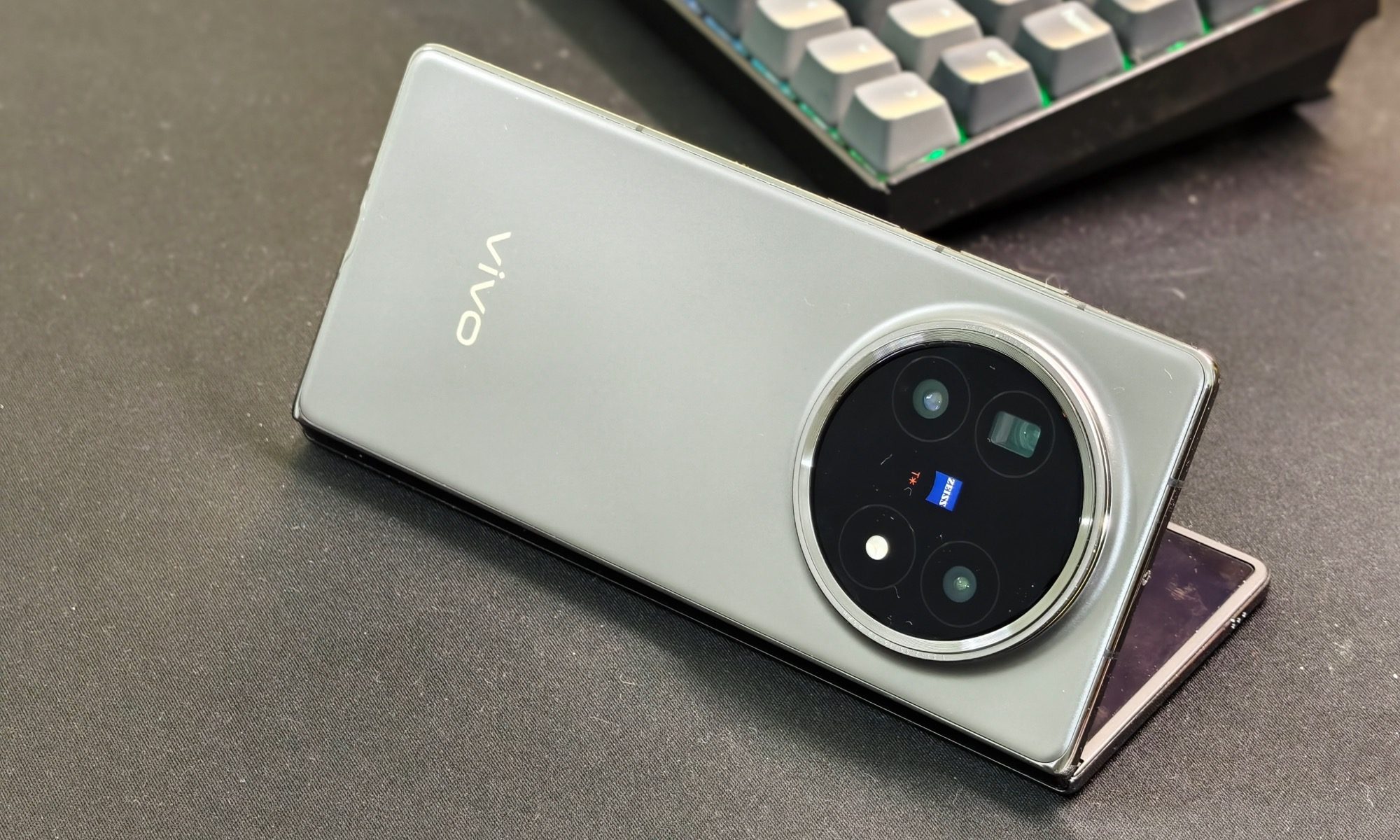
The Galaxy Z Fold 7 is a massive evolution, but only for Samsung fans. The Vivo X Fold 5 leapfrogs it in a few other crucial areas. For example, Samsung offers a 200-megapixel main primary camera, but the ultrawide and zoom snappers rely on fairly non-remarkable 12-megapixel and 10-megapixel sensors.
On the Vivo X Fold 5, you get a trio of 50-megapixel cameras at the back. In fact, Vivo has even managed to fit a periscope-style folded lens zoom system that offers much better results at long-range photo and video capture.
Samsung serves two 10-megapixel front cameras on its foldable, while the Vivo device offers a pair of 20-megapixel selfie cameras on its latest offering. Vivo’s camera prowess has consistently managed to impress, especially with its fantastic color processing and video capture chops. The X Fold 5 is no different.
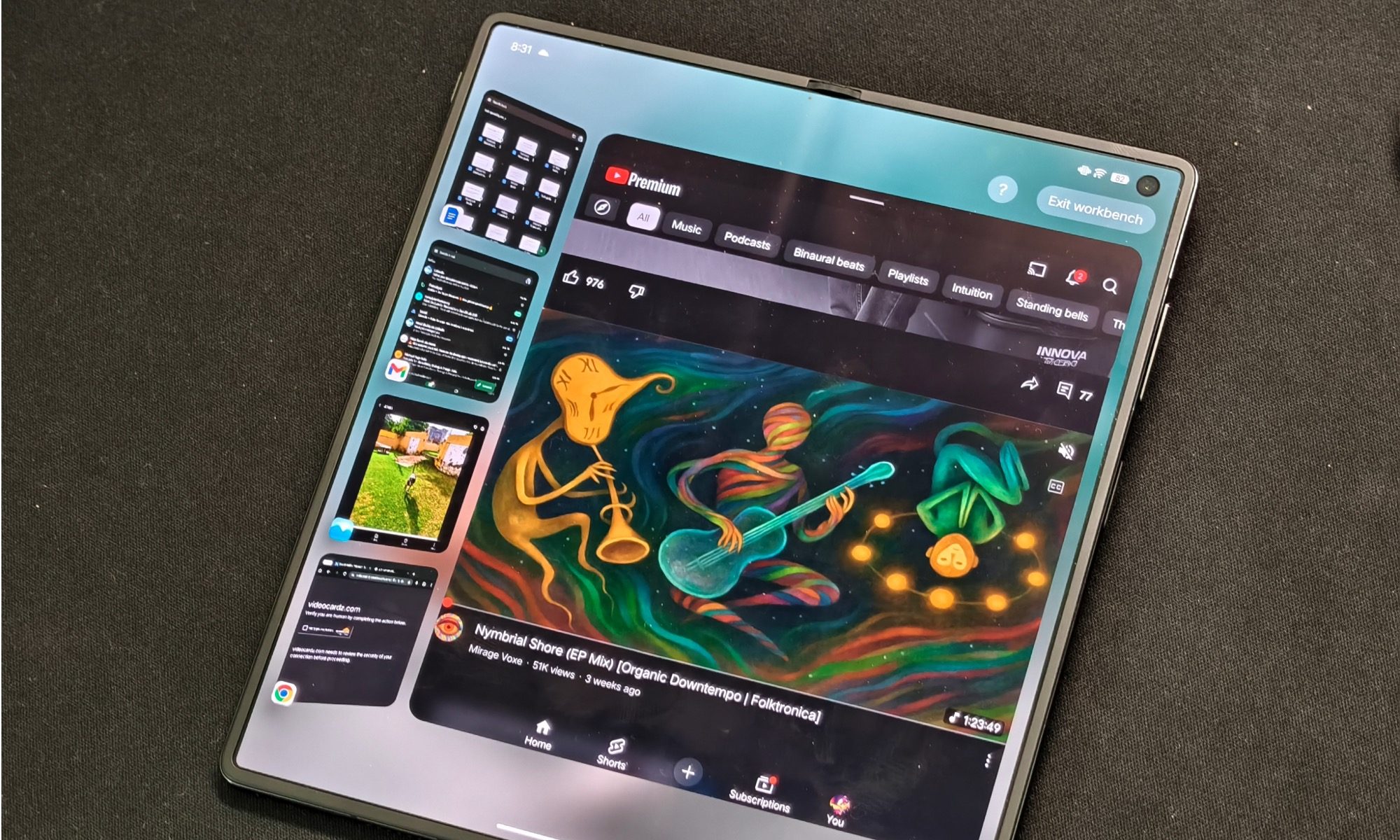
Talking about the display, the Galaxy Z Fold 7’s main OLED display goes up to 2,600 nits of peak brightness with the Vision Booster tech enabled. On the Vivo X Fold 5, the flexible 8-inch screen and the cover display, both reach an astounding 4,500 nits.
Also, Vivo has figured out a rather cool multitasking experience that looks quite similar to Apple’s Stage Manager. Overall, despite the generation-over-generation progress made by Samsung, the Vivo X Fold 5 emerges as the more meaningfully rewarding device over the Galaxy Z Fold 7.
The fact that Vivo’s sleek phone also happens to be significantly more affordable than its Samsung rival just happens to be the cherry on top.