Well folks, Nokia’s latest and greatest selection of phones is finally here. The company had a great 2017, and it looks like it’s planning on continuing that momentum into 2017. It has launched some excellent flagship devices, like the Nokia 8 Sirocco, but it is midrange phones like the Nokia 6 that could really make a mark on the overall smartphone landscape.
Of course, the Nokia 6 does have some serious competition, namely from devices like the Lenovo Moto G5S Plus. But which device is better? We put the two head-to-head to find out.
Specs
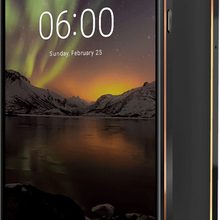
Nokia 6 (2018)
 |
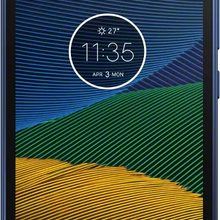
Lenovo Moto G5S Plus
 |
|
| Size | 148.8 x 75.8 x 8.2mm (5.86 x 2.98 x 0.32 inches) | 153.5 x 76.2 x 8mm (6.04 x 3.00 x 0.31-inches) |
| Weight | 6.07oz (172g) | 5.93oz (168g) |
| Screen | 5.5-inch LCD | 5.5-inch LCD |
| Resolution | 1080 x 1920 (401ppi) | 1080 x 1920 (401ppi) |
| OS | Android 8.0 | Android 7.1 |
| Storage | 32GB, 64GB | 32GB, 64GB |
| MicroSD card slot | Yes, up to 256GB | Yes, up to 256GB |
| NFC support | Yes | Yes |
| Processor | Qualcomm Snapdragon 630 | Qualcomm Snapdragon 625 |
| RAM | 3GB, 4GB | 3GB, 4GB |
| Connectivity | GSM/HSPA/EVDO/LTE | GSM/CDMA/HSPA/EVDO/LTE |
| Camera | 16MP rear, 8MP front | Dual 13MP rear, 8MP front |
| Video | 1080p | 2,160p |
| Bluetooth | Yes, version 5.0 | Yes, version 4.2 |
| Fingerprint sensor | Yes | Yes |
| Other sensors | Accelerometer, gyroscope, proximity, compass | Accelerometer, gyro, proximity |
| Water resistant | No | No |
| Battery | 3,000mAh | 3,000mAh |
| Ports | USB-C | Micro USB |
| Marketplace | Google Play | Google Play |
| Colors | Black/Copper, White/Iron, Blue/Gold | Lunar Grey, Fine Gold |
| Availability | April 2018 | |
| Price | 289 Euros | $250 |
| DT review | Hands-on | 4 out of 5 stars |
Glancing at the specs, these two phones seem very similar, though not exactly the same. The Lenovo Moto G5S Plus is powered by a Qualcomm Snapdragon 625 processor, which is a very decent midrange chip. The 2018 Nokia 6, however, steps things up a little, by offering the slightly newer Snapdragon 630. The two chips will offer similar performance, but the Snapdragon 630 is an updated version of the Snapdragon 625, so will be slightly more powerful and energy efficient.
Apart from the processor, the phones are very similar. They both offer either 3GB or 4GB of RAM, along with either 32GB or 64GB of storage, depending on the model you get. Both phones also offer a MicroSD card slot, so you can expand upon the included storage if you so choose.
Because of the newer and better processor, the Nokia 6 is the winner here.
Winner: Nokia 6
Design, display, and durability
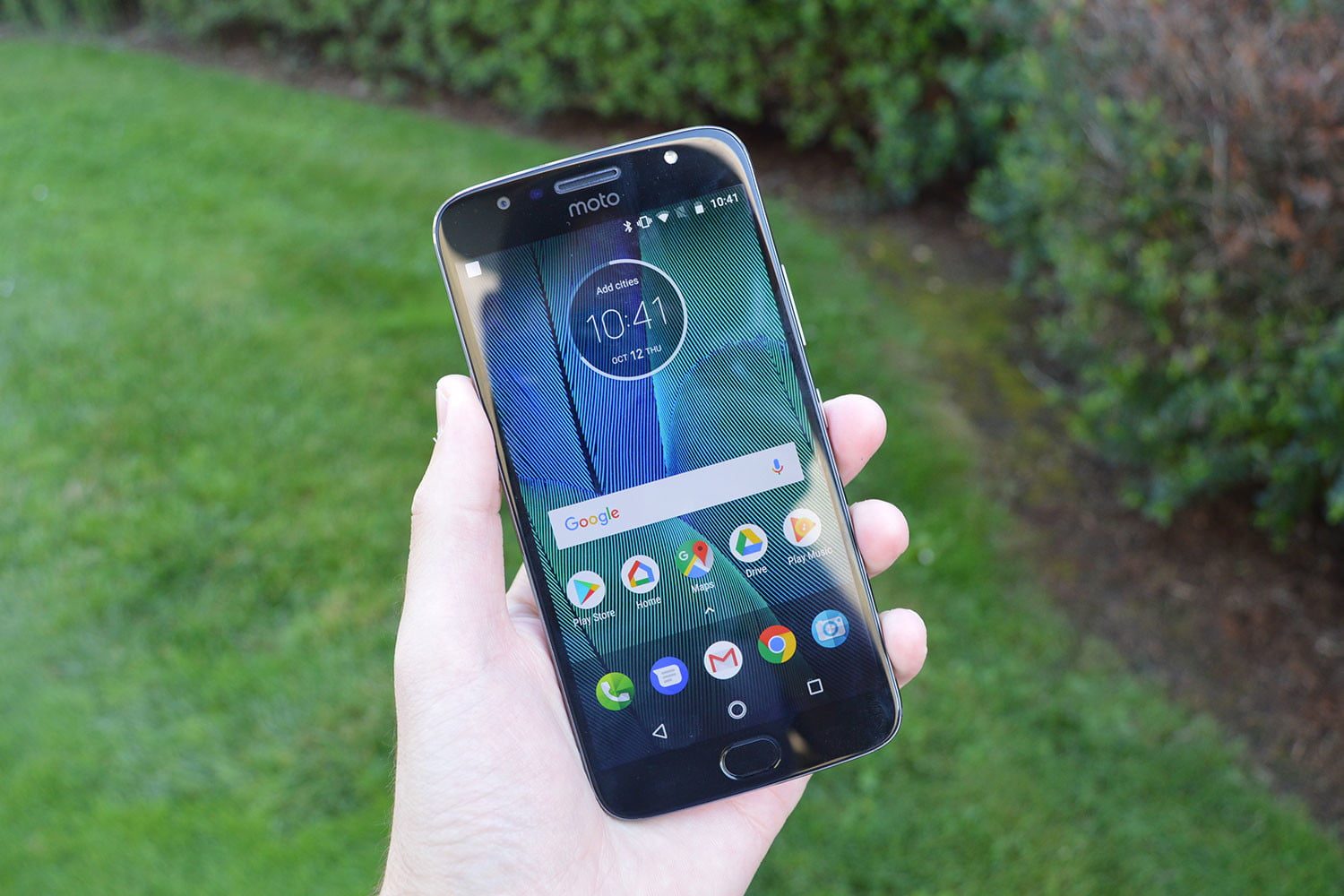
Neither the Nokia 6 nor the Lenovo Moto G5S Plus are flagship phones, and as such neither of them offer groundbreaking or overly interesting designs. That’s not to say they don’t look good — just that they don’t look all that interesting.
The Nokia 6 features a 5.5-inch display, with small bezels on either side, and a minimalistic design on the back, which is where you’ll find the camera and fingerprint sensor. The Moto G5S Plus, on the other hand, features a very Moto-esque design. It’s got the camera module on the back, with two sensors, along with a home button/fingerprint sensor combo on the front. Unlike the Nokia 6, on the bottom of the Moto you’ll find a MicroUSB port, and not a USB-C port, which is a little disappointing.
When it comes to the display, the two phones are identical. Both offer a 5.5-inch LCD display with a 1080p resolution and a pixel density of 401 pixels-per-inch.
The same is largely true when it comes to durability. Both phones have a metal frame and don’t offer water-resistance.
Because of how similar the phones are, it largely comes down to the slightly more modern design on the Nokia 6, along with the fact that it has a USB-C port.
Winner: Nokia 6
Battery life and charging

The similarities between the phones continue into the battery department. Both devices offer a 3,000mAh battery, and they’ll probably last a very similar amount of time given the fact that they have the same display. They also both offer a kind of quick charging technology. The Moto G5S Plus offers Motorola’s TurboPower, while the Nokia 6 features an unspecified fast-charging tech that will get you 50 percent charged in 30 minutes. Neither of the phones offer wireless charging.
Winner: Tie
Camera

The camera is perhaps the biggest point of difference between these two phones. The Nokia 6 offers a 16-megapixel sensor on the back with an aperture of f/2.0 and phase detection autofocus. The Moto G5S Plus, on the other hand, offers a dual-sensor camera, with two 13-megapixel sensors. It also offers an f/2.0 aperture and autofocus.
When it comes to raw quality, we’ll have to do more testing to find out which is better. In our hands-on review of the Nokia 6, we noted that the camera seemed to offer decently good picture quality in bright light. In our Moto G5S Plus review, we found that while the camera was fine at taking standard pictures, using both sensors resulted in less-than-ideal results.
For now, this one’s a tie.
Winner: Tie
Software

Both of these phones feature Android, but they approach Android a little differently. The Nokia 6 is actually part of Google’s Android One program — which means that Google will push updates directly to the phone. This will include both security updates and larger software updates, and they’ll likely be released like clockwork once a month.
The Moto G5S Plus, on the other hand, features a slightly tweaked version of Android, and while Lenovo hasn’t been terrible with updates, it hasn’t been the best either. Out of the box, the Moto G5S Plus features Android 7.1, though there is an Android 8.0 update on the way. The Nokia 6 features the latest and greatest Android 8.0 right away.
We can’t really get past the clean Android One look and the super timely updates. That makes the Nokia 6 the winner here.
Winner: Nokia 6
Price and availability
So far, the Nokia 6 seems to be the real winner here — but it also seems like it’ll be a little more expensive than the Moto G5S Plus. How much more? Well, we may not find out until the phone makes it to the U.S., if it ever does. Looking at pricing in Europe, the phone will come in at 289 euros. That equates to around $350, which is quite a bit more than the $250 price tag on the Moto G5S Plus.
Then there’s the availability, and Moto wins that category too. The Moto G5S Plus has been available in the U.S. for some time now, and you can get it off the Motorola website if you want it. The Nokia 6, on the other hand, won’t be available anywhere until April 2018, and even then it won’t be available in the States.
Winner: Buy Now
Overall winner: Nokia 6
The Nokia 6 is the clear winner here, but there’s a trade-off: Price. If you’re looking for a great phone at around the $250 mark, then you really can’t do much better than the Moto G5S Plus. If, however, you’re willing to shell out a little extra cash and don’t mind waiting until April, the Nokia 6 is more powerful, more modern, and should get timely updates.