  1. Home
  2. Phones
  3. Mobile
  4. News

The Samsung Galaxy Z Flip 7 may not get the chipset we were expecting

Add as a preferred source on Google
A side-view of a closed Samsung Galaxy Z Flip 6.
Joe Maring / Digital Trends

We’re at the time of year when rumors start to surface about next year’s Samsung devices. The latest one concerns the upcoming Galaxy Z Flip FE and Galaxy Z Flip 7. If true, it’s a significant development.

According to leaker @Jukanlosreve on X, the Galaxy Z Flip FE (Samsung’s upcoming budget foldable) is likely to use a Samsung Exynos 2400e chip, the same chip found in the recently introduced Galaxy S24 FE.

Recommended Videos

The biggest news, however, comes from the same leaker about the Galaxy Z Flip 7. It’s expected to be powered by an Exynos 2400 chip.

To provide some context, the current Galaxy Z Flip 6 utilizes the Qualcomm Snapdragon 8 Gen 3 chip, also found in the Galaxy S24 series. Previously, it was believed that Samsung would use the next-generation Snapdragon 8 Elite chip for the 2025 Galaxy S25 series and the Galaxy Z Flip 7. However, if we are to believe the latest rumor, that’s looking less likely.
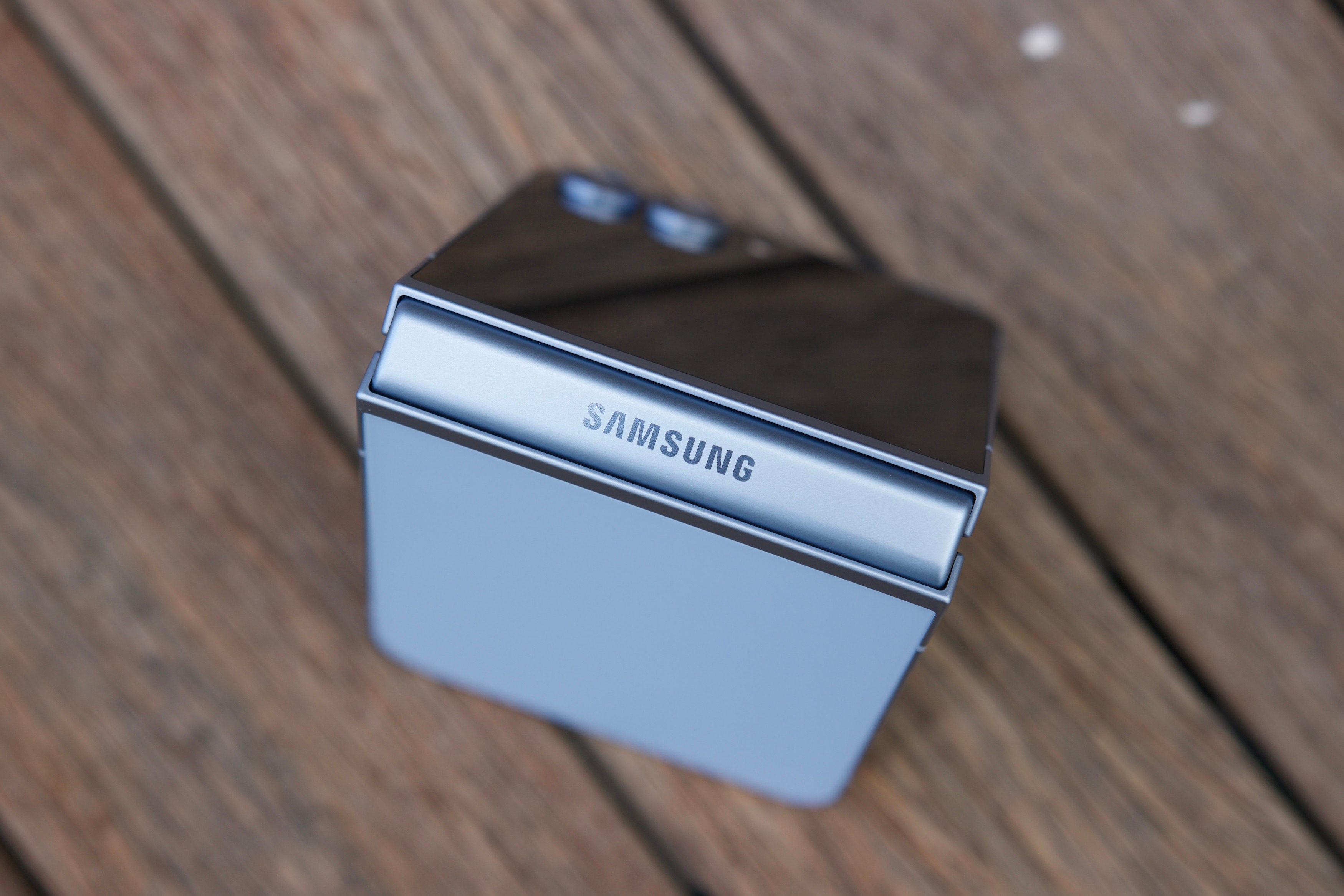
The Samsung logo on the Galaxy Z Flip 6.
Joe Maring / Digital Trends

Rumors about the first Galaxy Z Flip FE have been circulating for a while now. This “fan edition” model is expected to resemble the Galaxy Z Flip 6 but will feature a less advanced display, fewer storage options, and other cost-saving adjustments. As a result, we anticipate that the Galaxy Z Flip FE will be priced lower than the entry-level Galaxy Z Flip 6, which currently retails for nearly $1,100 in the U.S.

The Galaxy Z Flip 7 is anticipated to be Samsung’s flagship Z Flip model next year. It will likely feature camera updates and any design updates that Samsung intends to implement.

It will be an interesting strategy shift if Samsung transitions to Exynos for the Galaxy Z Flip 7 and the Galaxy Z Flip FE. We’ll know soon enough. The former is likely to be announced sometime next summer. The latter’s release date is slightly less certain, although a spring release is most likely.

Bryan M. Wolfe
Former Mobile and A/V Freelancer
Bryan M. Wolfe has over a decade of experience as a technology writer. He writes about mobile.
T-Mobile’s new financing plan sounds great until you realize what it’s preparing you for
T-Mobile's new financing plan smooths upfront costs while longer payments become the norm.
T-Mobile logo on iPhone

Every time a carrier says "no upfront cost," I brace myself for the asterisk buried in the fine print. T-Mobile's newest 36-month financing plan has one too, though it's dressed up quite nicely. 

T-Mobile, the second largest wireless carrier in the United States, just rolled out a financing option called EIP Flex 36. As the name suggests, it stretches device payments across three full years instead of the usual two. The real hook, however, is what it lets you skip at checkout. 

Read more
The OnePlus 16 could crank things up with a 200MP camera and a massive battery
The purported flagship could bring substantial upgrades across the board.
Person holding OnePlus 15.

Two fresh OnePlus 16 leaks just landed within days of each other. Together, they point to a flagship that could outlast its competition with its massive battery, and one that ships with genuinely better camera hardware than the OnePlus 15. 

So what's happening with the cameras?

Read more
RISION’s new pocket-sized cameras turns your phone into a nitfty thermal imaging tool
This tiny $119 camera gives your phone Predator vision
RISION Magic Pro in action

If you've ever had to look for any sort of heat leaks or hot wires, chances are that you've probably used a dedicated handheld camera. But RISION has just launched a tiny new camera tool to make the job easier (and more pocketable). It reminds me of the InfiRay we checked out a while back.

RISION has introduced the Magic and Magic Pro, two compact thermal cameras that plug directly into supported USB-C phones, tablets, and Windows computers. Each module weighs 24 grams, draws power from the connected device, and requires no separate battery. Support covers compatible iPhones, Android devices, and Windows PCs.

Read more