  1. Home
  2. Phones
  3. Android
  4. Mobile
  5. News

Sony joins the 3D facial recognition trend by demoing tech on an Xperia phone

Add as a preferred source on Google

One day in the not-too-distant future, you’ll be able to unlock your phone safely and reliably through facial recognition — not through a two-dimensional image capture, mind you, but with a camera that can sense three-dimensional depth. We know Apple is working on the feature, as is LG. And this week at Mobile World Congress Shanghai, Sony will reportedly demo the tech running on an Xperia phone in real time.

Considering there’s not a smartphone out there currently that supports three-dimensional facial recognition, and just a handful of Project Tango-enabled Asus and Lenovo products that can measure depth, it might seem like a great deal of buzz has been made over nothing. But there are a variety of far-reaching applications for depth-aware cameras besides authentication.
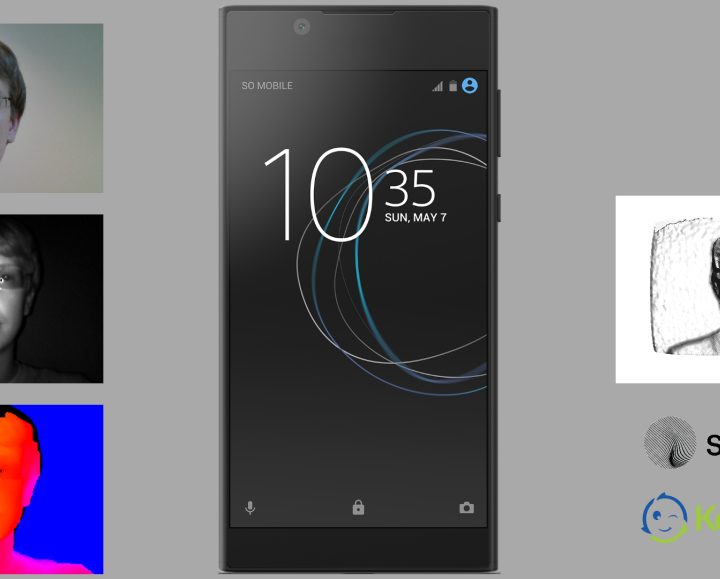
Image used with permission by copyright holder

Augmented reality is perhaps the most obvious one, affecting everything from gaming to shopping. There have also been depth-sensing stand-alone cameras in the past, like Lytro’s products, that enable refocusing after the shot.

Recommended Videos

Sony’s test, however, will be centered around authentication. The company’s SoftKinetic subsidiary, responsible for building imaging components, has partnered with Swiss firm KeyLemon, based on a report from TechCrunch. The result of their cooperation will be shown at the Shanghai trade show, though there is no indication that the feature will launch in an upcoming Xperia phone just yet.

Much of the news surrounding 3D front-facing cameras has concerned Apple, which has been rumored to implement the functionality in the next flagship iPhone, expected to be released this fall. The company snapped up PrimeSense back in 2013, a developer of depth-tracking technology which previously worked on Microsoft’s Kinect sensor for Xbox. Since then, we’ve heard the phone may sport iris scanning capabilities as well, thanks to a report from one of Apple’s suppliers, Largan Precision.

Ironically, some have speculated Apple is precisely the reason why Sony phones in the United States have historically lacked a different form of biometric authentication: Fingerprint scanning. The iPhone maker received a patent for embedding the sensor inside the power button back in 2015, as Phandroid reported earlier this month. Although it has never used that solution in any of its devices, Sony has taken exactly that approach with many of its phones produced over the past several years, and may have had to disable it in the U.S. to avoid infringement.

If Apple isn’t the one responsible, it could be the carriers, as Sony has cited “business reasons” in the past while referring to the strange omission for stateside customers. Either way, if 3D facial recognition is truly the next wave of smartphone security, it’s probably best for Sony to start riding it as soon as possible.

Adam Ismail
Former Contributor
Adam’s obsession with tech began at a young age, with a Sega Dreamcast – and he’s been hooked ever since. Previously…
Google Photos adds a quick toggle between AI and classic search
Classic search is finally easier to reach for people who enabled Ask Photos
Google's Ask Photos debut.

Google Photos is giving users an easier way to leave its Gemini-powered search when a simple keyword would do. A new toggle now sits at the top of the results page, letting users switch between Ask Photos and classic search without digging through settings.

The change appears to address feedback from people who opted into Ask Photos but wanted a quicker way to return to classic search when Gemini was slower or less useful for a straightforward query.

Read more
Snapseed Camera now lets Android users save original photos and add geotags
Google updates Snapseed Camera with geotag support and non-destructive photo editing
Snapseed App

Google appears to be quietly turning Snapseed into something more than just a photo editing app. Over the past few weeks, the company has been steadily adding new capabilities to Snapseed Camera, its standalone camera app for Android. The latest update introduces two practical features that many smartphone users have come to expect from modern camera apps: the ability to save an untouched copy of every image for future editing and support for embedding location data directly into photos.

Neither feature is flashy, but together they make Snapseed Camera a more capable photography tool, particularly for users who like experimenting with filters without permanently altering their original shots. According to a report by 9to5Google, the features are rolling out with Snapseed Camera version 4.1.1.x on Android.

Read more
Samsung unveils Galaxy credit card ahead of Galaxy Unpacked
Samsung launches Galaxy Card with cashback on Galaxy purchases
Galaxy credit card

For years, Samsung has worked to turn Galaxy into more than a smartphone brand. Today, the company's ecosystem stretches across foldables, smartwatches, televisions, home appliances, smart home products and digital services. Now, it's adding another piece to that puzzle, one that has little to do with hardware.

Samsung has officially introduced the Samsung Galaxy Card, its first branded credit card in the U.S. Designed in partnership with Barclays US Consumer Bank and operating on the Visa network, the card rewards users for everyday spending while offering significantly higher cashback on purchases made directly through Samsung.

Read more