1. Home
  2. Phones
  3. Mobile
  4. News

The Galaxy Z Fold 8 could land with a much better camera

Add as a preferred source on Google
Galaxy Z Fold 3 on a pavement.
Samsung

The Samsung Galaxy Z Fold 8 might do away with its under-display camera (UDC) in favor of a more traditional pinhole cam, according to well-known tipster yeux1122. The under-display tech has been a favorite of Samsung’s for a long time, but is only used in the Galaxy Z Fold series. UDCs provide a seamless, more streamlined appearance, but lack quality compared to a dedicated camera.

Yeux1122 shared the information on Naver, a Korean blog site. He suggests that under-display cameras are not as cost-efficient as other alternatives. Given the current economic climate, Yeux1122 says Apple has postponed implementation of the technology in its devices and that Samsung’s Galaxy division “is also moving in a similar direction.” Part of the reason is due to costs, but another is that Samsung is reportedly struggling to improve the technical aspects of the camera.

Recommended Videos

The upcoming Galaxy Z Fold 7 is expected to launch sometime this summer and will use an under-display camera, but future models could look more like the Galaxy Z Fold Special Edition — a phone that does use a pinhole camera.
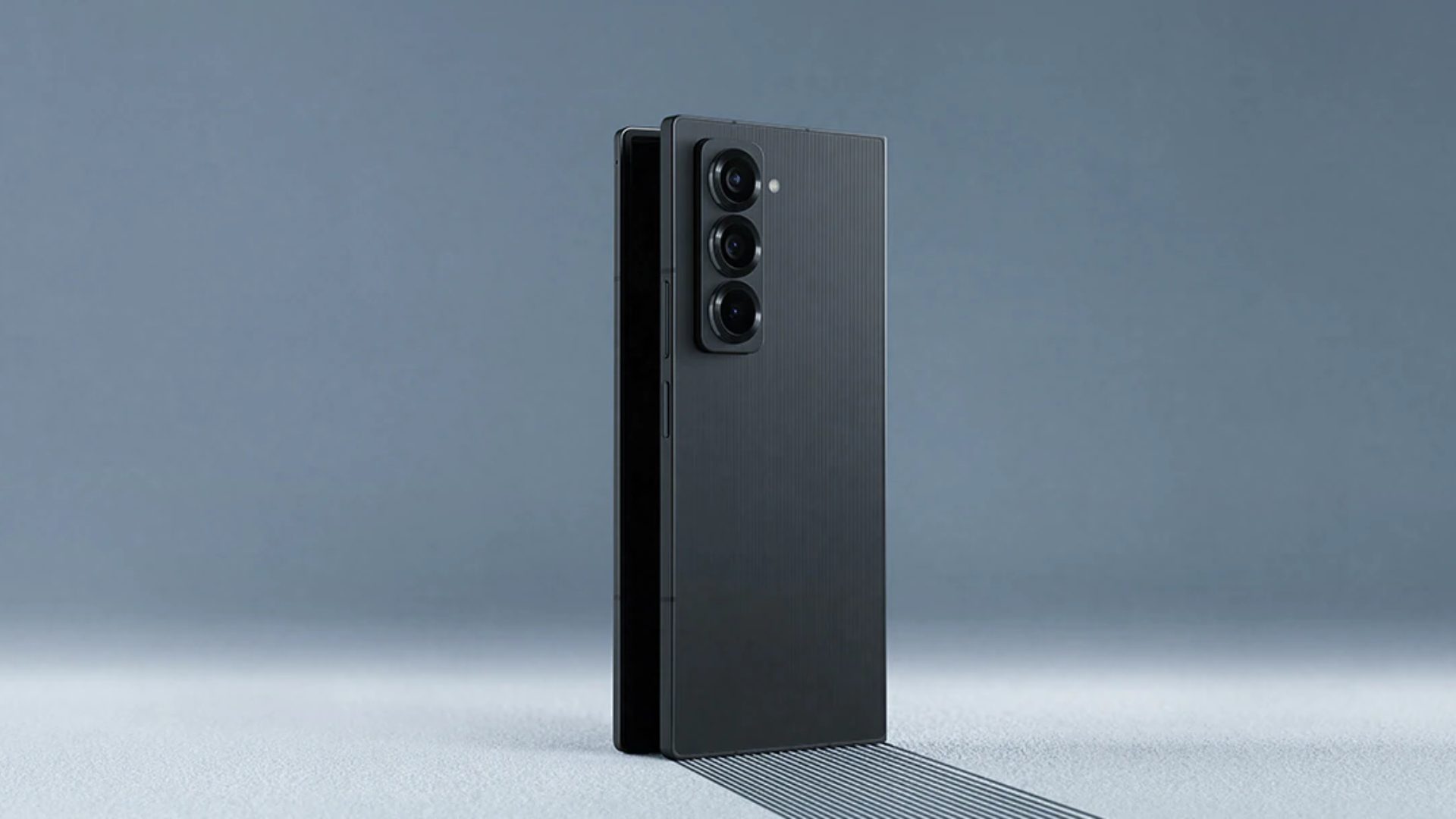
Companies use under-display cameras because they provide a more streamlined look to the device itself, but the cameras cannot take photos at the same resolution as other types of cameras. The pixels of the display above the camera prevent sufficient light from coming through, and can also cause light to be distorted. Images also suffer from less color accuracy due to the obstructions and the risk of color shifts.

Don’t worry, though; if Samsung does get rid of its under-display camera, the selfie and main cameras will still remain. Ditching UDCs could bring down costs and help keep the Galaxy Z Fold 8 more affordable, and let’s be honest: the UDC isn’t the main selling point of the handset, anyway.

Losing a feature — even an under-utilized one — is never fun, but doing so could allow Samsung to focus on improving the remaining cameras on the device and delivering a much-improved end product.

Patrick Hearn
Former Technology Writer
Patrick has written about tech for more than 15 years and isn't slowing down anytime soon. With previous clients ranging from…
Pixel 11 introduces a new way for deaf users to communicate with people who don’t know sign language
The Pixel 11's camera-based sign-to-text feature converts sign language into text for more natural face-to-face conversations.
Pixel 11 series sign to text featured

Google's new Pixel 11 series devices bring more than just hardware upgrades. One of the lineup's most interesting new features is designed to break down the communication barrier between deaf and hard-of-hearing users and those who don't know sign language.

Pixel Camera can now turn sign language into text

Read more
Samsung may have just killed a highly anticipated Galaxy S27 camera upgrade
Samsung may have dropped Galaxy S27 variable aperture plans to keep costs down
Samsung Galaxy S26 Ultra smartphone in blue color.

Samsung may have decided against bringing one of its old camera tricks back for the Galaxy S27 series, just as Apple prepares to adopt something similar on the iPhone 18 Pro.

According to Korean publication ETNews, Samsung has decided not to equip the Galaxy S27 series with a variable aperture camera. The company had reportedly been developing the technology with several camera module suppliers, including Samsung Electro-Mechanics and MCNEX.

Read more
Google’s new Tensor G6 brings serious performance, efficiency, and security upgrades to the Pixel 11 series
It also powers some of the new features exclusive to the Pro models, like 120x Pro Zoom and Instant Night Sight.
Tensor G6 featured

On the surface, the new Pixel 11 series may seem like an iterative refresh, but the devices bring one big change under the hood. All four models pack Google's new Tensor G6 chip, which is designed to make the latest generation of Pixels faster, more efficient, and better at handling the AI features that define the lineup.

Faster, smarter, and more efficient

Read more