1. Home
  2. Phones
  3. Android
  4. Computing
  5. Mobile
  6. Social Media
  7. Web
  8. News

Your Android might be controlled by a malicious Twitter account

Add as a preferred source on Google

Twitter has quite the storied history of being used for both good and evil, what with its ability to connect millions of people and allow them to communicate faster than ever before. But now, it’s being used to form some particularly malevolent connections.

According to a recent blog post from ESET, there’s a new kind of mobile malware that makes use of Twitter to control an Android device-based botnet. It’s the first known mobile malware to use this kind of social media account instead of a command-and-control server to exercise its power over infected devices.

Recommended Videos

It’s called Twitoor, and this Trojan apparently lies dormant on Android devices, and awaits commands from a malicious Twitter account. Commands can either tell Twitoor to download and install other applications — generally of the data-stealing mobile banking malware variety — or switch to another command-and-control Twitter account.

“Using Twitter instead of command-and-control servers is pretty innovative for an Android botnet,” said Lukas Stefanko, the ESET malware researcher who first found the app. Apparently, it’s been around for about a month, and while it can’t be downloaded from the Google Play store, experts think that devices are infected either with text messages or malicious URLs.

The use of social media networks in the botnet’s communication is rather creative, Stefanko admits, noting, “These communication channels are hard to discover and even harder to block entirely.” He added, “In the future, we can expect that the bad guys will try to make use of Facebook statuses or deploy LinkedIn and other social networks.”

So proceed with great caution, friends. Your Android could indeed be controlled by a rogue Twitter account. “Twitoor serves as another example of how cybercriminals keep on innovating their business,” Stefanko concluded. “The takeaway? Internet users should keep on securing their activities with good security solutions for both computers and mobile devices.”

Lulu Chang
Fascinated by the effects of technology on human interaction, Lulu believes that if her parents can use your new app…
TSMC might set up a price hike that could come straight for your next phone, laptop, or tablet
Here's what TSMC's rumored 10% chip price increase actually means in dollar terms, and why your next phone or laptop could end up costing more.
TSMC Fab

My wallet flinched the second I saw the words "TSMC" and "price increase" in the same headline, and honestly, yours should too.

Turns out the company behind the silicon powering basically every flagship device out there, including Apple’s A-series and Qualcomm’s Snapdragon processors, is reportedly about to make all of it a little pricier.

Read more
Samsung’s free storage doubling for preorders is gone in Austria, and the replacement isn’t as sweet
Samsung's free storage doubling deal might just be history.
The back of the Galaxy Z Fold 7

If you've pre-ordered a Samsung foldable purely for the free storage bump, tomorrow's Unpacked event might sting a little.

For years, pre-ordering a new Galaxy meant automatically getting double the storage at no additional charge. Buy the 128GB model, walk away with 256GB for the same price. The same applied to the 256GB and 512GB models. However, that might change at the upcoming Galaxy Unpacked event. 

Read more
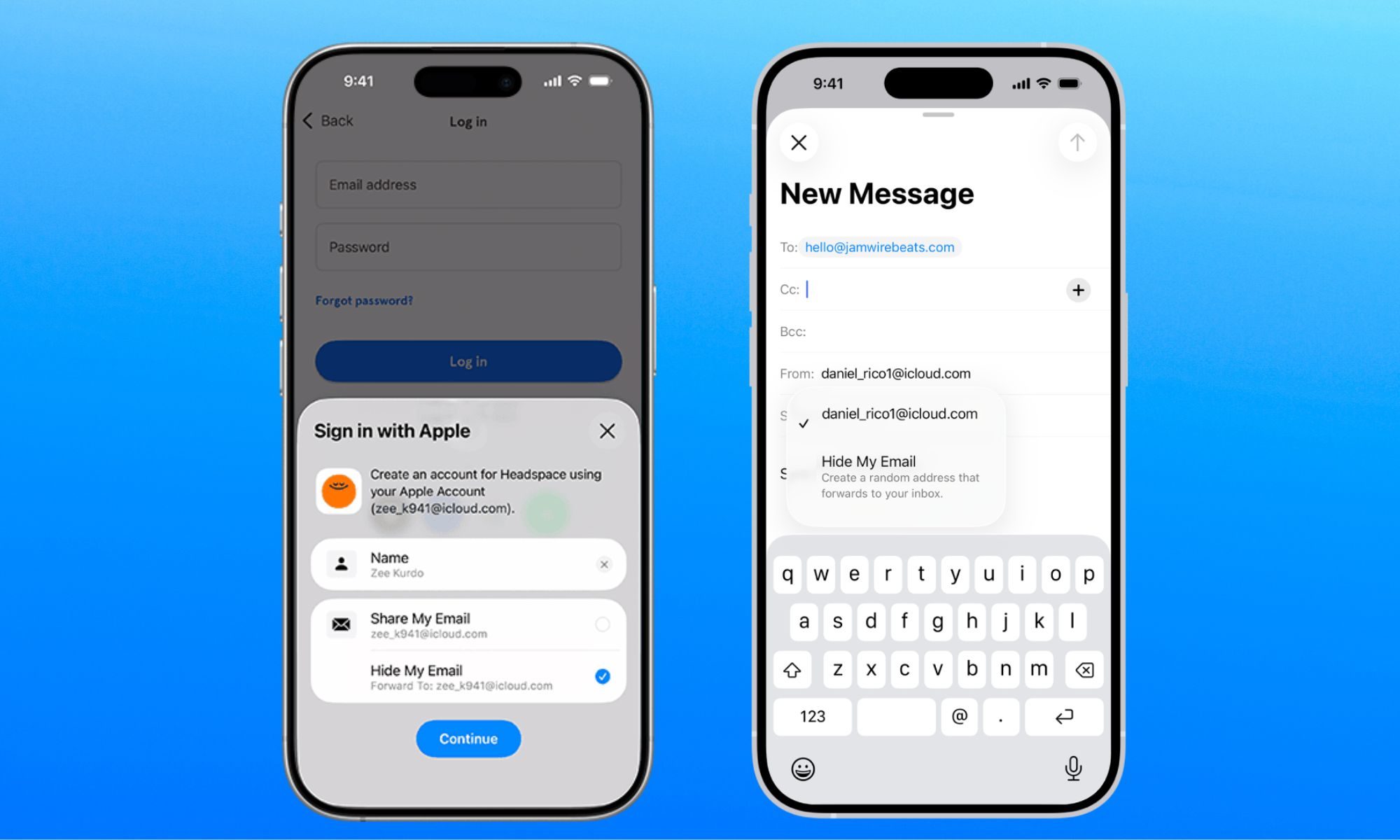
Apple fixes Hide My Email bug that exposed users’ real email addresses
Here's how Apple's Hide My Email flaw leaked real addresses for over a year, and why it only got fixed once the story went public.
apple-merging-sign-in-with-apple-hide-my-email-icloud+

Turns out the "Hide" part of Hide My Email wasn't doing its job quite as advertised, something that I covered early in July. Security researcher Tyler Murphy reported the flaw in June 2025, but despite Apple claiming it was resolved in March 2026, independent tests confirmed it remained exploitable, at least until July 3, 2026.

So how did this bug actually work?

Read more