  1. Home
  2. Social Media
  3. News

Facebook forced to pay $550 million settlement over facial recognition lawsuit

Add as a preferred source on Google
 

Facebook is going to have to pay quite a few people money as part of the settlement of a facial-recognition lawsuit. The catch is you have to live in Illinois.

Recommended Videos

Illinois has some of the strictest biometric privacy laws, and a 2015 lawsuit alleges that the social network violated these laws through the use of facial-recognition software in its photo tag feature without people’s consent. Illinois’ 2008 law requires companies to obtain permission before using people’s biometric data and be transparent with how the data is used and kept.

Once the settlement is approved by a judge, Facebook will have to shell out $550 million to people in Illinois, which the Chicago Tribune said will result in each person affected getting up to a couple of hundred dollars.
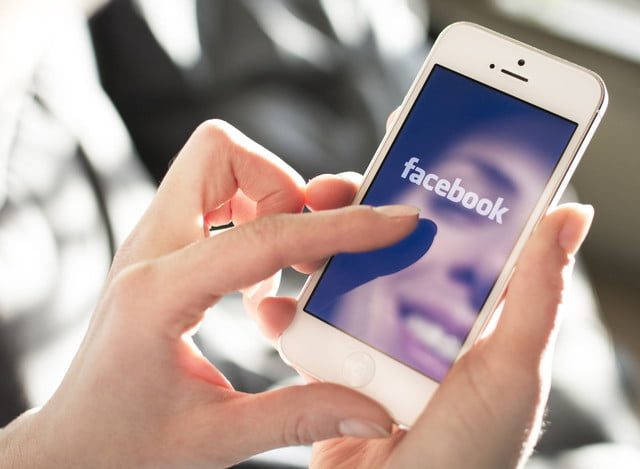
Facebook
Image used with permission by copyright holder

Attorney Jay Edelson, whose firm represents some of those who filed in the 2015 lawsuit, told the Chicago Tribune that those eligible for a claim would be directly notified.

“We are expecting a record number of claims to be filed,” Edelson told the Tribune. “But even with that, we think that the class members are going to get a good amount of money.”

February court date

The payout timeline will be set during a February 6 court date. Illinois residents can most likely expect to start being notified about the claim in a month.

A Facebook spokesperson told Digital Trends that it chose a settlement over going to trial.

“We decided to pursue a settlement, as it was in the best interest of our community and our shareholders to move past this matter,” the spokesperson said.

Facebook has been in hot water over its use of facial recognition software before. The technology used in the photo tagging feature was, in part, a reason for Facebook having to pay the Federal Trade Commission (FTC) a historic $5 billion settlement last summer. The FTC said Facebook misrepresented users’ ability to control how their photos were used for facial recognition.

You’ve probably used the feature before: Facial recognition software matches faces in your photos to you or your friends and suggests people to tag. 

In September, Facebook announced that it would stop using facial recognition by default on your photos and tagging suggestions. Users can easily opt-in or opt-out of the tag suggestion feature and those who do not have the feature on will not appear in suggested tags or the Photo Review feature.

Allison Matyus
Former Digital Trends Contributor
Allison Matyus is a general news reporter at Digital Trends. She covers any and all tech news, including issues around social…
Child abuse material continues to surface on X despite Elon Musk’s promises
New investigation claims several previously flagged child abuse images were found on X.
X-logo

Elon Musk once called removing child sexual abuse material from X his top priority. Yet new investigations suggest the platform still struggles to keep known abusive content offline. Reviews by The New York Times and the Canadian Center for Child Protection found previously flagged material on X, while Grok generated sexualized images involving children earlier this year.

Grok generated images involving known abuse victims

Read more
Researchers warn that social media can reveal sensitive details about users
Social media activity can reveal your politics, religion, and shopping habits, researchers warn
Social Media

What you post online is only part of the story. A new review of research into social media privacy warns that platforms and third parties can potentially infer sensitive details about people from seemingly ordinary digital activity, including their political opinions, religious leanings and shopping habits.

The findings, as reported by Techxplore, published in the International Journal of Management Concepts and Philosophy, point to a widening gap between the amount of personal information generated online and the legal and ethical protections designed to safeguard it. The researchers examined privacy breaches, regulatory frameworks, and the responsibilities of both social media companies and their users.

Read more
Instagram scammers are holding creators’ accounts hostage with copyright strikes
Meta’s copyright system is being weaponized against the creators it’s supposed to protect
A person holding a phone with the Instagram app open on it.

Imagine waking up to find your Instagram account suspended because someone claims you stole their content. You might know that the claim is false, but appealing it could take weeks. If you're a content creator, each day offline could cost you money. Meanwhile, the person behind the complaint offers to make the problem disappear for just a few hundred dollars.

According to a new BBC investigation, Instagram creators are being hit with this new online racket. Scammers are filing bogus copyright complaints and demanding payment to withdraw them, exploiting the fact that repeated claims can put an account at risk of suspension. The account owner may still have their password and login credentials, but that does little good when their content or account has been taken offline.

Read more