1. Home
  2. Space
  3. News

Someone just bid a whopping $4M for a seat on Blue Origin rocket ride

Add as a preferred source on Google

Blue Origin will soon launch its first-ever space tourism rocket trip. Inside a capsule atop its New Shepard booster will be none other than Amazon founder and Blue Origin owner Jeff Bezos, along with his brother, Mark, and the person who bids the most in an online auction this weekend.

This seat will change how you see the world.

The charity auction for the coveted seat actually started last month, with the current bid increasing in the last couple of days from $2.8 million to a whopping $4 million. The identity of the bidders hasn’t been made public.

Recommended Videos

The current phase of the auction will end on Thursday, June 10, with the final auction event taking place on Saturday, June 12, in which the previous highest bidders will have a chance to make their final offers.

Blue Origin will livestream Saturday’s auction, so if you fancy seeing precisely how much someone is prepared to cough up for the company’s first-ever crewed, suborbital space trip, then read on for details on how to watch.

The auction livestream will take place on Blue Origin’s website at 1 p.m. ET (10 a.m. PT) on Saturday. How long the auction takes of course depends on whether multiple bidders end up battling it out over a prolonged period, or whether most of them quickly fall away as the price climbs out of reach.

Once the auction is over, the winner, plus the Bezos brothers, will start training for the spaceflight, which is set to launch from Blue Origin’s spaceport in the West Texas desert on Tuesday, July 20.

Truth be told, there shouldn’t be too much preparation involved as Blue Origin’s 10-minute space tourism experience is largely automated. Shortly after liftoff, the capsule will release from the rocket and travel onward to the Kármán line, a location about 62 miles above Earth that’s widely accepted as marking the edge of space.

After a brief period of weightlessness inside the capsule, and after admiring what promises to be an epic view of Earth, the capsule and its passengers will return home in a parachute-assisted landing in the desert, not far from the launch site.

Blue Origin is aiming to launch a commercial flight service with regular trips to suborbital space. Rather than costing millions of dollars, however, a seat is expected to cost around $250,000, which is what rival space tourism service Virgin Galactic has been charging for reservations for its similar, yet-to-launch space experience.

Trevor Mogg
Contributing Editor
Not so many moons ago, Trevor moved from one tea-loving island nation that drives on the left (Britain) to another (Japan)…
SpaceX Starship reaches orbit for the first time but its historic flight ends early
Starship reaches orbit for the first time and deploys 26 Starlink satellites before an early splashdown.
spacex-starship

After 13 suborbital test flights and more than $15 billion in development costs, SpaceX's Starship has finally reached orbit. The 407-foot megarocket, the most powerful ever built, lifted off from Starbase, Texas, on Monday and delivered its first real payload on it's 14th attempt. The celebration came with an asterisk, though, since SpaceX had to cut the planned 10-hour mission to roughly three hours.

https://twitter.com/SpaceX/status/2104601695711904180

Read more
Starship is finally going orbital, and SpaceX has picked September 22
Flight 14 is aiming for orbit, Starlink V3 deployment and a very long day in space.
Starship rocket.

SpaceX is finally ready to give Starship its biggest test yet. The company says the massive rocket's 14th test flight is scheduled for September 22, when it will attempt to put the upper stage into Earth orbit for the first time. The launch is currently pending regulatory approval, with a 75-minute window opening at 7:15 a.m. CT.

Starship has 26 Starlink satellites to deliver

Read more
Want a city on the Moon? Scientists say there’s not enough water
A billion tons still comes up short
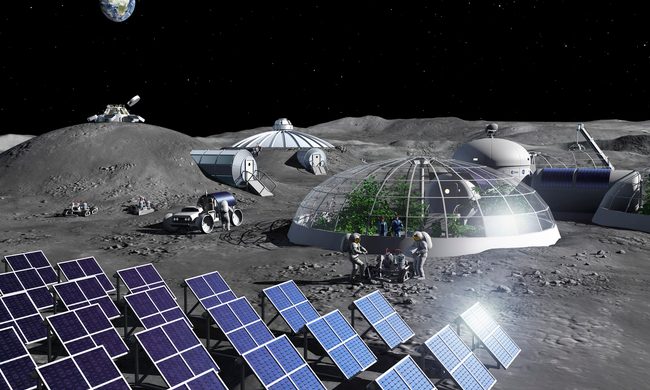
Artist impression of activities in a Moon Base.

For decades, humanity has looked up at the Moon and wondered what it would be like to live on it. Think sprawling cities, factories, research centers, and permanent human settlements. Unfortunately, there is one fairly fundamental problem with that vision.

A new study published in Frontiers in Space Technologies argues that even the Moon's potentially enormous reserves of frozen water may be nowhere near enough to support city-sized populations sustainably. Researchers Martin Elvis and Jonathan McDowell estimate that the permanently shadowed regions near the lunar poles could contain roughly one billion tons of water. It sounds like an extraordinary amount until you put a million thirsty humans next to it.

Read more