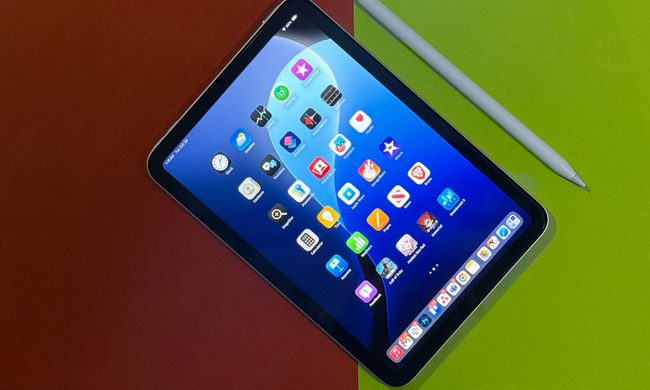
OnePlus started its journey making fast phones that didn’t cost an outrageous amount of money — a strategy that soon trickled down to earbuds and subsequently made its way to the tablet segment. The OnePlus Pad arrived in April, serving a sleek slate with a high-resolution 144Hz screen and a top-tier chip for a price lower than Apple’s entry-level iPad.
Now, OnePlus is climbing further down the affordability ladder with a new tablet – the OnePlus Pad Go. The company exclusively shared marketing visuals of the tablet with Digital Trends and went into detail about diving deep into a product category that has received flak for being at the receiving end of shoddy software experience.
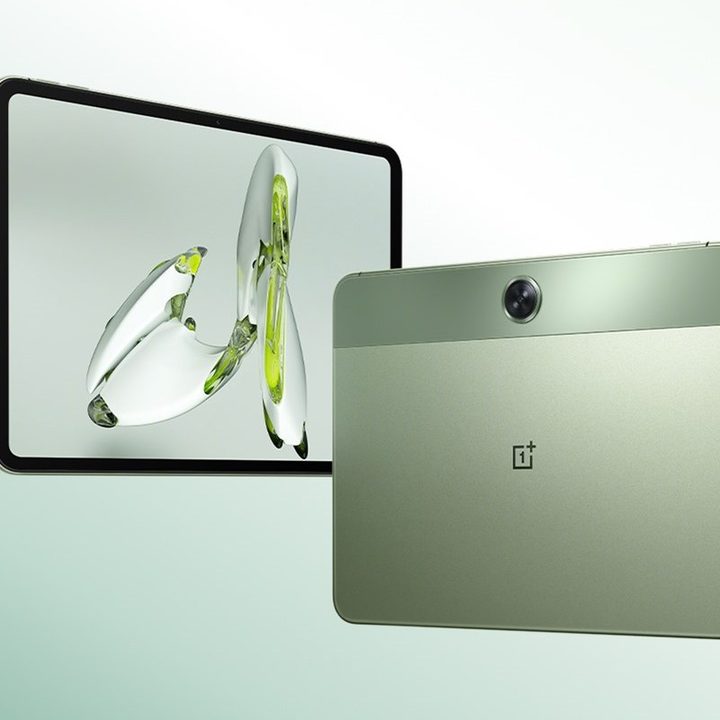
Let’s start with the looks. The OnePlus Pad Go doesn’t deviate too far away from the OnePlus Pad, embracing its signature green profile — albeit a lighter shade this time around — and curved sides. The latter is a rare trait in the world of tablets these days and makes it noticeably easier to hold them without worrying about the sharp sides digging into your palms.

The bezels also retain the same profile as its pricier sibling, and the subtle wraparound effect where the glass meets the frame is there, as well. Over at the back, the OnePlus Pad Go goes a step further and embraces a two-tone look with a thick strip running horizontally alongside the top edge.
It’s a familiar design, and if my own experience with the OnePlus Pad is anything to go by, the OnePlus Pad Go will also turn out to be a polished Android tablet with its unique take on aesthetics and a rewarding software experience courtesy of Oxygen OS.
But despite its budget tablet status, the OnePlus Pad Go doesn’t appear to dilute the most fundamental part of the tablet experience – its screen. OnePlus COO and President, Kinder Liu, tells me that the upcoming tablet will feature a 2.4K display.

Going by the textbook definition, a 2K panel is one where the wider edge contributes 2000 pixels to the overall resolution. For reference, the OnePlus Pad offers a screen resolution of 2800 x 2000 pixels, which translates to a pixel density of 296ppi on its 11.6-inch screen.
That’s a resolution higher than the 11-inch iPad Pro, which offers a 120Hz panel with resolution figures of 2388 x 1668 pixels. The OnePlus Pad Go appears to follow in the same welcome footsteps as its more premium sibling and even appears to ape the 7:5 aspect ratio.
Liu calls it “a mid-tier entertainment tablet.” one that offers an “outstanding visual quality without breaking the bank.” Going with that pixel-dense screen on the OnePlus Pad Go are a few other goodies, such as TÜV Rheinland certification for eye care (read: protecting your eyes from harmful rays blasting from a bright LCD panel) and Dolby Atmos for high-fidelity audio output.
What's work without a little play!
Take a guess.#AllPlayAllDay pic.twitter.com/FrX0Lct3Zh
— OnePlus India (@OnePlus_IN) September 14, 2023
There are a few additional aspects that make the OnePlus Pad Go stand out from the competition. For example, the Content Sync feature allows OnePlus smartphone users to easily access their media and share a synced clipboard with the tablet. The multimedia transfer comes to life with a simple drag-and-drop gesture and doesn’t require any account login hassles, the way you are tied to Apple ID syncing across an iPhone and iPad.
OnePlus also wants to end the hassle of data hotspots with a networking tool that allows data sharing between its phones and tablets natively. Notification syncing and screen mirroring are also a part of the software toolkit, and so is the ability to handle calls across devices. At the end of the day, Liu says that the “overarching vision is to establish a comprehensive OnePlus ecosystem.”
It’s definitely a positive sign to see OnePlus developing features that go beyond the content consumption appeal of tablets. But Google’s on-off interest in large-screen devices has me worried about the future of tablets. OnePlus, it seems, is here to play the long game.
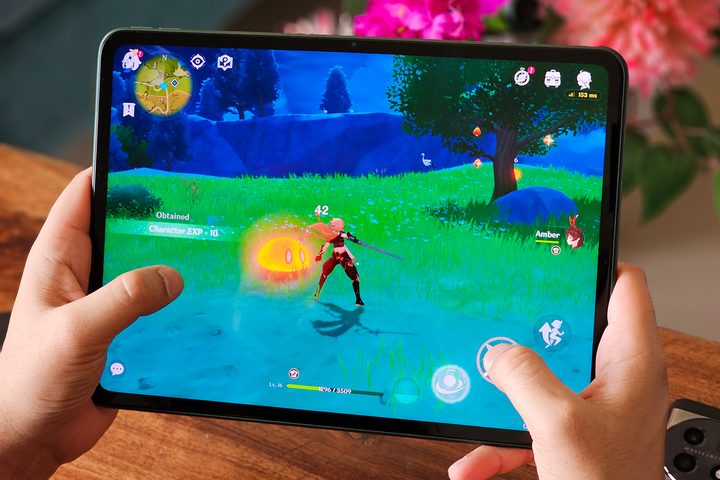
“We are committed to the ongoing development and expansion of both these product lines to effectively cater to the diverse needs of our ever-expanding consumer base in the near future,” says the OnePlus executive. At launch, the OnePlus Pad Go will boot Android 13-based Oxygen OS, but OxygenOS 14 is right around the corner and will likely make it to the budget tablet in the early wave.
“Cross-device interaction” is one area that OnePlus is paying special attention to, and makes sense given the company’s ever-diversifying portfolio of devices. It’s the same strategy that makes Apple devices appealing owing to the ecosystem benefits, and I am hoping that OnePlus digs deeper into this side of software-hardware harmony down the road.
But this cross-device confluence isn’t stopping there. “While these two categories are already well-integrated, other categories such as our smartwatches, are in the nascent stages of optimization,” Liu adds, referencing OnePlus’ maiden smartwatch that is no longer sold in the U.S.
At the moment, we don’t have clarity on a launch date for the OnePlus Pad Go, but the road ahead is packed. Aside from a new tablet, the company is also prepping the launch of its first foldable phone later this year. We’ll soon have our hands on these devices and keep you posted with the experience of using OnePlus’ fresh hardware.