1. Home
  2. Wearables
  3. Mobile
  4. News

The Apple Watch Series 10 is missing a critical feature

Add as a preferred source on Google
The Apple Watch Series 10.
Joe Maring / Digital Trends

Apple’s latest smartwatch has attracted a lot of attention for its sleek design revision and the addition of a sleep apnea detection system. Yet, as the company inches closer to putting the Apple Watch Series 10 on the shelf, the smartwatch will be missing a crucial feature: blood oxygen tracking.

Also known as SpO2 level analysis, the feature was first introduced about half a decade ago and has been a mainstay on Apple smartwatches ever since. However, earlier this year, Apple was ordered to stop the sale of Apple Watch Series 9 and Apple Watch Ultra 2 smartwatches in the U.S. You can still buy the watches, but they’re sold without the blood oxygen tracking app. That ban has now engulfed the Apple Watch Series 10 as well.

Recommended Videos

If you live in the U.S., the Apple Watch Series 10 units won’t let you access the Blood Oxygen app. “The ability to measure blood oxygen is no longer available on Apple Watch units sold by Apple in the United States beginning January 18, 2024. These are indicated with part numbers ending in LW/A,” says a footnote on the official Apple Store webpage.

Apple is in trouble due to a patent dispute with a medical tech company named Masimo. The two companies have been embroiled in a lengthy legal battle over the blood oxygen sensor stack, with Masimo claiming that Apple infringed on its patented wearable technology.
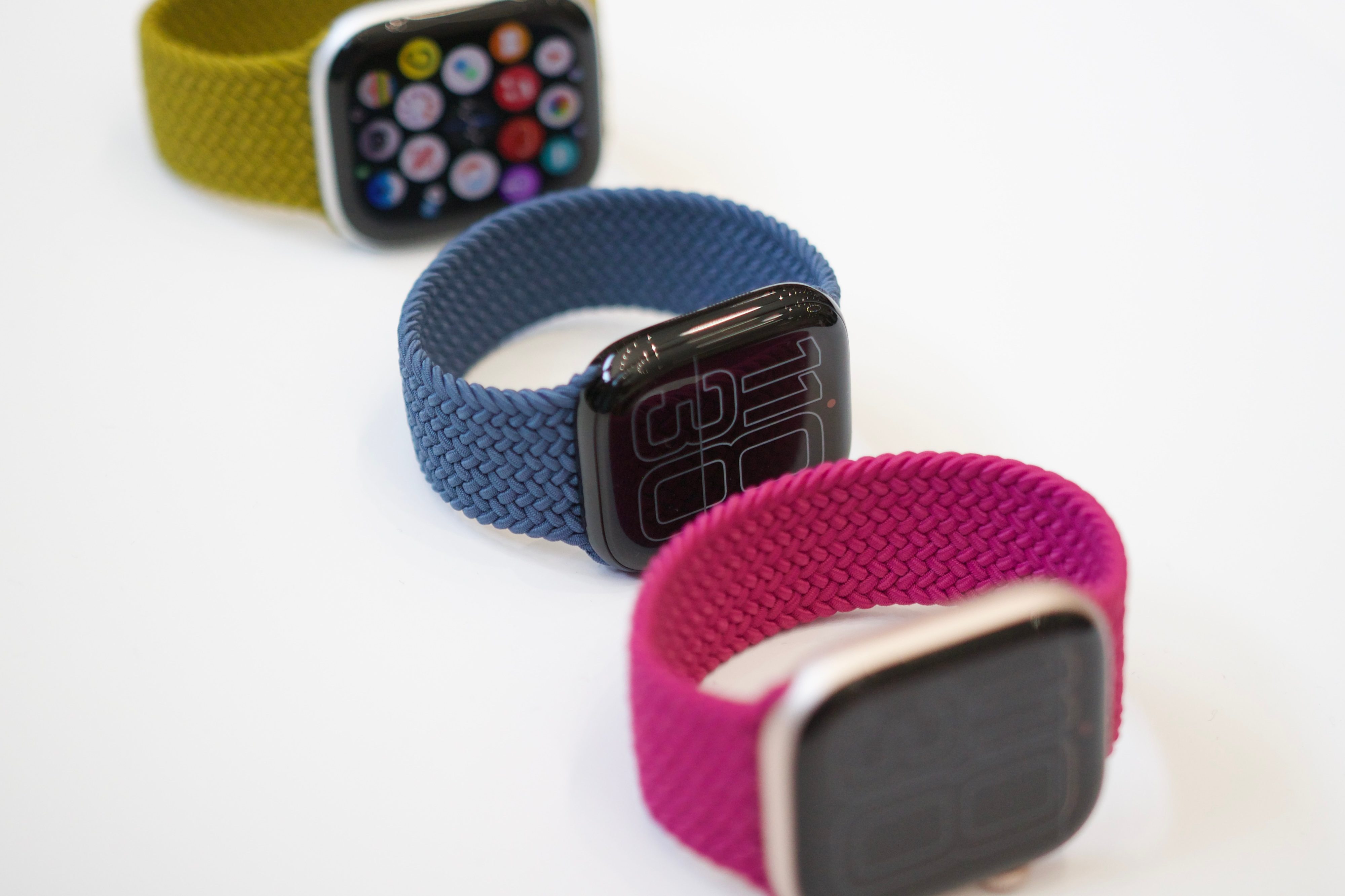
The Apple Watch Series 10.
Joe Maring / Digital Trends

Masimo was reportedly in talks with Apple before the release of the first Apple Watch, but the two companies failed to reach an agreement. The tech was said to be in development back then, but it only made its way to the market with the Apple Watch Series 6.

A U.S. International Trade Commission (ITC) ruling that Apple’s blood oxygen sensors infringed on Masimo’s patents led to a temporary sales block on Apple Watches in the U.S. late last year. Apple, for its part, has tried to get the ruling overturned, after being found of at least partially infringing on patents held by Masimo.

So far, there is no clarity if, or when, the blood oxygen measurement system on Apple Watch Series 10 will start working for buyers in the U.S. But the most likely route will have to pass through another court verdict, one that lands in Apple’s favor.

Nadeem Sarwar
Nadeem is the Managing Editor at Digital Trends.
This smart ring makes a blood pressure promise Apple and Oura still won’t
The $399 Signal Ring provides actual systolic and diastolic readings, but it’s launching as a wellness device without FDA clearance
Oura Ring 4, Galaxy Ring and RingConn Gen 2 in the palm of a hand

Vital Signals has unveiled a $399 smart ring that goes further than Apple and Oura currently dare. The Signal Ring displays numerical blood pressure readings without requiring an arm cuff for initial or recurring calibration.

Bloomberg reports that preorders open July 16, with shipping scheduled to begin in October. The ring can collect readings during the day and overnight, then display the results through an iOS or Android app.

Read more
HTC’s smart glasses are apparently coming to the US, but HTC hasn’t said so
Amazon briefly listed the VIVE Eagle for a September 1 launch, while HTC still says the $499 glasses are only available in Taiwan
A woman wearing the HTC Vive Eagle smart glasses

HTC’s VIVE Eagle smart glasses could finally be heading to the US. Apparently, Amazon got the memo before HTC was ready to share it.

Notebookcheck spotted six versions available for preorder at $499, each carrying a September 1 release date. Amazon has since pulled the pages, so new orders are closed and anyone who already placed one is left wondering whether it still counts.

Read more
Don’t expect smartwatches and fitness bands with replaceable batteries anytime soon
Turns out even the EU thinks your smartwatch is too small for a battery swap.
Wristwatch, Arm, Body Part

The EU has a habit of pushing tech companies to adopt meaningful changes in their product. It's the reason your iPhone finally has a USB-C port, and it's also why companies now have to offer spare parts and repair support for electronics for several years after launch. So naturally, many of us assumed wearables were next in line for mandatory swappable batteries. Turns out, the EU just went the other way.

So what did the EU announce?

Read more