1. Home
  2. Wearables
  3. Mobile
  4. News

These tunable eyeglasses let you adjust focus on demand

Add as a preferred source on Google
Promotional image for Tech For Change. Person standing on solar panel looking at sunset.
This story is part of Tech for Change: an ongoing series in which we shine a spotlight on positive uses of technology, and showcase how they're helping to make the world a better place.
 

One of the downsides of aging is you often find yourself fumbling in your pocket or purse for reading glasses or holding a menu at arm’s length just to sort the mulligatawny from the minestrone. A new set of tunable glasses, rolled out at CES, is hoping to do away with those inconveniences — but early users say it still has a way to go.

Recommended Videos

Voy glasses let the wearer adjust the prescription on the fly, via a small wheel hidden in the front of the frame. Originally designed for people with presbyopia (a $3 word that’s slightly easier to confess in public than saying, “I need bifocals”), the glasses now aim for a wider audience, including drivers and athletes.

Image used with permission by copyright holder

It’s an odd play in the vision space, but even the best eyeglasses can disappoint from time to time – as your eye’s strength varies slightly on a day-to-day basis. External factors from fatigue to stress to frustration at your ophthalmologist can cause patients’ corrective vision needs to vary. Voy glasses correct for that – and don’t require any electrical or battery components.

They also feature an anti-reflective coating, as well as UV and blue light protection.

The glasses are available now starting at $59 and run as high as $99. (It’s still a very wise idea to see your eye doctor annually, though.)

Using the glasses is simple enough. Turn the wheel away from the nose for more negative power (good for people who are far-sighted). Turn it toward the nose to increase the magnification. As you might guess from the design description, these aren’t the frames for you if you’re looking for something thin. They weigh 35 grams, about the same weight as a light bulb, but within norms for the industry.

Image used with permission by copyright holder

This isn’t a debut for Voy. The company got its start on Kickstarter last year just barely topping the goal for the glasses with 163 backers. Early feedback has been … well, underwhelming, judging by the comments section. Backers describe the product as “plasticky and low quality” and have complained of headaches. Others called it a “waste of money” and said the “end product has more misses than hits”.

Voy, in a response to Kickstarter backers, said that “this is our first release of the product. We recognize there are many areas we need to improve. We hope our tunable lens technology can work for lot of people and help them seeing better under various conditions.”

For more of the most exciting wearable tech seen at CES 2021, take a look at our roundup here.

Chris Morris
Former Digital Trends Contributor
Chris Morris has covered consumer technology and the video game industry since 1996, offering analysis of news and trends and…
Apple’s new Upgrade plan won’t punish missed payments with restrictions, but three strikes could end your lease
Restricted Mode remains in iOS 27 beta, but Apple says it won’t be used for Upgrade payment defaults
Computer, Electronics, Laptop

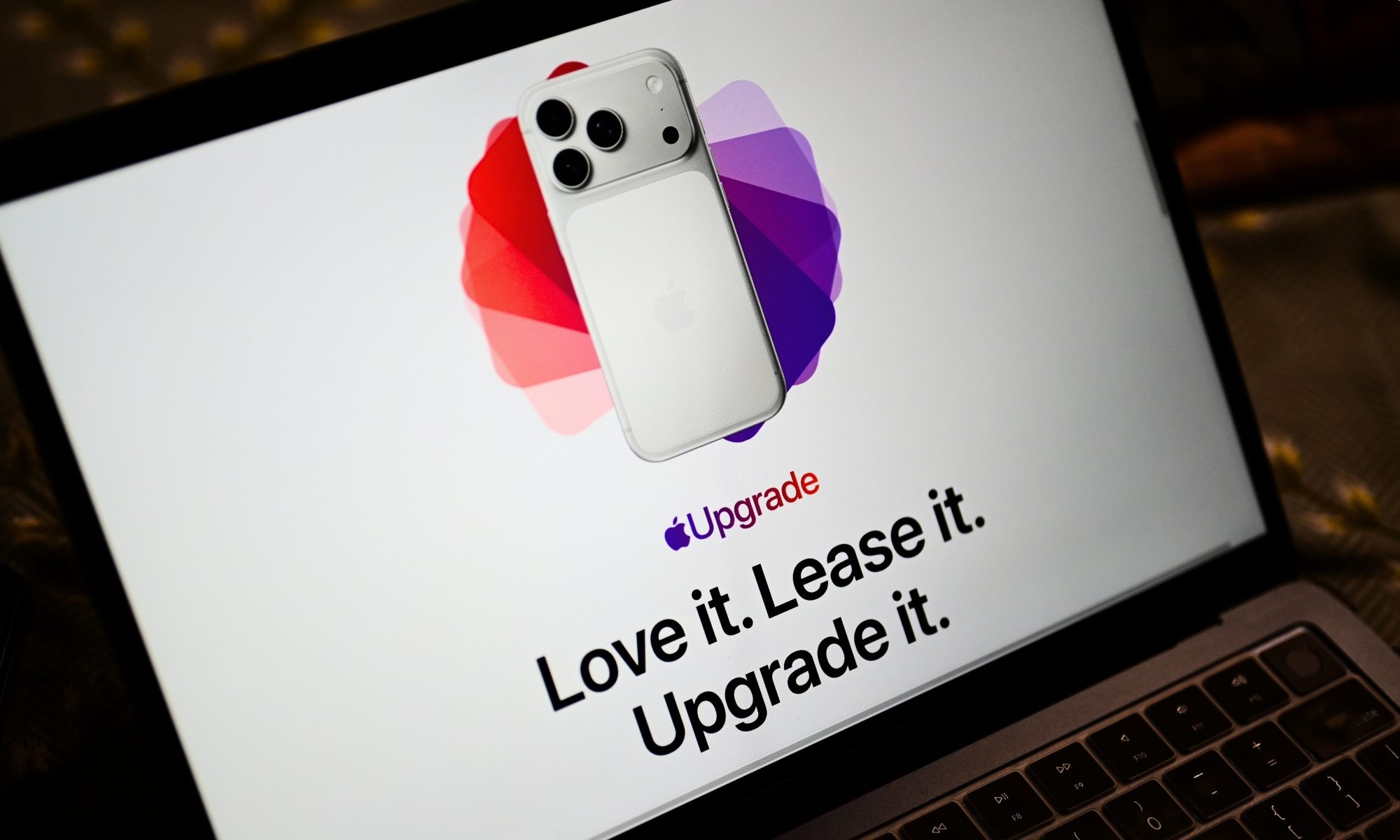
Apple recently announced its new Apple Upgrade leasing plan, which lets customers pay monthly for an iPhone, iPad, Mac, or Apple Watch through Klarna. The program replaces the long-running iPhone Upgrade Program and expands the option beyond phones for the first time.

However, code discovered by 9to5Mac in an iOS 27 beta raised concerns about what could happen if someone fell behind on payments. The new App Managed Features system appeared capable of checking a customer’s payment status and placing a financed device into Restricted Mode.

Read more
Nothing’s first proper smartwatch could be the wrist candy Android needs
Nothing wants to put some personality back on your wrist
Wristwatch, Arm, Body Part

Just like how smartphones have settled into a familiar routine, smartwatches have also become quite predictable. But Nothing might be planning on shaking things up for wearables. A tipster claims the company is preparing its first smartwatch under the main Nothing brand. The unnamed wearable will reportedly launch in September, cost less than $300 in the US, and initially reach a limited number of markets.

Its design is also said to carry the “typical Nothing DNA” that has helped the company’s phones and audio gear stand apart. Right after this, Nothing co-founder Akis Evangelidis joined the conversation with a separate, cryptic post. It adds some company-side smoke to the leak, although Nothing has yet to announce the watch or reveal any hardware details formally.

Read more
Google could soon let you unlock your Pixel Watch with your phone
An in-development feature could flip the current Watch Unlock feature, letting an authenticated phone unlock the watch automatically.
Google Pixel Watch 4 in black in the hand

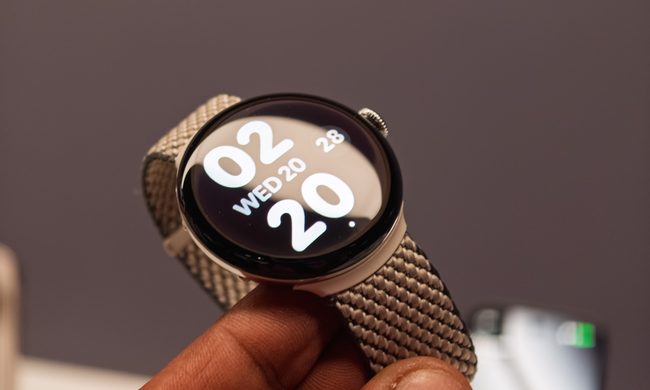
If you've set up a PIN on your Pixel Watch, you already know the prompt that shows up every time you slip it back on your wrist. It's a useful security measure, but entering a PIN on that small screen multiple times a day gets old fast. A new report suggests Google may be working on a way to let you skip it.

Watch Unlock in reverse

Read more