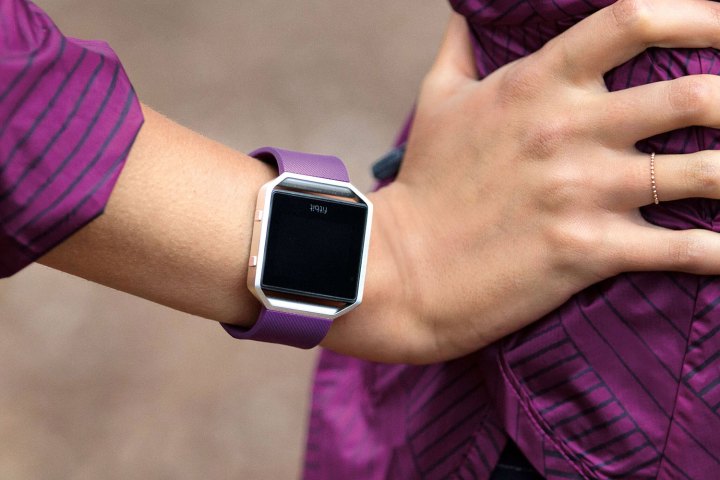
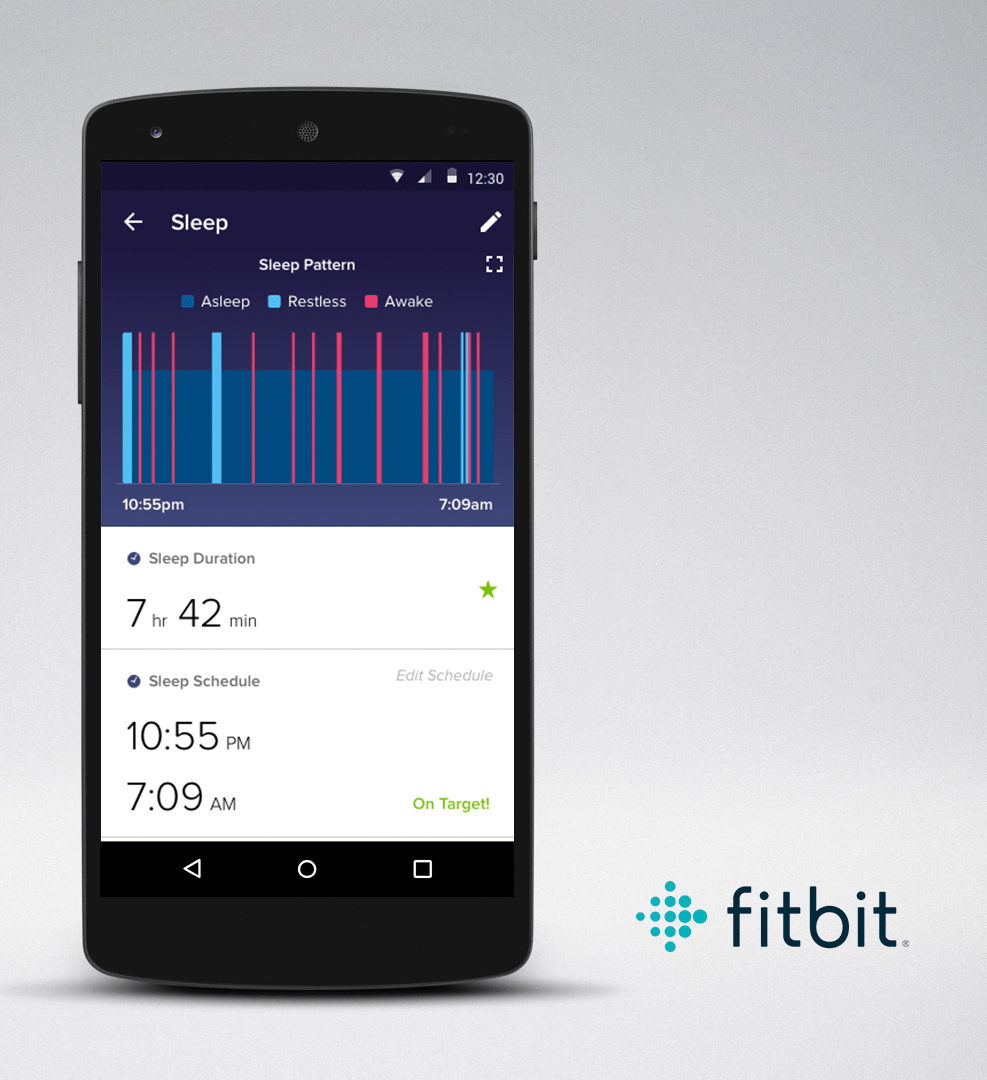
With your Fitbit, you’ll now be able to set a sleep goal — the app offers personalized recommendations, or you can set your own number of hours of sleep each night. The fitness band will also offer wake-up and bedtime targets, which sounds like alarms, but the company says the Fitbit app will provide reminders to get you the “right amount of sleep” of between 7 to 9 hours.
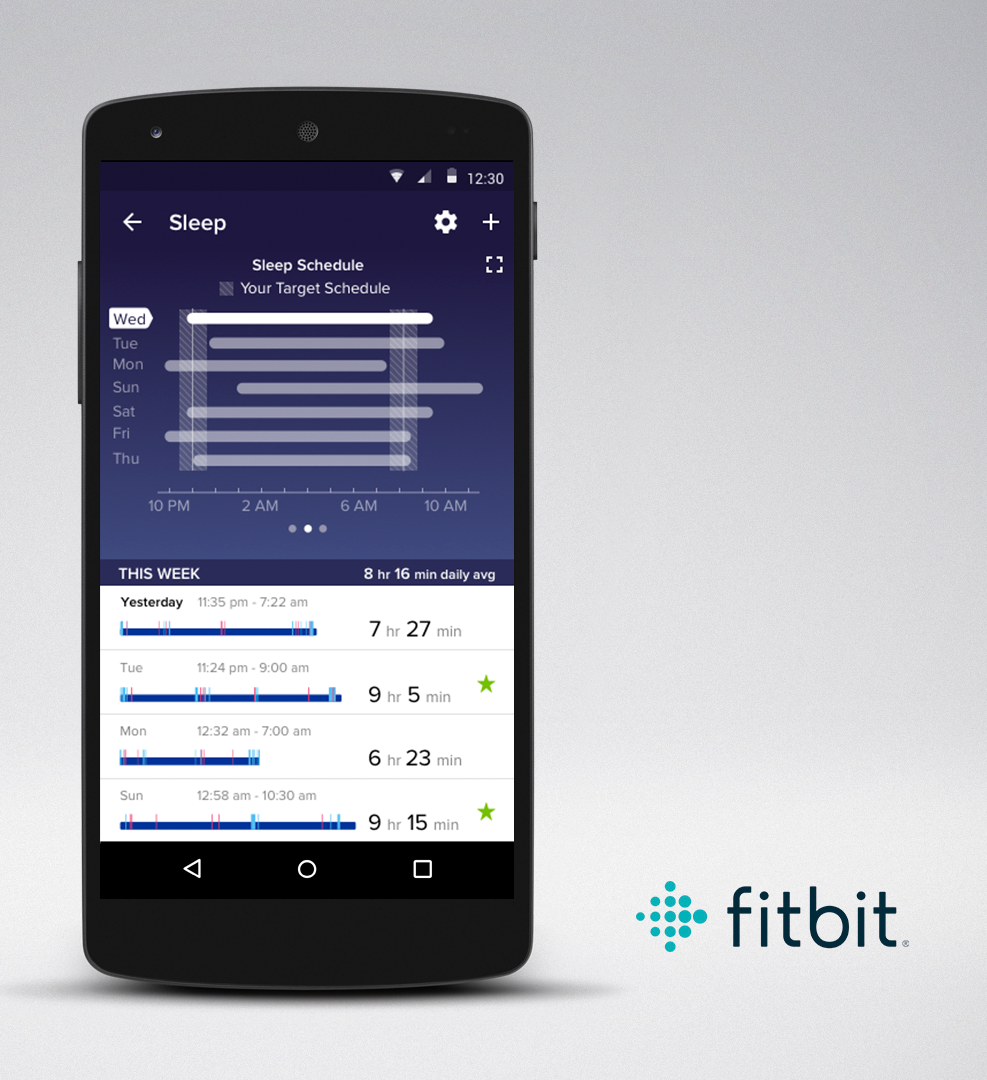
These bedtime targets and wake-up reminders can come through push notifications on your smartphone, or you can set a silent wake alarm on your fitness band. There’s a handy Sleep Schedule History Chart in the app that lets you check whether or not you’re hitting your sleep goals, and if you need to make adjustments in order to do so.
More sleep tools are on the way, as Fitbit says the Sleep Schedule is just the “first in a series.” But instead of just releasing a few basic sleep-tracking features, the company also released sleep data from more than 10 million people, and it’s full of interesting tidbits like how “baby boomers who were more active slept 9 minutes more per week; overweight users got 70 minutes less sleep per week than average; Gen Xers who were more active slept 21 minutes more per week; and women slept 25 minutes longer than men each night, on average.”
Fitbit’s data says that people who sleep 7 to 9 hours on average compared to people who sleep 3 to 4 hours on average have a lower Body Mass Index, a more consistent bedtime, and have an earlier bedtime. Based on the 10 million people’s recorded data, millennials sleep an average of 7 hours and 17 minutes, and their average bedtime is 11:52 p.m. College kids’ average bedtime is 12:22 a.m., and they sleep a little longer for 7 hours and 26 minutes — though they have the longest period of restlessness or average time awake prior to falling asleep (28 minutes).
Fitbit says the new feature was made with the assistance of a panel of sleep experts, and the new sleep functions are available to all Fitbit devices.
Editors' Recommendations
- 8 features I want on the Fitbit Sense 3 (if there is one)
- Here’s why scientists really want you to clean your smartwatch
- Fitbit Sleep Profiles is just what I needed to start sleeping better
- Fitbit cleared to launch new feature that could save lives
- Which Fitbit should you buy on Prime Day?