1. Home
  2. Wearables
  3. News

LG’s new battery-operated mask is a wearable air purifier

Add as a preferred source on Google

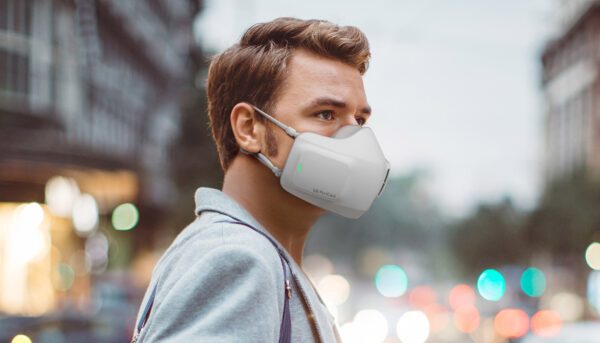
LG has introduced an air purifier mask called the PuriCare Wearable Air Purifier, and unlike the masks you’re probably used to wearing, this one is battery-powered.

The mask contains two H13 HEPA filters, which LG says are similar to the filters used in its home air purifier products like the PuriCare smart air purifier. The PuriCare Wearable Air Purifier also has dual motorized fans and a patented respiratory sensor that detects how the user is breathing and adjusts accordingly.

Recommended Videos

And since a 820mAh battery operates it, it can last up to eight hours in low mode and two hours on high mode. 
LG

“The PuriCare Wearable Air Purifier is an exciting addition to our growing lineup of products designed to deliver meaningful health and hygiene benefits,” said Dan Song, president of LG Electronics Home Appliance & Air Solution Company, in a statement. “At a time when consumers are seeking ways to make life safer and more convenient, it’s important that we’re able to offer solutions that add measurable value.”

The PuriCare Wearable Air Purifier can also clean itself with UV-LED lights, so you don’t have to clean it after each use. 

While filled with impressive technology, the mask itself looks pretty bulky and heavy in LG’s sample photos. An LG spokesperson told Digital Trends the mask weighs 130 grams. The spokesperson also said the mask will be available to purchase at the end of this year in select markets, and that prices will vary by country.

While the PuriCare Wearable Air Purifier helps to filter the air you breathe in, it’s important to note that the Centers for Disease Control and Prevention does not recommend “masks with one-way valves or vents” for coronavirus prevention. 

Even before the coronavirus pandemic placed a new importance on face masks to prevent the spread of the disease, purifying air masks like LG’s have been in the works from other companies. For example, Ao Air’s Atmos Faceware mask debuted at CES 2020 as a high-tech way to address poor air quality. The mask includes fans inside that adapt to your breathing and clean air comes from the mask at about 240 liters per minute. 

Allison Matyus
Former Digital Trends Contributor
Allison Matyus is a general news reporter at Digital Trends. She covers any and all tech news, including issues around social…
This smart ring makes a blood pressure promise Apple and Oura still won’t
The $399 Signal Ring provides actual systolic and diastolic readings, but it’s launching as a wellness device without FDA clearance
Oura Ring 4, Galaxy Ring and RingConn Gen 2 in the palm of a hand

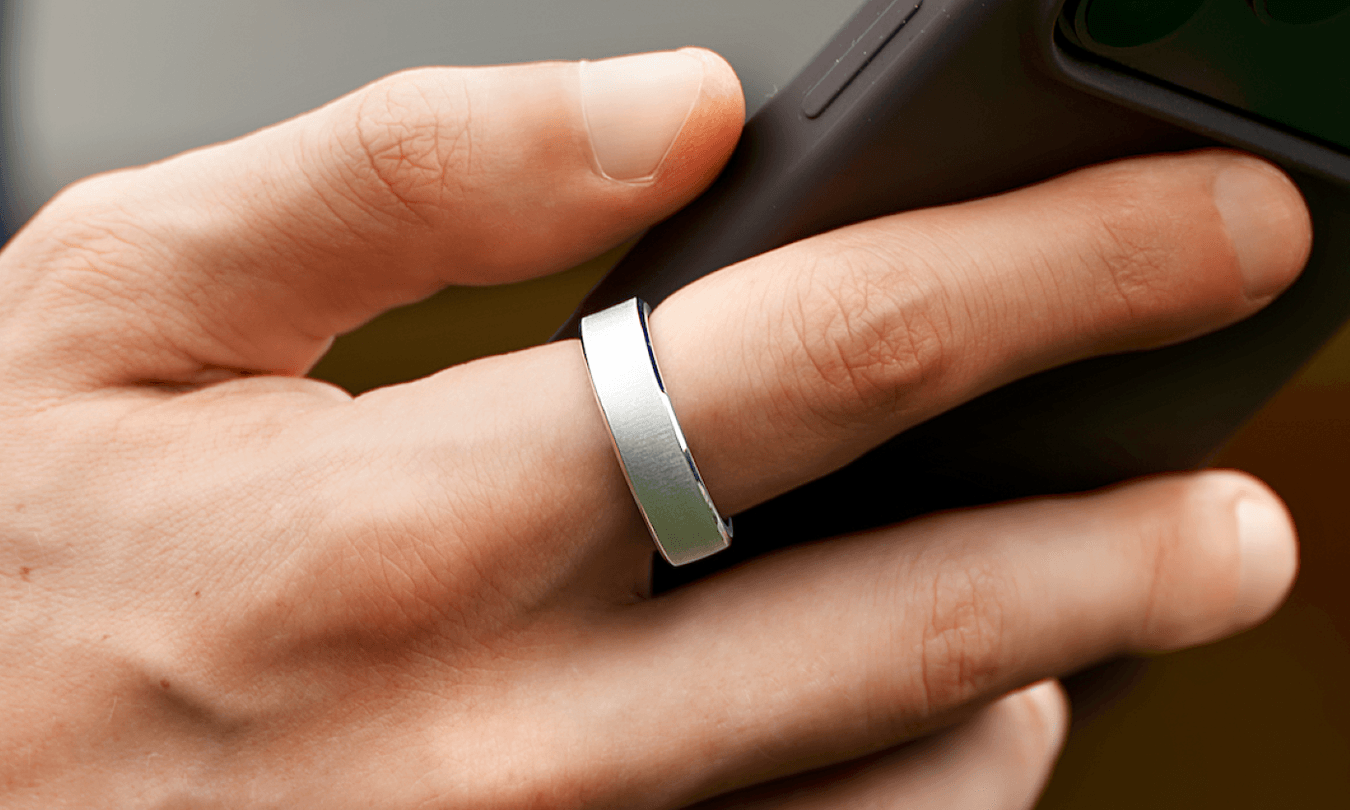
Vital Signals has unveiled a $399 smart ring that goes further than Apple and Oura currently dare. The Signal Ring displays numerical blood pressure readings without requiring an arm cuff for initial or recurring calibration.

Bloomberg reports that preorders open July 16, with shipping scheduled to begin in October. The ring can collect readings during the day and overnight, then display the results through an iOS or Android app.

Read more
HTC’s smart glasses are apparently coming to the US, but HTC hasn’t said so
Amazon briefly listed the VIVE Eagle for a September 1 launch, while HTC still says the $499 glasses are only available in Taiwan
A woman wearing the HTC Vive Eagle smart glasses

HTC’s VIVE Eagle smart glasses could finally be heading to the US. Apparently, Amazon got the memo before HTC was ready to share it.

Notebookcheck spotted six versions available for preorder at $499, each carrying a September 1 release date. Amazon has since pulled the pages, so new orders are closed and anyone who already placed one is left wondering whether it still counts.

Read more
Don’t expect smartwatches and fitness bands with replaceable batteries anytime soon
Turns out even the EU thinks your smartwatch is too small for a battery swap.
Wristwatch, Arm, Body Part

The EU has a habit of pushing tech companies to adopt meaningful changes in their product. It's the reason your iPhone finally has a USB-C port, and it's also why companies now have to offer spare parts and repair support for electronics for several years after launch. So naturally, many of us assumed wearables were next in line for mandatory swappable batteries. Turns out, the EU just went the other way.

So what did the EU announce?

Read more