  1. Home
  2. Wearables
  3. Mobile
  4. Legacy Archives

Samsung’s Gear S smartwatch cuts its smartphone leash, runs free

Add as a preferred source on Google
IFA 2026
This story is part of our coverage of IFA Berlin 2025

After starting the smartwatch arms race by announcing the Galaxy Gear a year ago in Berlin, Samsung today returned to the city with a new version of its flagship wearable: The Gear S. The newest member of the family brings users new features that will distance them further from their smartphone and make the wearable more of a standalone device.

The Gear S is equipped with its own SIM card and is now capable of 3G connectivity, which makes it possible to put to use the wearable without having the phone alongside it. One of the biggest complaints with the original iteration of Galaxy Gear was the requirement to be constantly connected with a paired smartphone. While the Gear S will still have to be paired initially with one of the 20-some Samsung Galaxy products — including the Note 4 and Note Edge — and has to be connected for app updates, the full feature set for the Gear S is available without connection.

Recommended Videos

Related: Samsung’s Galaxy Note 4 and curved Note Edge revealed

To make the Gear S capable of serving as a primary device, a full QWERTY keyboard can be used on the 2-inch display — the effectiveness of which is yet to be seen. “We wanted to replicate as closely as possible the smartphone experience,” Samsung stated, and it placed an added emphasis on user interface with the new wearable. Running on Samsung’s own Tizen OS, improved navigation puts notifications, widgets, and apps all within a single swipe of the home screen. Bluetooth and Wi-Fi connectivity make notifications and messages easier to send and receive. The Gear S also features a built-in engine for S Voice, so all voice processing is done on-device rather than connecting to a server.

The display on the Gear S also received some improvements. Now on the curved AMOLED screen, users will be able to choose a variety of clock faces to match their style and preferences. Pertinent information and notifications are shown directly on the watch face and appeared integrated into the design so as to not look entirely out of place.

Samsung put an emphasis on the fitness capabilities of the Gear S with its S Health workout suite. The application provides the wearer of the smartwatch with real-time information about their health and workout performance. A built-in pedometer tracks steps and has been optimized for difference exercises, so it can differentiate between a run and a bike ride. Sensors built in to the Gear S track a variety of information and provide suggestions — for example, which SPF sunscreen to wear before running in the sun. GPS location tracking will mark out the path of runs and rides without requiring a smartphone in hand.

On top of the changeable watch faces, Samsung also noted that a variety of straps will be available for the Gear S, including ones created by the company’s new partner Swarovski.

AJ Dellinger
AJ Dellinger is a freelance reporter from Madison, Wisconsin with an affinity for all things tech. He has been published by…
Qualcomm is set to ratchet up chip prices in September, and your next gadget upgrade could bear the brunt
The price hike could touch every Snapdragon-powered device category.
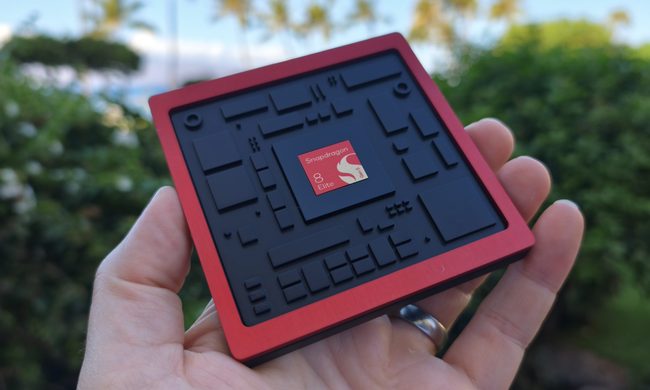
The new Qualcomm Snadragon 8 Elite Gen 5

I want you to sit with this for a second. Qualcomm, the company whose Snapdragon chips sit inside your Android phone and tablet, your Windows laptop, your Meta smart glasses, your Galaxy Watch, and your wireless earbuds, reportedly sent a letter to every major customer telling them prices are going up by double digits. 

The price hike will be in effect from September 1, 2026, a recent Bloomberg report claims. Essentially, all the companies placing their chip orders after that will pay a higher price. 

Read more
Slacked off all summer? Here are 3 fitness trackers that’ll help you stay accountable as you head back to school
Three trackers, three price points, three totally different approaches to keeping you honest about your own goals.
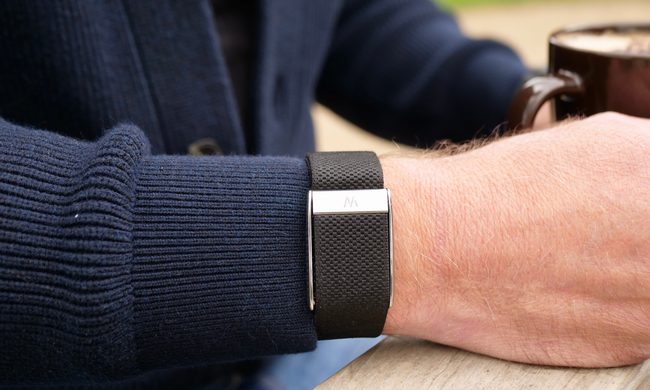
A person wearing the Whoop 5.0.

Summer break did what it usually does. Your sleep schedule drifted, workouts happened less often than you'd hoped, and by the time August rolled around, you were feeling it. You've got a plan to get back on track once the school year starts and your days have more structure, but you know how that usually goes. The first two weeks are solid, then the routine quietly slips.

A fitness tracker won't get you off your couch. What it will do is put a number in front of you every day, one that makes it obvious whether you stuck to your goal or slacked off. That small bit of visibility is often the difference between meaning to work out and actually doing it. Back-to-school season is a good time to buy in, since you're already resetting more than one part of your routine, and the overlap makes the habit more likely to stick. To keep the odds in your favor, here are three fitness trackers that can help you stay accountable and actually hit your goals.

Read more
Galaxy Watch 9 vs. Watch Series 11: Has Apple finally met its smartwatch match?
From AI-powered health coaching to outdoor fitness tracking, here's how Samsung's Galaxy Watch 9 stacks up against Apple's Watch Series 11.
Wristwatch, Arm, Body Part

These days, the real battleground between smartwatches is who can turn a wrist-worn, sensor-loaded device into something that resembles a personal fitness trainer, and this year's crop of flagship wearables takes that fight more seriously than ever. 

Samsung just refreshed its mainstream Galaxy Watch line with a new silicon and a batch of clinically-backed health tools, landing squarely on Apple's home turf of preventive wellness tracking. Apple, for its part, has spent the better part of a year letting its Series 11 sit as the reigning pick for anyone inside its ecosystem, propped up by a software catalog few rivals match feature-for-feature. 

Read more