We’re quickly nearing the end of what was a (mostly) incredible year for Google’s Pixel devices. From excellent flagship phones, a great first folding phone, and a vastly improved smartwatch, Google did a lot right with the Pixel brand in 2023.
With 2024 right around the corner, I’ve been thinking about what I want from Google Pixel in the new year. Should Google play it safe? Make drastic changes? Create new products? Maybe kill some less successful ones?
I think it’s a mix of everything, and if Google plays its cards right, 2024 could be an even better one for Pixel fans.
Don’t mess with the Google Pixel 9
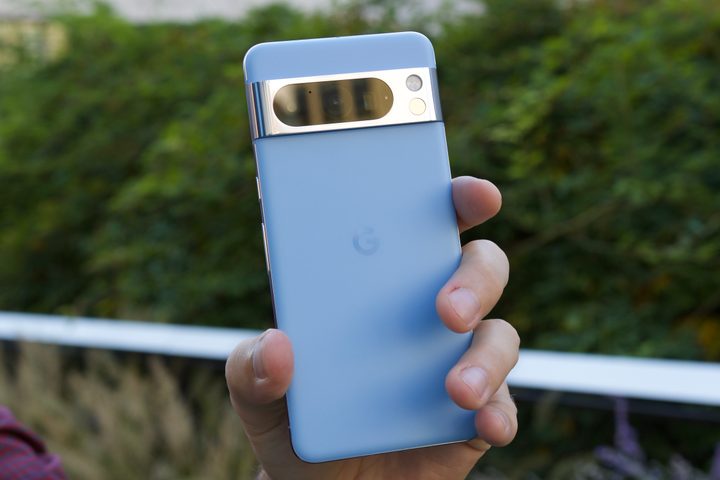
My first request for Google is a simple one: don’t do too much with the Pixel 9 and Pixel 9 Pro.
I’m all for Google innovating with the Pixel series, but I don’t think the Pixel 9 and 9 Pro are the devices that need drastic changes next year. Why? The Google Pixel 8 and Pixel 8 Pro are already two of the best phones you can buy today. Sure, there are upgrades I hope Google makes, but the foundation we have right now is as close to perfect as Google has ever gotten.
There are subtle changes I’d love to see next year. I hope the regular Pixel 9 gets a higher-quality ultrawide camera, as the one on the Pixel 8 is showing its age. Similarly, I’d love to see the Pixel 9 Pro get a more powerful telephoto camera — possibly with a 10x optical zoom range. Google should also use the Pixel 9 series to increase its charging speed and improve battery life to match competing Android phones.
These are my only complaints with the current Pixel 8 family, and they shouldn’t be difficult issues to address with the Pixel 9. If Google fixes these things and keeps everything else that works so well, the Pixel 9 and Pixel 9 Pro are all but guaranteed recipes for success.
Tensor G4 needs to be the real deal
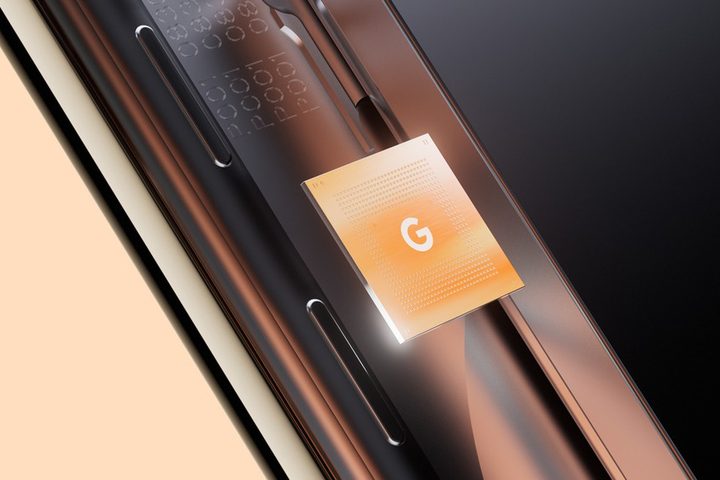
The Google Pixel 9 series will presumably be powered by Google’s next-generation Tensor chip — likely called “Tensor G4.” Tensor G3 did a good job of addressing overheating and performance issues of previous Tensor chips, but it’s still noticeably behind competing chips from Qualcomm and MediaTek.
Google is still in the early days of creating in-house silicon, so it’s perhaps naive to think that the Tensor G4 will go toe-to-toe with the Snapdragon 8 Gen 3 and Dimensity 9300. I’m fine with another year of performance differences and lower benchmark scores, but Google has to make its Tensor G4 chip as polished as can be. Eradicate the overheating issues for good, improve the power efficiency so two-day battery life can become a reality, and completely thwart the ongoing cell reception issues that still plague some Pixel users.
Google’s Tensor chips are the reason Pixel phones have so many of the impressive AI features that just aren’t possible on other Android phones. But they also consistently drop the ball in other departments, and that’s not something Google can afford in 2024.
Give the Pixel Watch 3 a big refresh
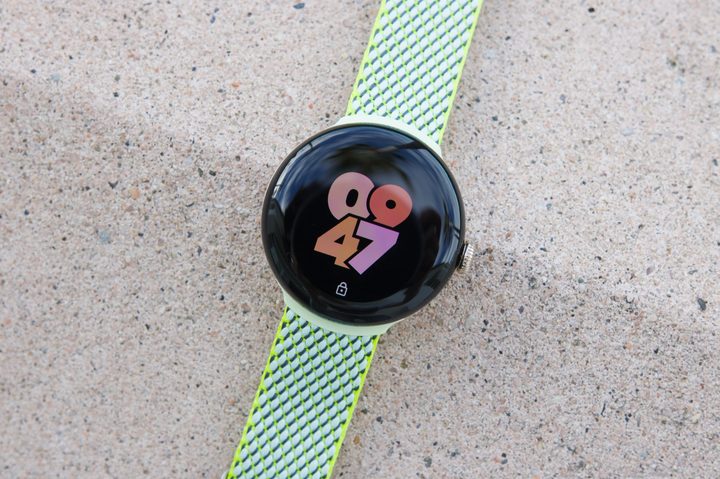
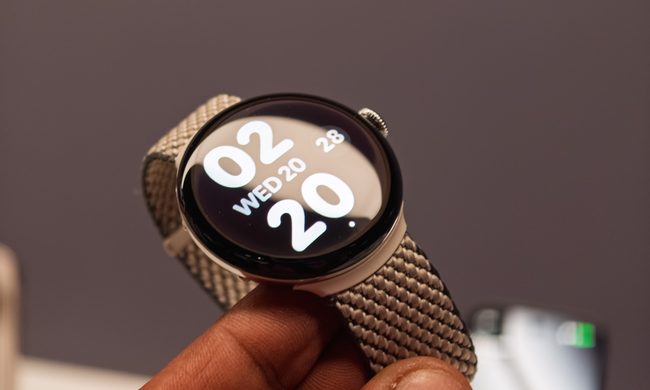
The Google Pixel Watch 2 was a big surprise. I didn’t think I’d like the Pixel Watch 2 one bit, but as fate would have it, it actually ended up being one of 2023’s best smartwatches. Google listened to (most) our complaints about the first Pixel Watch and addressed them head-on — and the year-over-year improvements are easy to see.
But Google’s work for the Pixel Watch isn’t done. As much as I like the Pixel Watch 2, there are a lot of changes I’d like to see for the inevitable Pixel Watch 3.
The main thing Google needs to address is the Pixel Watch’s size. The 41mm case is great if you have small wrists or prefer compact watches, but watches are very much not one-size-fits-all products. The solution? Make a larger version of the Pixel Watch. Apple does this with the Apple Watch. Samsung does it with the Galaxy Watch. Most smartwatch makers do this. Google is the outlier in this regard, and there’s no reason for it not to fix this in 2024.
Something else that needs fixing is the Pixel Watch’s display bezels. The gargantuan bezels from the first Pixel Watch didn’t shrink at all on the Pixel Watch 2, and while not a deal-breaker, they do severely impact how much you can see on the screen at once. I think the Pixel Watch 2 looks good, but having countless UI elements cut off by large, chunky bezels is the opposite of stylish.
These won’t be easy changes to make, but they’re ones that need to happen for Google’s third-generation smartwatch. They arguably should have happened with the Pixel Watch 2, so Google has its work cut out for it here.
What about the Pixel Tablet 2?
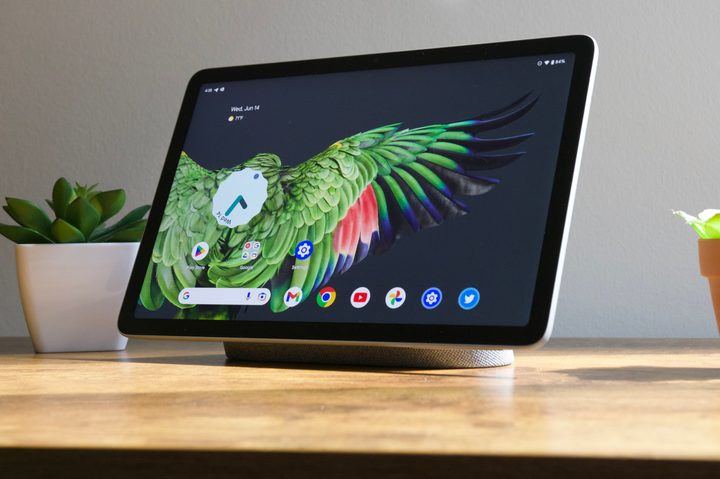
It’s pretty clear-cut what Google needs to do with the Pixel 9 and Pixel Watch 3 in 2024. But what about the Pixel Tablet 2? What about the Pixel Tablet 2, indeed.
There’s a lot wrong with the current Google Pixel Tablet. The 60Hz LCD display doesn’t look particularly great, the speakers are too easy to distort, the Tensor G2 processor heats up quickly, and the charging dock doesn’t always do a good job of holding the tablet in place. And that’s not to mention the myriad of software issues with the tablet. On paper, I love the idea of a tablet and smart display hybrid device. But, at least with the Pixel Tablet, it ends up not being particularly good at either one.
It’s hard to say if we’ll get another Pixel Tablet in 2024. The Pixel Watch has become a yearly release for Google, but Google’s smart home devices are updated far less frequently. If Google does release a Pixel Tablet 2 in 2024, I desperately hope it finds a way to upgrade the hardware specs and fix the ongoing software issues without increasing the already steep $499 asking price. But I also wouldn’t be devastated if Google cooled off on the Pixel Tablet for a year, took some time to regroup, and really thought about whether this is a product line it wants to commit to. I think there’s a world where the Pixel Tablet can succeed, but a rushed successor isn’t the way to go about it.
Make the Google Pixel Flip
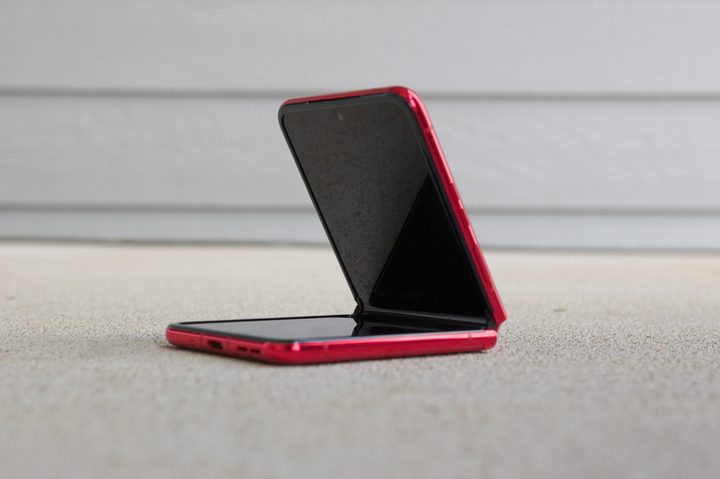
The Google Pixel Fold was a big step for Google. Not only did it provide U.S. shoppers with a proper alternative to the Samsung Galaxy Z Fold, but it also showed techies that — yes — Google still knows how to have fun and innovate in the mobile tech space.
I’m sure Google will continue to refine the Pixel Fold with future generations to come, but I also hope the company finds the time to go in the opposite direction and release a Google Pixel Flip. Flip-phone style foldables had a big year in 2023 thanks to releases like the Galaxy Z Flip 5 and Motorola Razr Plus. Google was compltely absent from the flip-phone conversation, and I’d like to see that change next year.
The Pixel Fold was a strong first foldable from Google, but it could appeal to a totally different demographic with a Pixel Flip. Google would have a foldable option that’s more stylish and affordable, and it’d give U.S. shoppers yet another folding phone to choose from. I may be bias as someone who prefers the flip-phone form factor, but I would love to see what Google could do here.
2024 will be an interesting one for Google
Whether these requests come true or not, it’s safe to say that 2024 will be an interesting one for the Google Pixel brand. 2023 was a much stronger year than 2022 for Google in more ways than one, and the company has an opportunity to keep riding that momentum and make 2024 even more noteworthy.
Will that be what actually happens? Will Google find a way to fall on its face instead? It’s impossible to say for certain. Whatever happens, I’ll eagerly be waiting with a front row seat to see what goes down.