1. Home
  2. Cars
  3. News

Cruise is running an autonomous ridesharing service for its employees

Add as a preferred source on Google

General Motors’ Cruise Automation subsidiary is running an autonomous ridesharing service in San Francisco, but you have to be a Cruise employee to use it.

Called Cruise Anywhere, the service allows Cruise employees to hail an autonomous Chevrolet Bolt EV with a smartphone app, and go anywhere they want in San Francisco, seven days a week. The service is still in the beta development stage, hence the employee-only restriction. But some Cruise employees are already using it as their primary form of transportation, according to TechCrunch.

Recommended Videos

Cruise says about 10 percent of its San Francisco-based employees are using the service, and claims there is a waitlist. Self-driving cars are available between 16 and 24 hours a day, depending on fleet scheduling, and can traverse virtually all of San Francisco. Cruise claims one employee has taken more than 60 rides over roughly the past three weeks. Humans have had to take over driving on a handful of occasions, but the majority of mileage has been covered autonomously, according to Cruise.

The company previously revealed that it uses an app as part of its San Francisco autonomous-car testing program, but it wants to develop that app into a full-fledged ridesharing service. Cruise believes that will help make it easier to commercialize its autonomous-driving tech. Most companies believe the future of ridesharing is autonomous, because of the potential for greater revenues from driverless vehicles that can stay on the road longer.

Cruise faces lots of potential competition. Boston-based startup NuTonomy is running a pilot autonomous taxi service in Singapore, and will provide autonomous rides to Lyft customers in Boston later this year. Lyft itself just launched a self-driving car development program, and also has a relationship with Waymo. Uber also gives autonomous rides to customers in Pittsburgh, San Francisco, and Arizona.

We’re still far from the day when hailing a fully autonomous car is an everyday occurrence, but there may already be too many players competing for the same customers. While Cruise’s beta ridesharing service is a major step, it also faces an even bigger obstacle: getting people who don’t already work for the company to trust self-driving cars.

Stephen Edelstein
Stephen is a freelance automotive journalist covering all things cars. He likes anything with four wheels, from classic cars…
EVgo is bringing Tesla V4 Superchargers to its US charging network
EVgo and Tesla team up to bring 500kW charging to US cities.
evgo-tesla-partnership-v4-supercharger

Finding a fast charger for your electric vehicle could soon get a little easier. EVgo announced it will start installing hundreds of Tesla V4 Superchargers across major US cities, built under a license through Tesla's Supercharger for Business program.

This makes EVgo one of the first US networks to build Tesla's own charger design onto its stations, following a broader expansion that began with a $1.25 billion federal loan to add 7,500 new charging stalls nationwide.

Read more
Europe is reaping the benefits of an open market with a terrific $22K EV, while the US market stays boring 
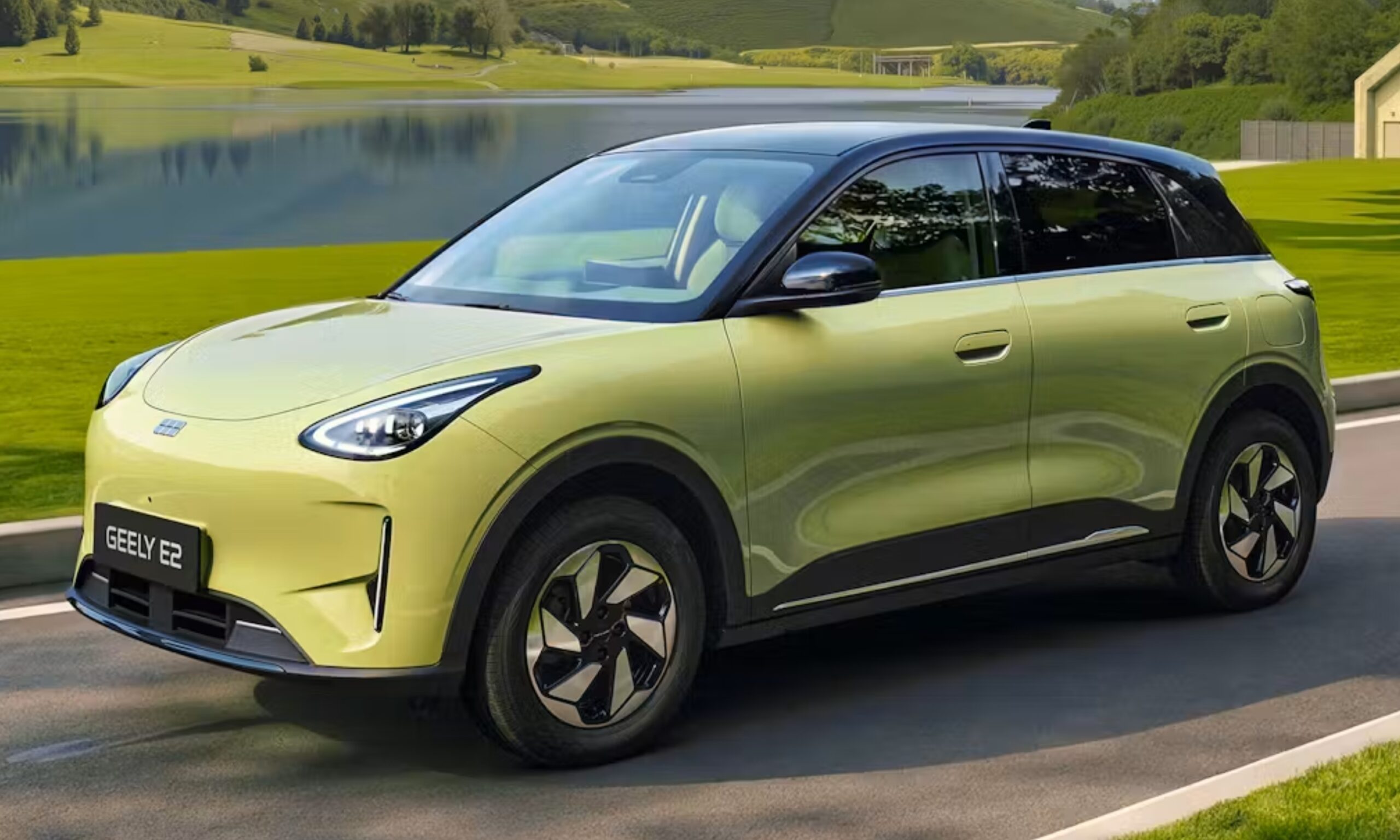
The new Geely E2 undercuts many rivals while highlighting China's affordable EV momentum.
Transportation, Vehicle, Car

This is not the first time I’ve watched European or Chinese car shoppers, for that matter, get a chance to buy genuinely affordable EVs. Meanwhile, American buyers keep hearing and talking about higher starting prices and fewer features on the entry-level trim. 

Geely’s new compact electric hatchback costs 19,490 EUR in Belgium, or roughly $22,490, and is yet another example of the same. While the entry price is only available for a limited time, I'm talking about the overall package the automaker is offering. 

Read more
Google Assistant finally has a shutdown date, and it’s only weeks away
Google Assistant starts shutting down September 4 as Gemini takes over.
google assistant mobile.

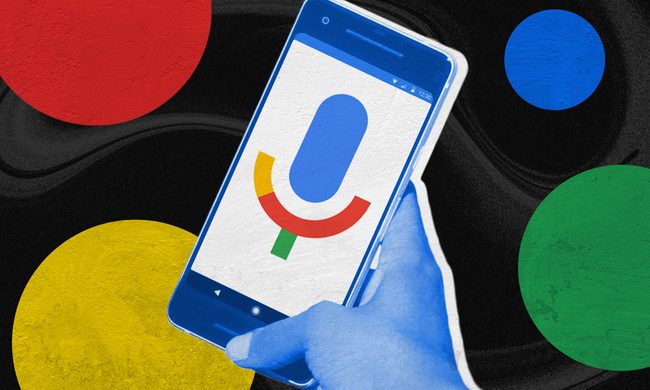
Google Assistant’s long goodbye now has a firm date. Google says it will begin discontinuing the voice assistant on eligible mobile devices on September 4, 2026, according to an email sent to users and shared publicly on Reddit.

The transition may take several weeks, so Assistant won’t vanish from every device at once. Once the change reaches an eligible Android device, Gemini will replace Assistant with no option to switch back.

Read more