1. Home
  2. Cars
  3. News

If Uber and Lyft switch to self-driving cars, what about the drivers?

Add as a preferred source on Google

Uber and Lyft have tens of thousands of drivers in the U.S. alone. The two ridesharing companies have each been in the news recently for their investments in and work with automaker partners in developing self-driving technology. The focus on autonomous vehicles begs the question, “What about the drivers?” as reported by Silicon Beat.

Lyft and its investor partner General Motors are testing self-driving technology with specially equipped 2017 Chevy Bolts in San Francisco and Scottsdale, Arizona.

Recommended Videos

Uber was in the news in connection with vehicle autonomy twice last week when it bought Otto, the self-driving truck technology company. Uber wanted its technology, not the trucks. Otto’s founders came from Google’s Self-Driving Car Project and other big-name tech firms.

Uber also sent a wake-up call to both the ridesharing and autonomous vehicle industries with its announcement last week that it will soon start offering free trips to Uber riders in autonomous technology-laden Volvos — with two engineers in the front to supervise the car’s self-driving and to monitor the data.

So what about all the drivers for the two companies, is their “independent contractor” status in jeopardy? There’s a two-part answer, according to Uber CEO Travis Kalanick.

In the short term, there’s no change in the current opportunities for rideshare drivers. There are still years of technical, logistic, and regulatory hurdles to cross before rideshare robot cars appear with no human at the wheel. “The first part is that the timescale is pretty long,” Kalanick said.

Looking out further, perhaps as much as ten years, even when self-driving cars are fully functional, legal, and accepted by the general public, there will still be jobs for drivers. Self-driving cars will most likely be clustered in cities and busy areas, but not widespread.

Even with the potential greater profit margin that could come from eliminating drivers, owning and operating vehicles will have significant costs. Major city streets and thoroughfares and airport to hotel shuttle routes are likely the best applications of driverless vehicles. Heading out to the ‘burbs or winding around major cities in lesser traveled areas should still provide plenty of work for rideshare drivers.

Kalanick said, “There are just places that autonomous cars are just not going to be able to go or conditions they’re not going to be able to handle.”

Bruce Brown
Bruce Brown Contributing Editor   As a Contributing Editor to the Auto teams at Digital Trends and TheManual.com, Bruce…
Europe is reaping the benefits of an open market with a terrific $22K EV, while the US market stays boring 
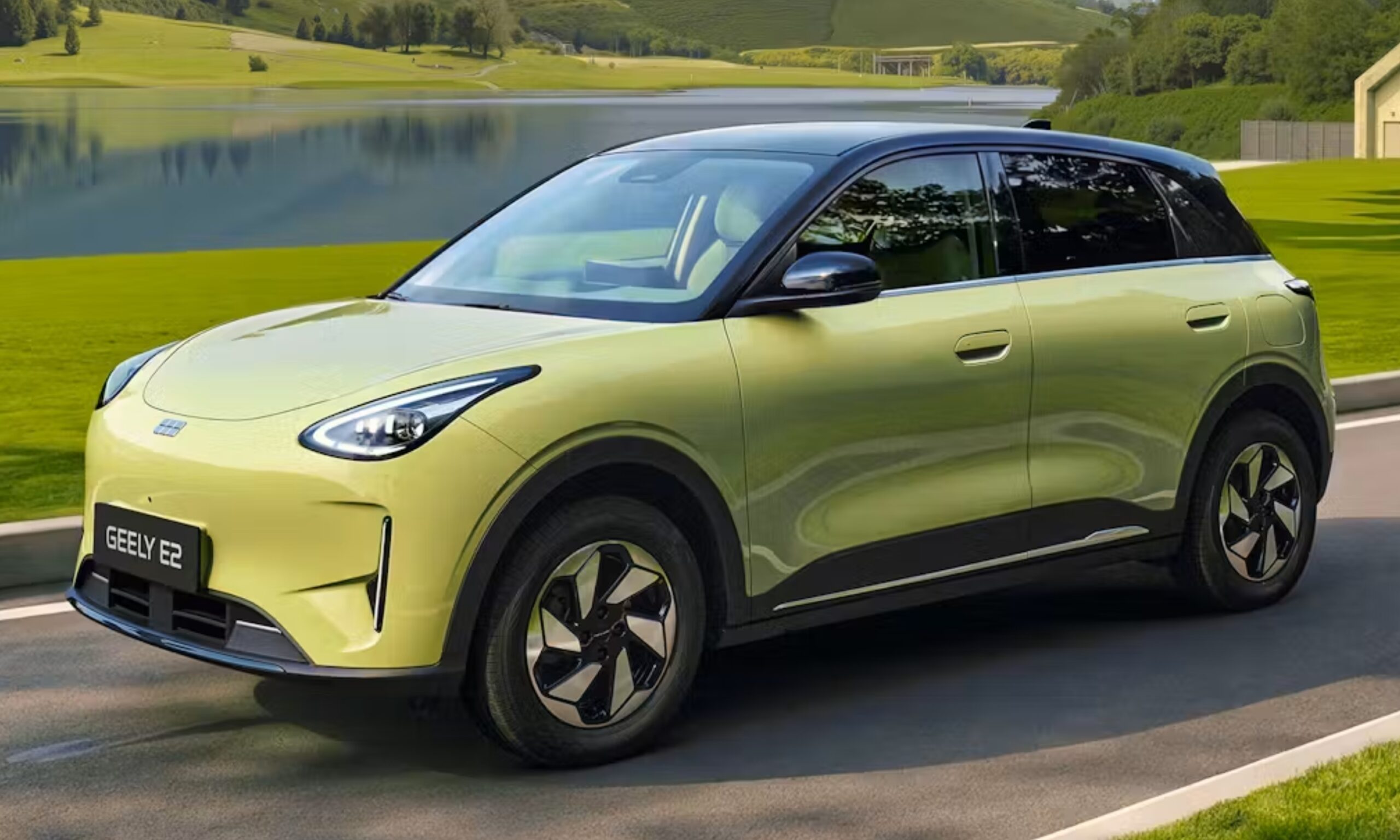
The new Geely E2 undercuts many rivals while highlighting China's affordable EV momentum.
Transportation, Vehicle, Car

This is not the first time I’ve watched European or Chinese car shoppers, for that matter, get a chance to buy genuinely affordable EVs. Meanwhile, American buyers keep hearing and talking about higher starting prices and fewer features on the entry-level trim. 

Geely’s new compact electric hatchback costs 19,490 EUR in Belgium, or roughly $22,490, and is yet another example of the same. While the entry price is only available for a limited time, I'm talking about the overall package the automaker is offering. 

Read more
Google Assistant finally has a shutdown date, and it’s only weeks away
Google Assistant starts shutting down September 4 as Gemini takes over.
google assistant mobile.

Google Assistant’s long goodbye now has a firm date. Google says it will begin discontinuing the voice assistant on eligible mobile devices on September 4, 2026, according to an email sent to users and shared publicly on Reddit.

The transition may take several weeks, so Assistant won’t vanish from every device at once. Once the change reaches an eligible Android device, Gemini will replace Assistant with no option to switch back.

Read more
Your next boat could finally feel like your car, thanks to this major navigation upgrade
Boat

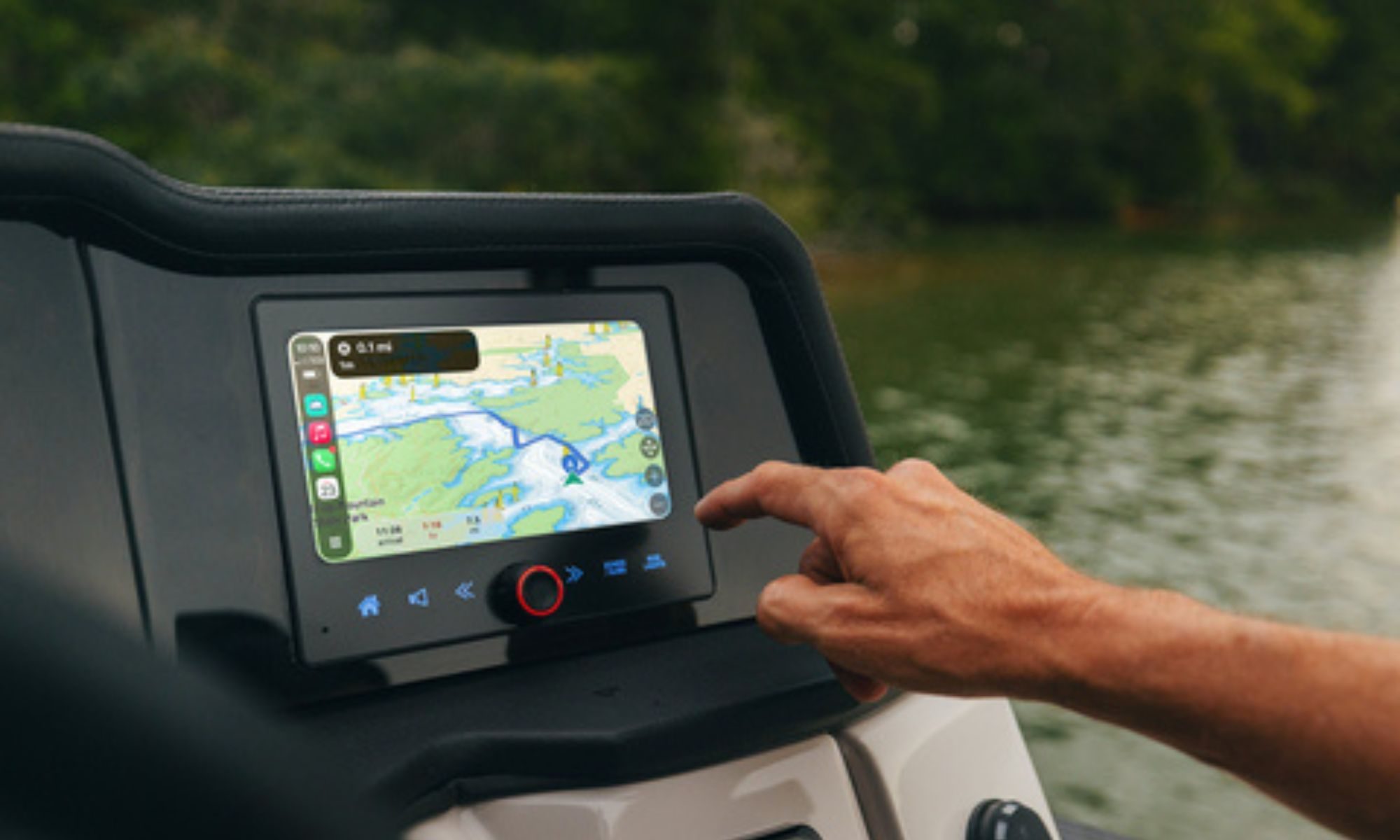
If you've ever relied on a dedicated marine GPS, you'll know it often feels like stepping back in time. Clunky menus, confusing charts, and awkward route planning have long been part of the boating experience. That's finally starting to change.

As per a report by BusinessWire, Crest and Balise, the two pontoon brands under MasterCraft Boat Holdings, have announced a partnership with marine navigation app Savvy Navvy to bring a far more familiar experience to the helm. Beginning with select 2027 models, owners will be able to use Apple CarPlay and Android Auto to access Savvy Navvy directly from their boat's display. Instead of juggling separate navigation hardware or switching back and forth between your phone and dashboard, boaters will be able to access maps, routes, and trip information from the same infotainment screen they already use.

Read more